
Peptides for regeneration
The peptides for regeneration category includes peptide formulas that are investigated in scientific studies in connection with the processes of tissue adaptation, cellular regulation and the body's response after physical exertion. In the scientific literature, such peptides are often analysed in connection with mechanisms involved in the regeneration of various tissues and the body's adaptation to training stress.
In research models, scientists examine how different peptide structures interact with cellular signalling systems and biological processes involved in the regulation of tissue mechanisms. These studies allow a deeper understanding of the complex interactions between cellular systems and physiological factors.
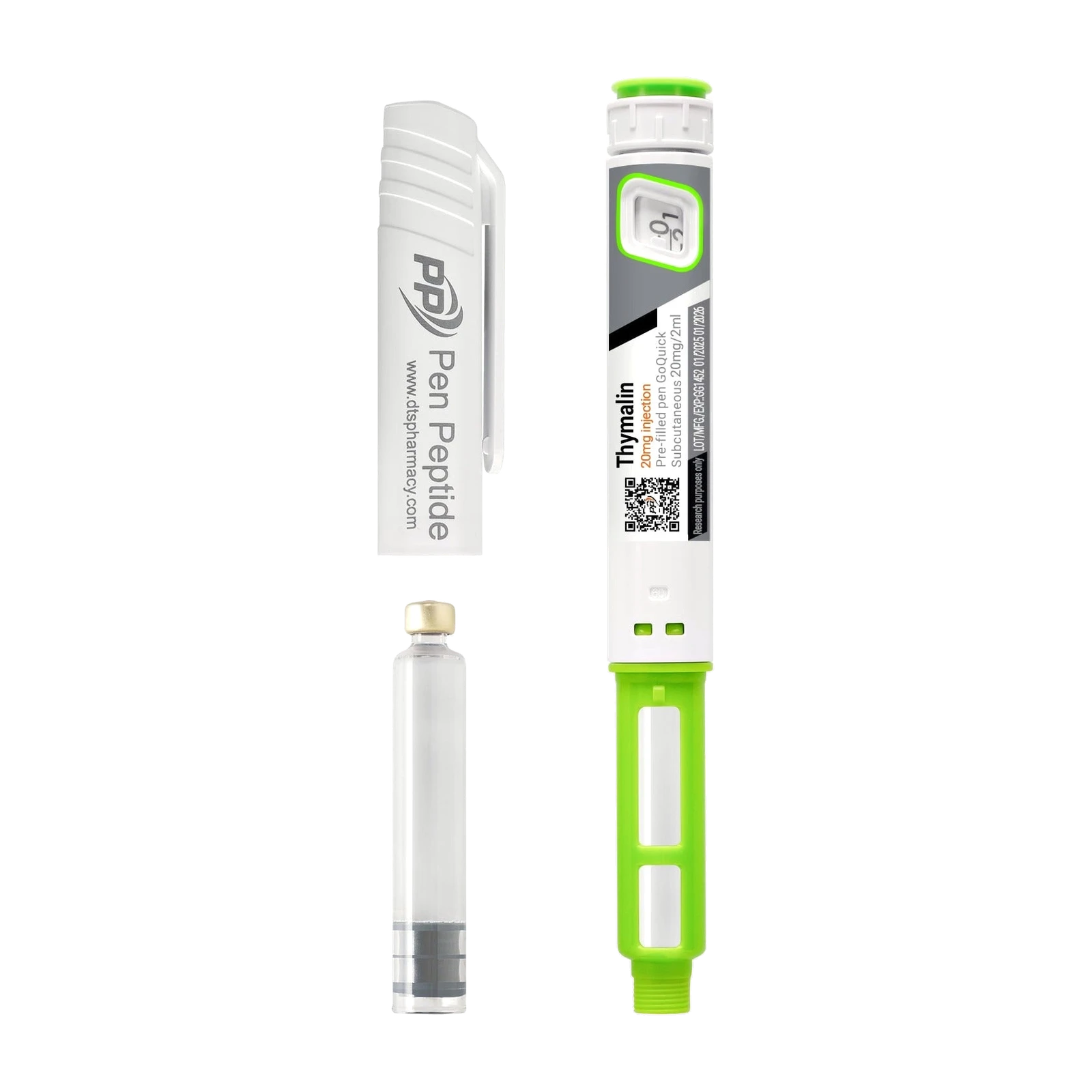
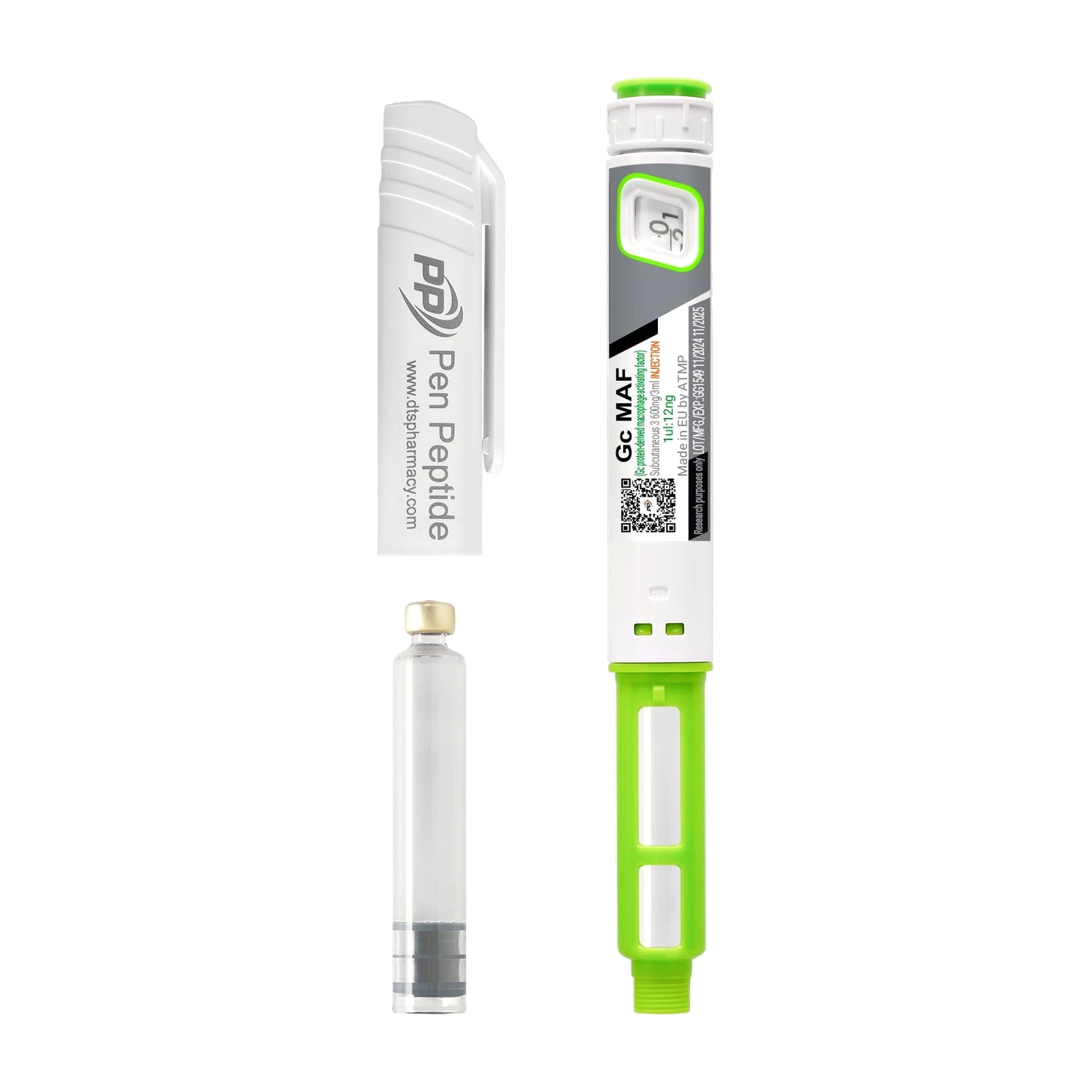
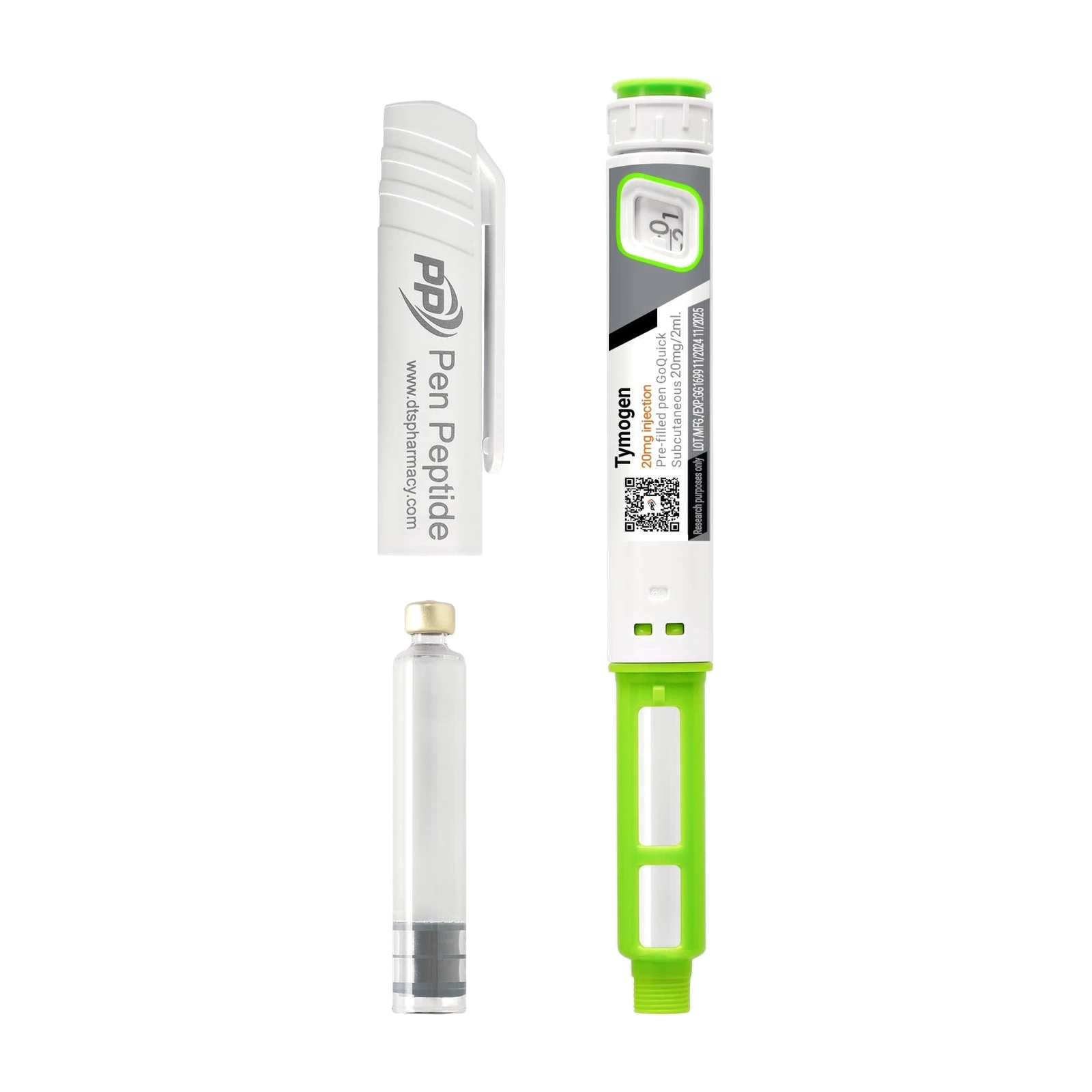
In the Pen Peptide online shop, you will find peptides for regeneration in pen format, distinguished by a clearly stated concentration, transparent information on the properties of the formula and high standards of laboratory testing.
How are peptides for regeneration studied?
Peptides associated with regeneration processes are investigated in scientific studies that analyse various cellular mechanisms and biological processes. In laboratory settings, scientists use a range of biochemical and molecular methods to analyse how peptide molecules interact with cellular systems.
The main areas of this research include:
-
Cell communication – researchers analyse how peptide molecules interact with cell receptors and signalling systems involved in the regulation of various biological processes.
-
Tissue adaptation – scientific models examine processes associated with the adaptation of various tissues to physical exertion and physiological stress.
-
Metabolic regulation – part of the research analyses the interaction between peptide molecules and metabolic processes in cells.
-
Cellular regeneration mechanisms – scientists study how various biological systems are involved in the body's regeneration and adaptation processes.
The most popular peptides for regeneration
Scientific studies cover a variety of peptide formulas that are investigated in connection with cellular regulation, tissue adaptation and the body's regenerative mechanisms. Thanks to their specific amino acid structure, these peptides are used as tools for analysing various biological processes.
Peptides associated with connective tissue
Scientific models frequently consider peptide structures associated with the processes of cell communication and the adaptation of connective tissue. Such studies analyse mechanisms involved in the regulation of tissue processes after physical exertion.
Frequently mentioned peptides include:
These molecules are considered in various scientific models that analyse the interactions between peptide structures and cellular mechanisms.
Peptides associated with immune regulation
Some peptide molecules are studied in connection with mechanisms of cell communication in the immune system. In the scientific literature, they are analysed as tools for investigating processes involved in immune regulation and cell communication.
Examples of such peptides include:
These peptides are studied in scientific models that analyse the interaction between different cellular systems.
Peptides associated with cellular regulation
There are also peptide structures that are analysed in connection with broader mechanisms of cellular regulation and adaptation. In laboratory studies, scientists examine how these molecules interact with various biological systems.
Examples of such formulas include:
These formulas are investigated in studies related to various cellular mechanisms and adaptation processes.
How do peptides for regeneration work?
In scientific studies, peptides for regeneration are regarded as molecules that interact with various cellular mechanisms and signalling systems in the body. Thanks to their specific amino acid structure, they can bind to certain cell receptors and be involved in the regulation of various biological processes.
In research models, scientists analyse several main mechanisms through which peptide molecules interact with cellular systems:
-
Cell communication – peptides can interact with receptors on the cell surface, which makes it possible to analyse various signalling pathways and biological processes.
-
Regulation of cellular processes – laboratory studies examine how certain peptide structures are involved in the regulation of various cellular mechanisms.
-
Tissue adaptation – some peptide molecules are considered in connection with the adaptation of various tissues to physiological stress.
-
Cell communication – peptides may be involved in mechanisms that enable the exchange of signals between cells and the regulation of various biological functions.
Advantages of peptides for regeneration from Pen Peptide
If you are looking for high-quality peptides for regeneration of reliable origin, Pen Peptide offers peptide formulas developed with a focus on product purity, molecular stability and transparent information on the properties of each formula. Our aim is to provide peptide products that meet the high standards of the research environment and allow simple and secure online ordering.
The main advantages of peptides for regeneration from Pen Peptide include:
-
High peptide purity – our formulas are manufactured with a purity of over 98%, which is an important quality indicator and allows a more reliable comparison between products.
-
Laboratory testing and analysis – every product undergoes laboratory tests for purity and stability, ensuring transparency regarding the properties of the formula.
-
MSSPT technology for stabilising the molecular structure – the peptides are developed using Molecule Structure Stabilization Process Technology, which contributes to the stability of the molecules and protects them from oxidation and photodegradation.
-
Practical format – peptides in a pen – the pen format allows more precise dosing, a ready-made formula and easier use.
-
Certified laboratory production – the peptides are manufactured in laboratories that comply with strict quality and production standards.
-
Fast and secure delivery – all orders are shipped in secure packaging with fast delivery to ensure protected transport.
Thanks to these features, Pen Peptide offers peptides for regeneration that combine high production standards, transparent product information and a practical format for use.
Other peptide categories in our online shop
In our online shop, you will find a wide range of peptide categories covering various research areas and biological processes. This allows users to easily compare different peptide formulas in terms of properties, concentrations and production standards.
You can also explore categories such as peptides for weight loss and fat burning, peptides for belly fat, peptides for skin and collagen, peptides for the face, anti-ageing peptides, peptides for tanning, peptides for sleep, stress and the nervous system, peptides for the immune system, peptide bioregulators and regenerative peptides.
7 products
Frequently asked questions
1What are peptides for regeneration?
Peptides for regeneration are short chains of amino acids that act as signalling molecules in the body. Scientific interest in these peptide structures relates mainly to their possible involvement in mechanisms such as stimulating collagen synthesis, supporting cell migration and regulating inflammatory processes.
2What are the opinions on peptides for regeneration?
When users look for opinions on peptides for regeneration, they are usually interested in observations relating to tissue adaptation and the regulation of various cellular mechanisms. Online forums and discussions frequently cover molecules that are studied in connection with regeneration processes and the body's adaptation to physical exertion.
3Are peptides for regeneration safe?
The safety of peptides for regeneration can depend on the specific formula, the concentration and the quality of the product. At Pen Peptide, products are manufactured in certified laboratories with a purity of over 98% and undergo laboratory testing that ensures high quality standards.
4Do peptides for regeneration have side effects?
Yes, some peptides for regeneration may cause mild and temporary side effects. In most cases these are short-lived, although possible reactions can vary depending on the peptide formula and its properties.
5Which are the most popular peptides for regeneration?
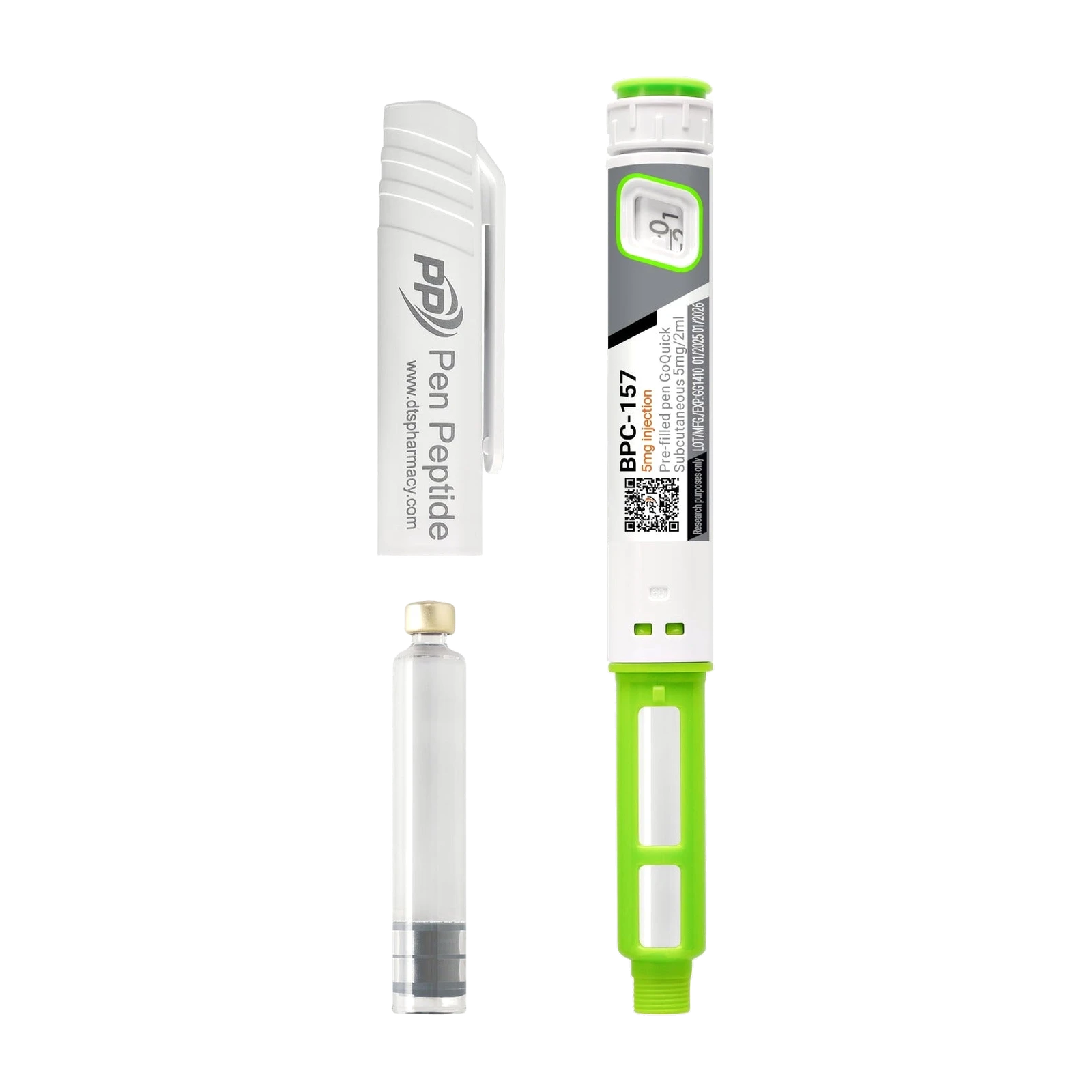
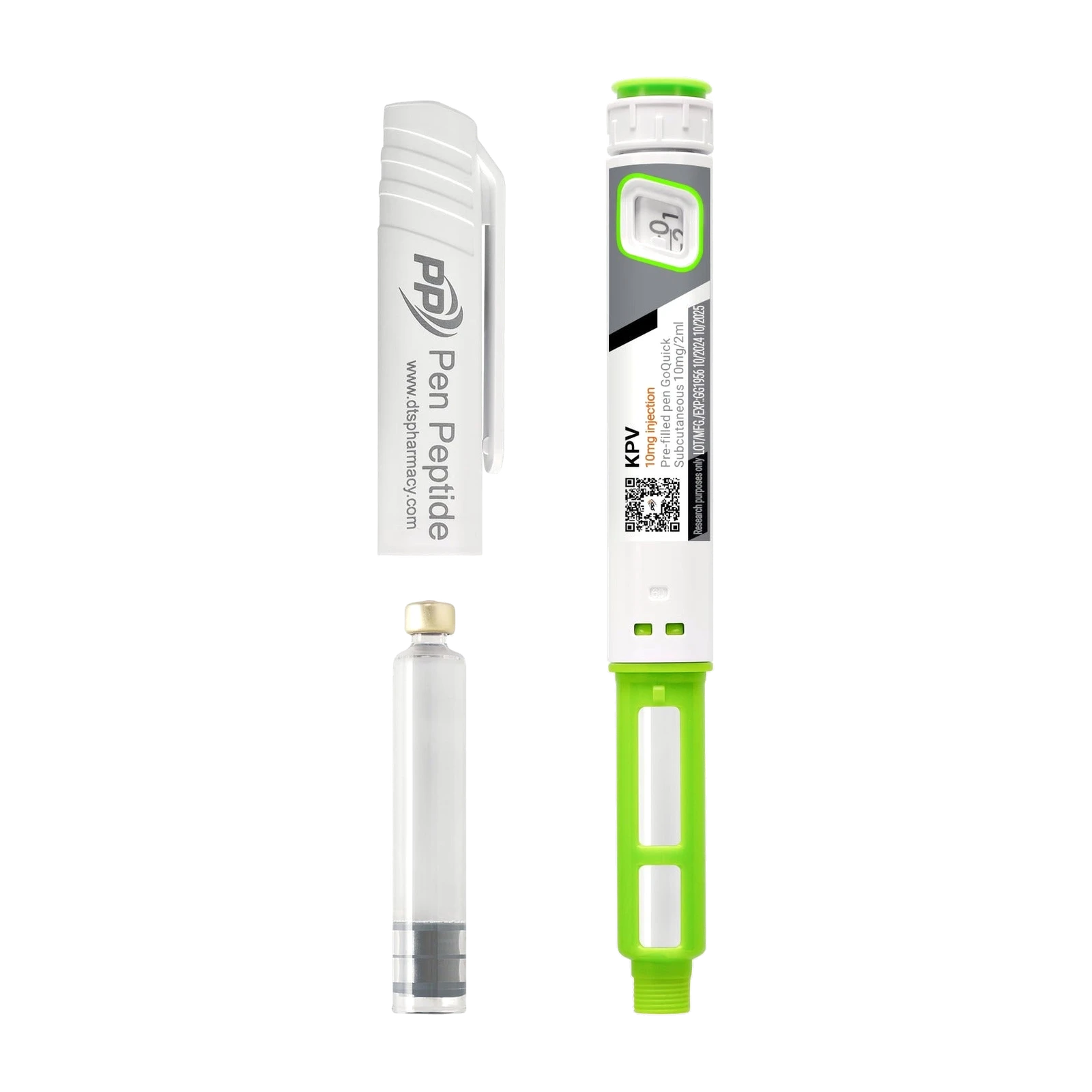
The peptides for regeneration most frequently mentioned in scientific publications and online discussions include molecules such as BPC-157, KPV Peptide and GHK-Cu. These peptide structures are investigated in studies relating to cell communication, tissue adaptation and various mechanisms of regeneration.