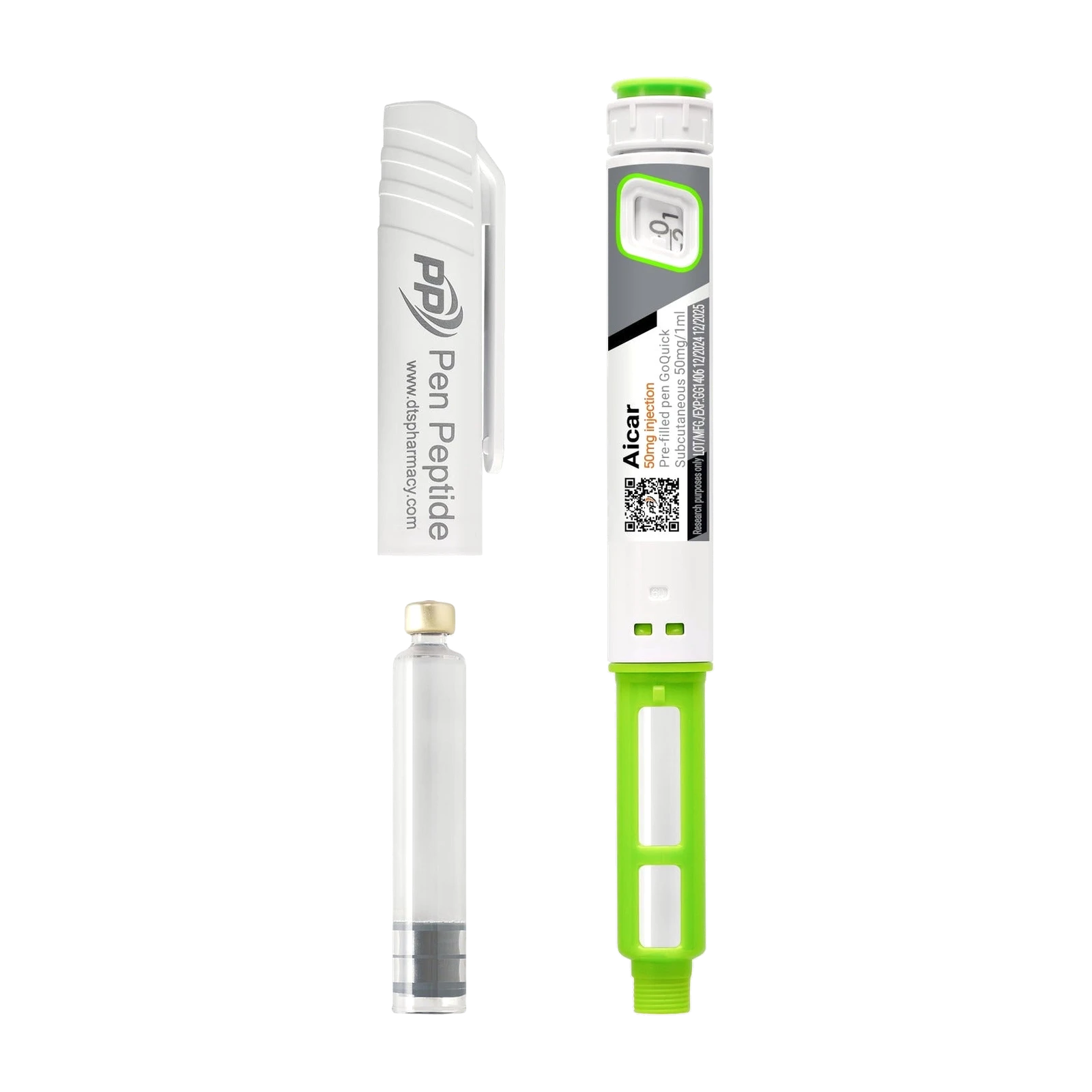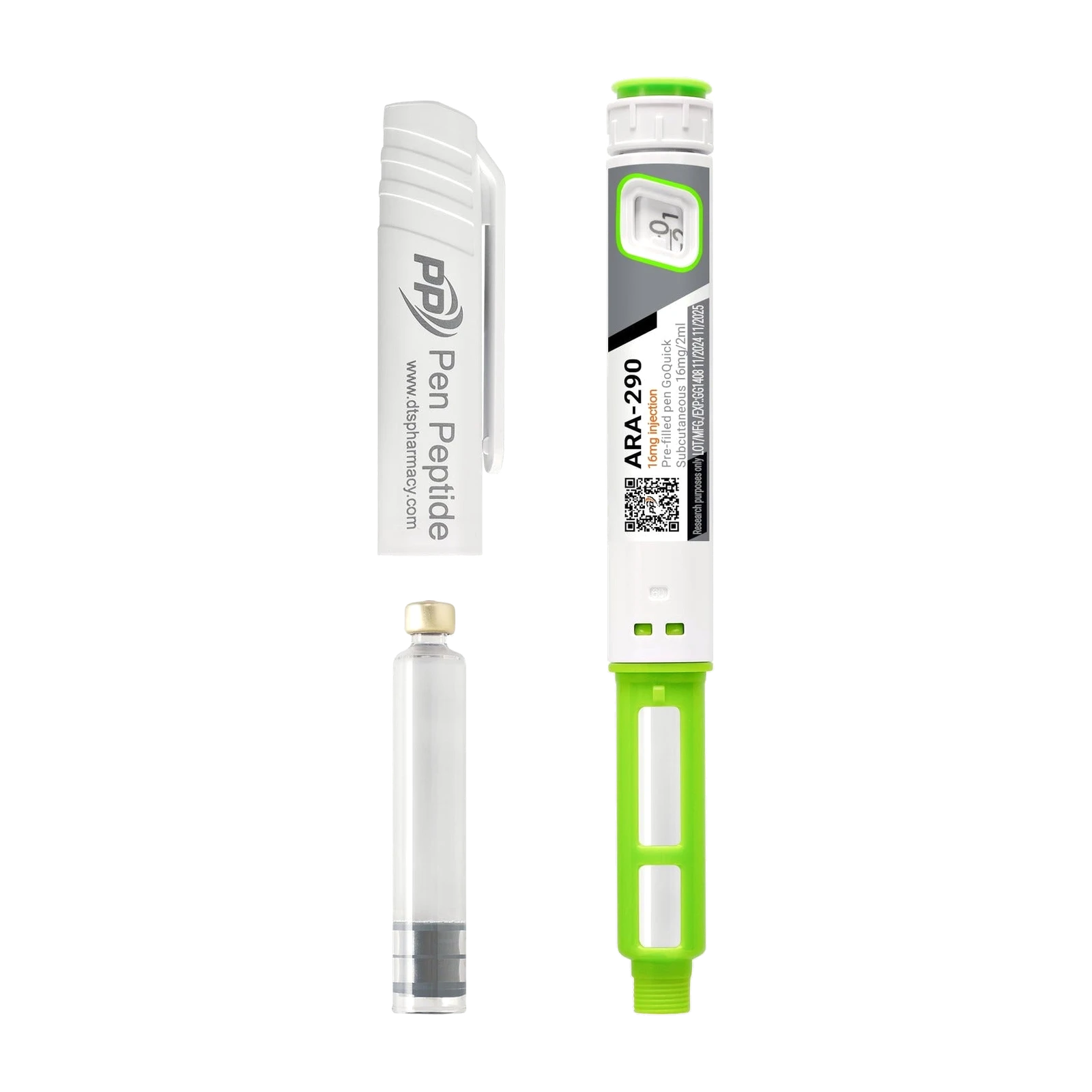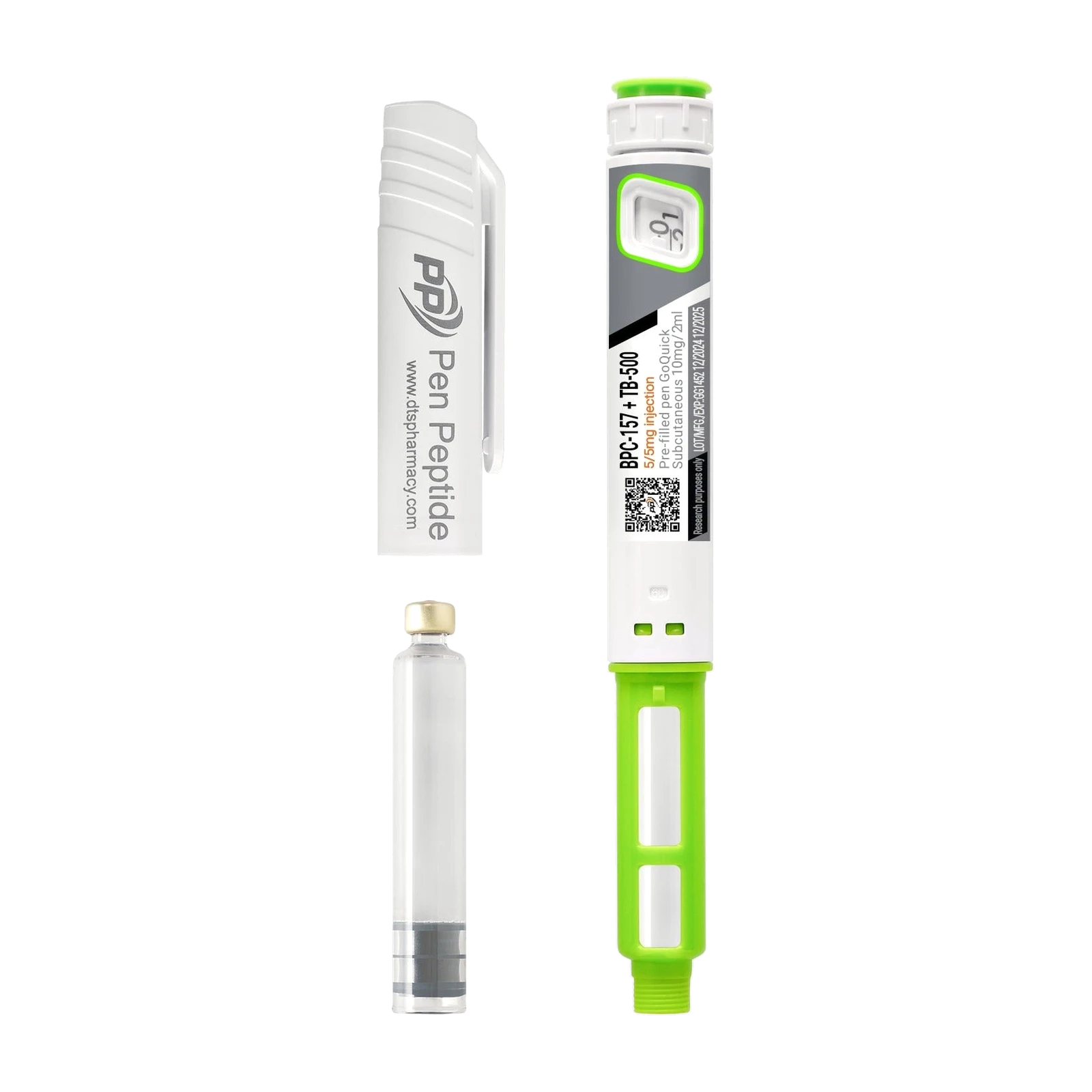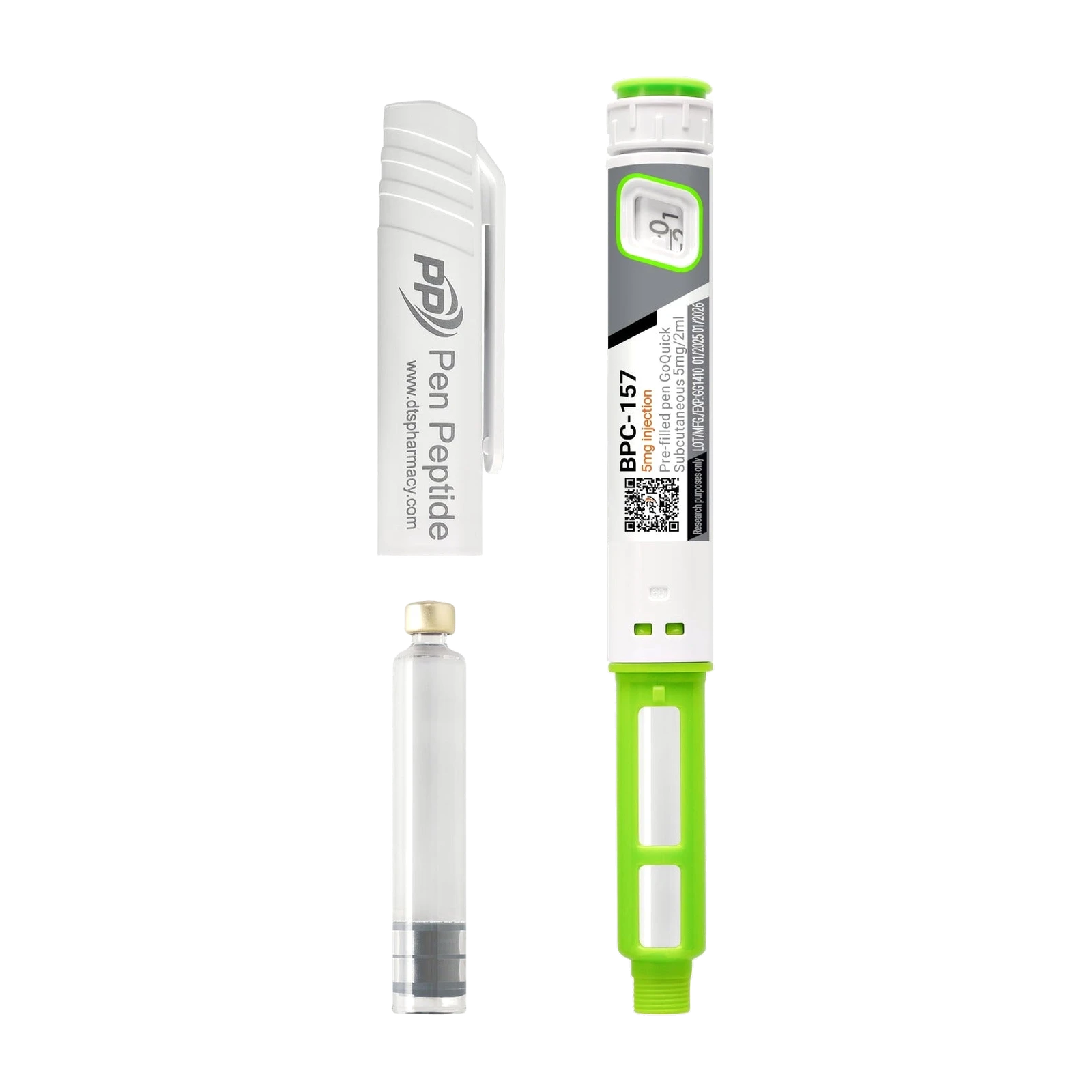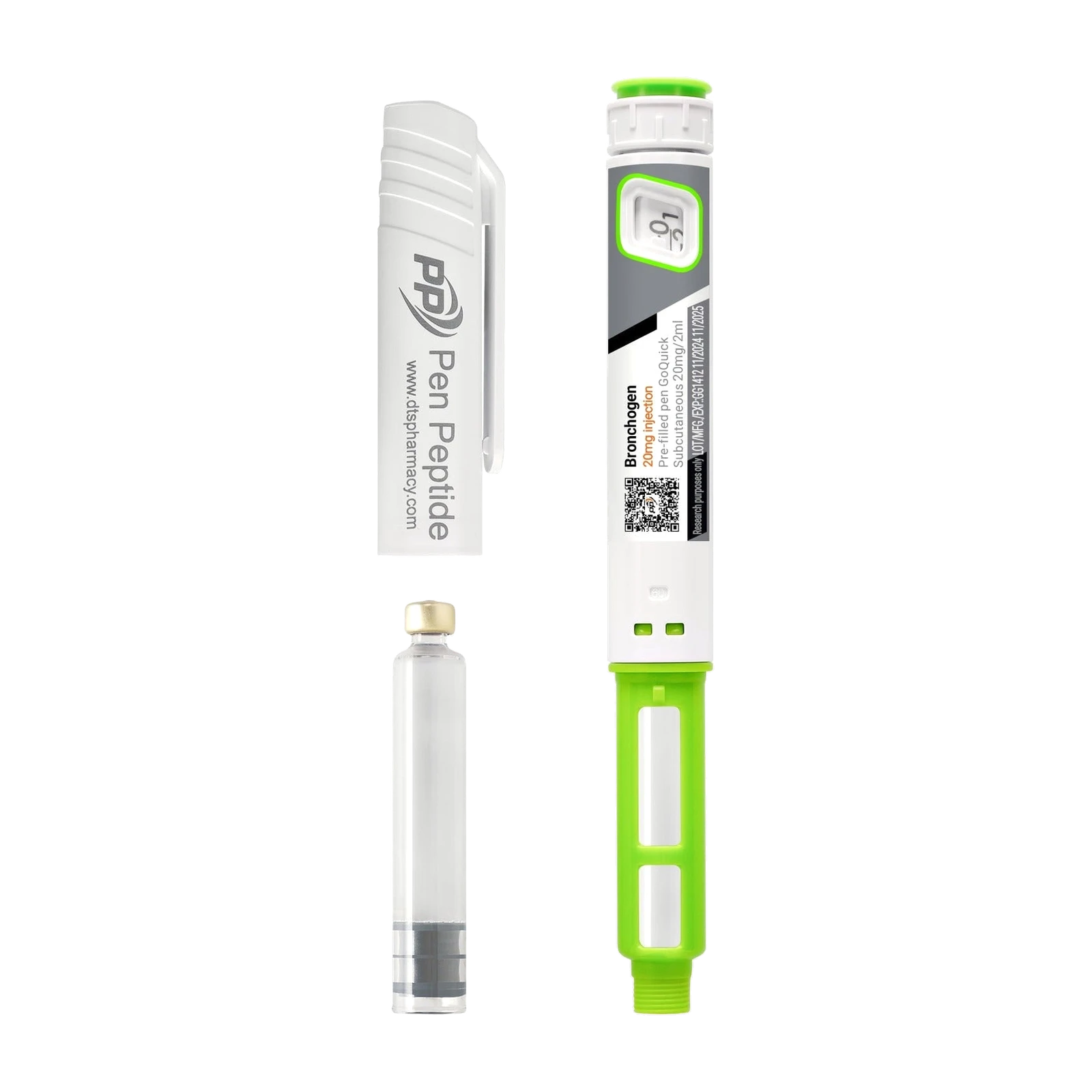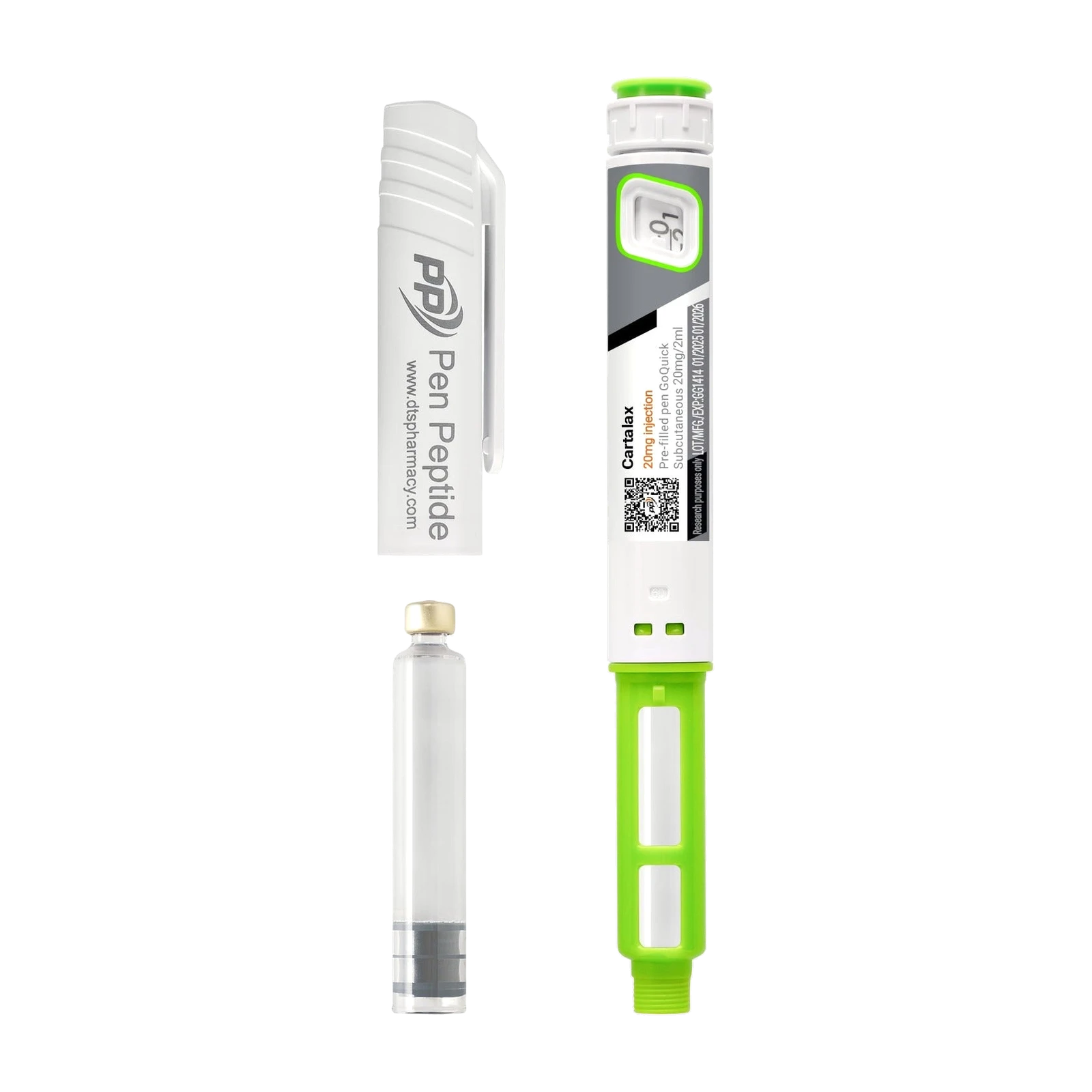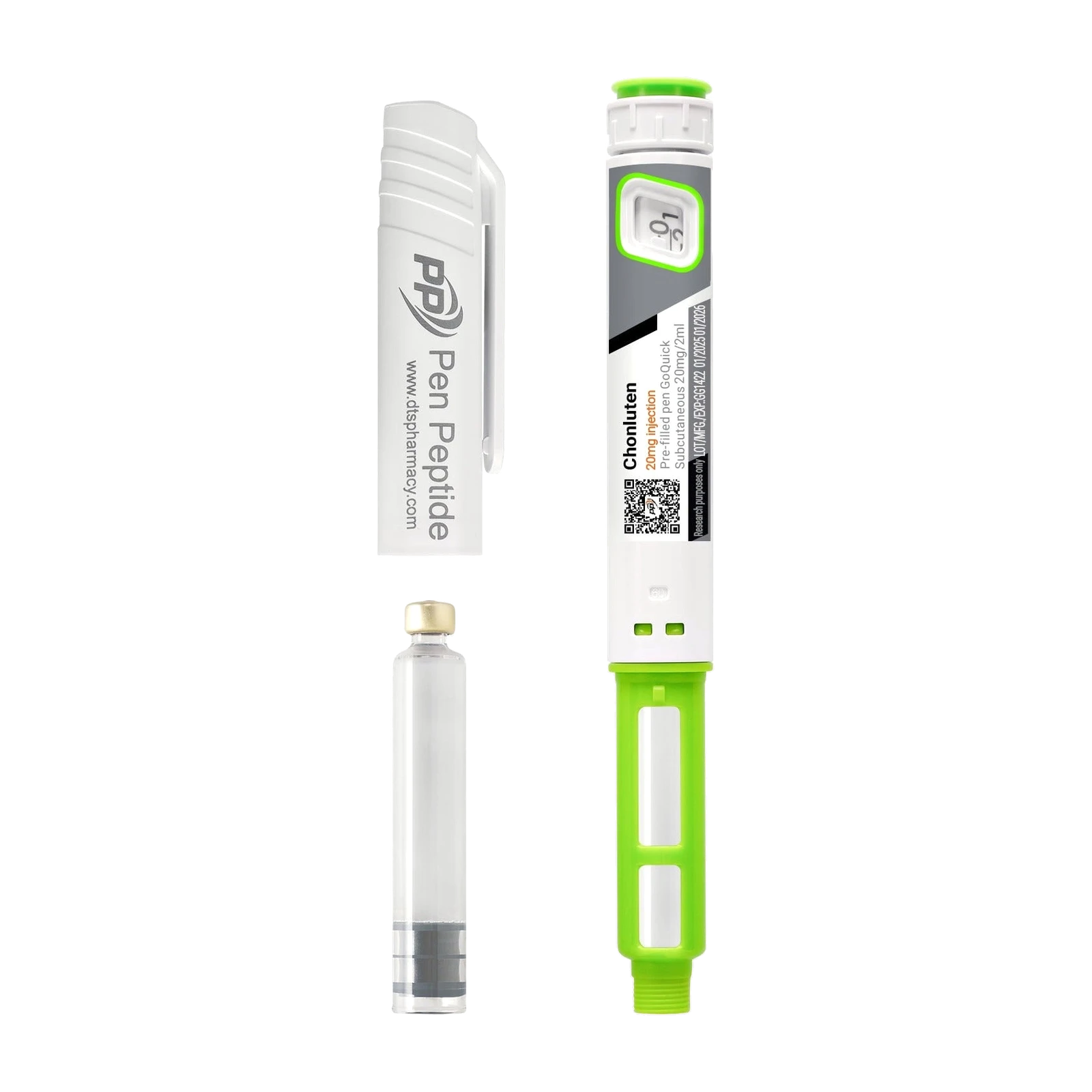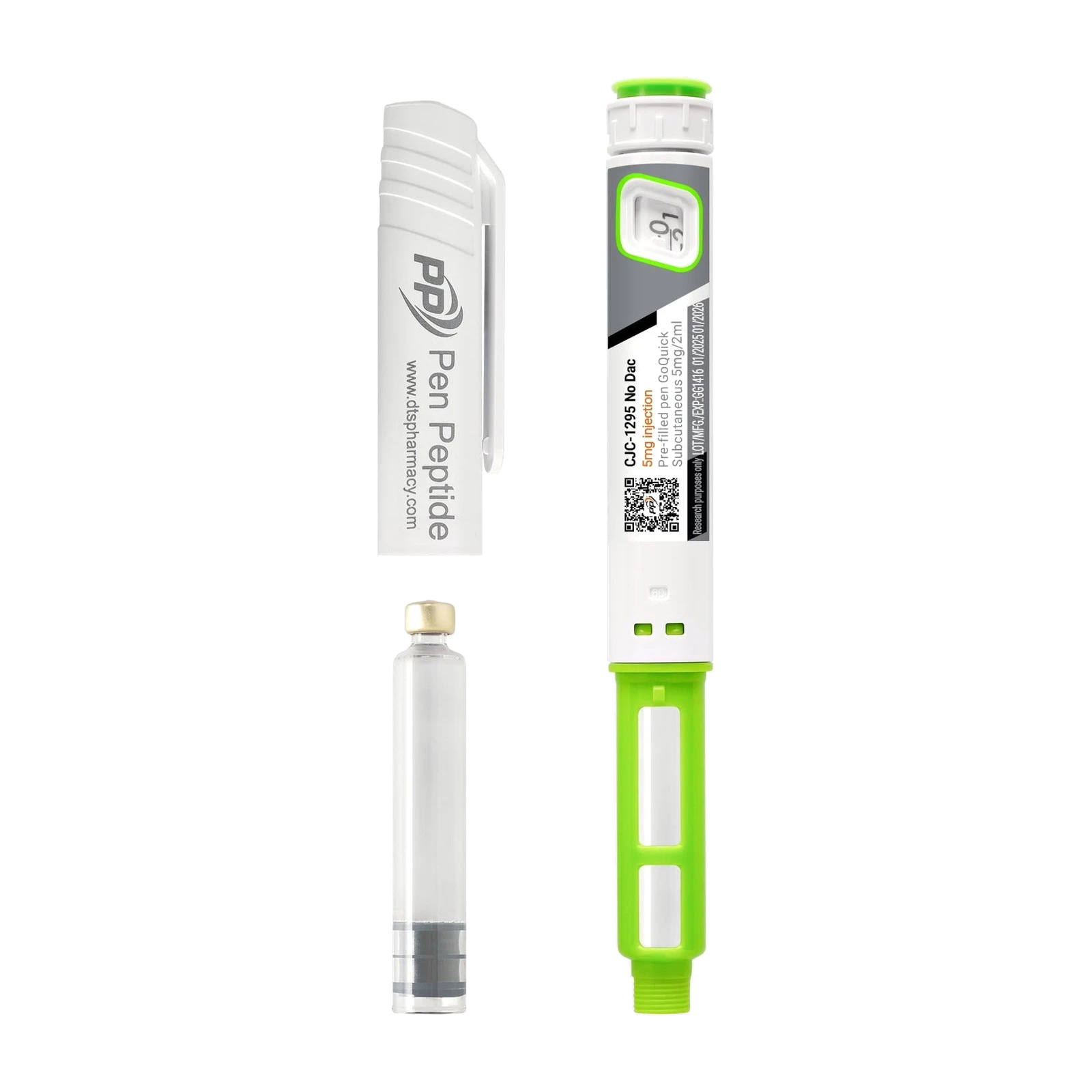
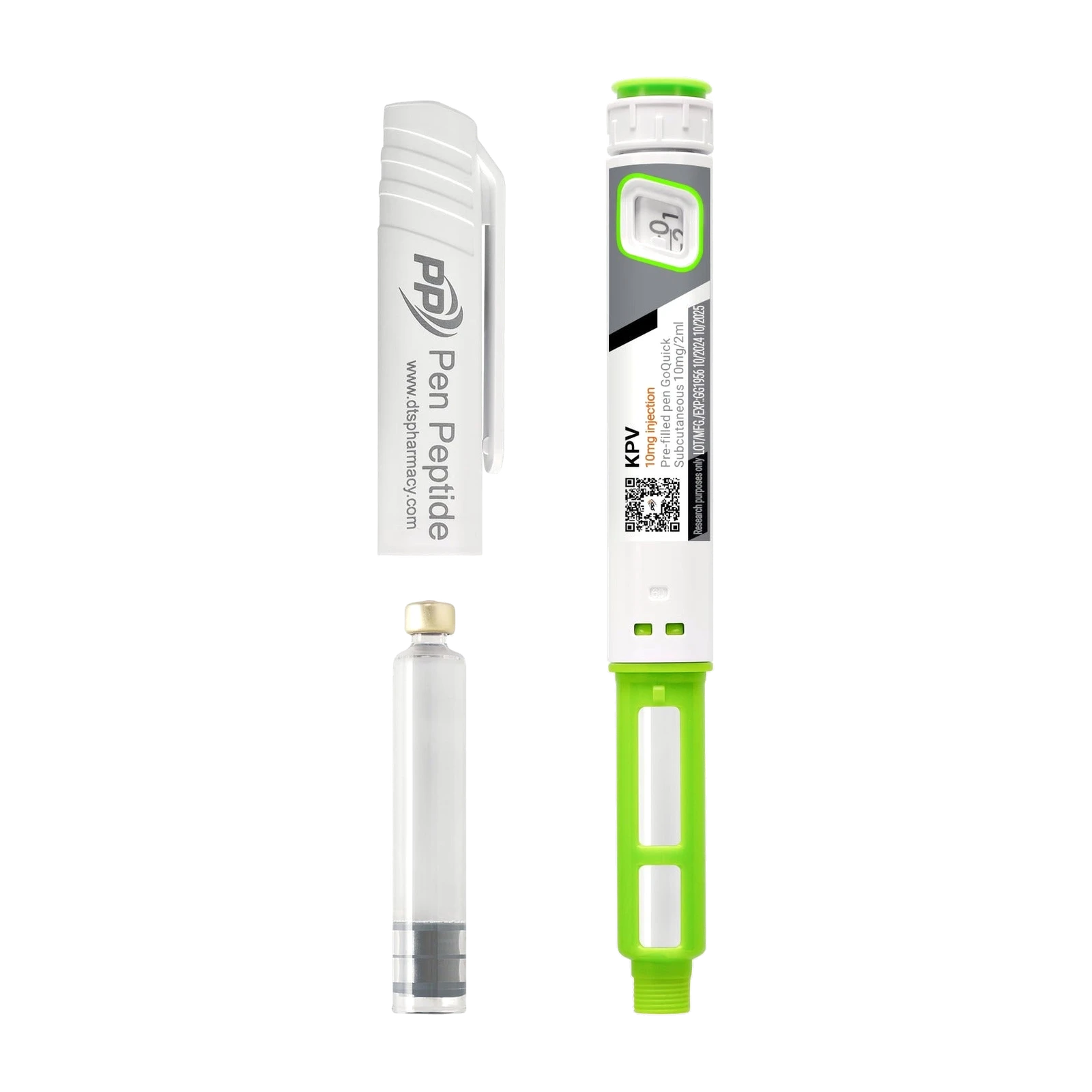
Pre-Filled Pen
Research use onlyKPV 10mg / 2mL
VAT included. Shipping calculated at checkout.
In stock
- ≥99% purity
- HPLC & LC-MS analysed
- Stabilised formula
- The world's first brand of peptides in a pen
Secure delivery
Secure delivery with FedEx within 1–2 business days after payment confirmation
Payment methods
- Bank transfer
What is KPV?
KPV is a short tripeptide made up of the amino acids lysine (K), proline (P) and valine (V). It is a biologically active fragment of alpha-melanocyte-stimulating hormone (α-MSH), which is known for its anti-inflammatory and immunomodulatory properties.
KPV has been studied as a peptide with the potential to regulate inflammatory processes, reduce oxidative stress and help maintain a healthy cellular balance. Because of its simple structure and high biological activity, it is a valuable tool for scientific protocols in the fields of immunology, dermatology and cell biology.
What are the benefits of the KPV peptide?
1. Strong anti-inflammatory properties
One of the most significant benefits of KPV is its ability to reduce inflammatory reactions. It modulates the activity of pro-inflammatory cytokines and thereby supports tissue regeneration without excessive damage.
2. Support for immunological balance
KPV has been studied as an immunomodulator that regulates the activity of immune cells and the balance between pro-inflammatory and anti-inflammatory mechanisms. This is crucial for maintaining stable immune function.
3. Protection against oxidative stress
KPV has the ability to reduce the formation of free radicals and protect cells from oxidative damage. This property is particularly important for preserving cell health under stress conditions.
4. Improved skin health
Thanks to its anti-inflammatory and regenerative properties, KPV is the focus of dermatological research. It has been studied in connection with skin conditions in which inflammation plays a central role.
5. Support for gut health
There is evidence that KPV may have a positive influence on the intestinal mucosa by regulating inflammation and maintaining the integrity of epithelial cells. This is important for studies in the field of gastroenterology.
6. Potential in anti-ageing research
Because of its antioxidant and anti-inflammatory effects, KPV is regarded as a peptide with a possible role in delaying cellular ageing and preserving overall cell health.
Mechanism of action of the KPV peptide:
The mechanism of action of KPV is linked to its ability to block pro-inflammatory signalling pathways, including NF-κB (nuclear factor kappa B). Through this mechanism, the peptide reduces the production of pro-inflammatory cytokines such as TNF-α and IL-6.
In addition, KPV can stimulate anti-inflammatory signalling pathways and activate cell-protective processes. The peptide also reduces oxidative stress by limiting free radicals and stabilising cell membranes.
The combination of anti-inflammatory, antioxidant and immunomodulatory properties explains the broad scientific interest in KPV.
Correct use and dosage of KPV:
Recommended dose: 10 units once daily subcutaneously
1 unit = 50 mcg
Total contents per pen: 200 units (10 mg)
The duration of the cycle may vary depending on the specific condition and the individual requirements of the research protocol.
Research on KPV in various fields:
- Immunology – studied for its role as an immunomodulator that balances the immune response.
- Dermatology – particular interest focuses on its effect on the skin and its ability to reduce inflammatory processes.
- Gastroenterology – researched for its potential to support the health of the intestinal mucosa.
- Gerontology – the subject of studies on slowing down cellular ageing and supporting healthy longevity.
- Antioxidant research – its ability to reduce oxidative cell damage is being analysed.
- Molecular biology – particular interest focuses on its role in blocking pro-inflammatory signalling pathways.
Possible side effects of KPV:
KPV is generally considered well tolerated within research protocols. The reported side effects are rare and usually mild:
- Slight redness or discomfort at the application site.
- Headache – brief and of low intensity.
- Fatigue – temporary changes in energy levels.
- Slight changes in sleep – temporary and usually rare.
- Short-term changes in appetite – rarely observed.
Taken as a whole, the available data suggest that KPV has a favourable tolerability profile and is a valuable tool in research studies dealing with inflammatory processes, immunological balance and cellular protection.