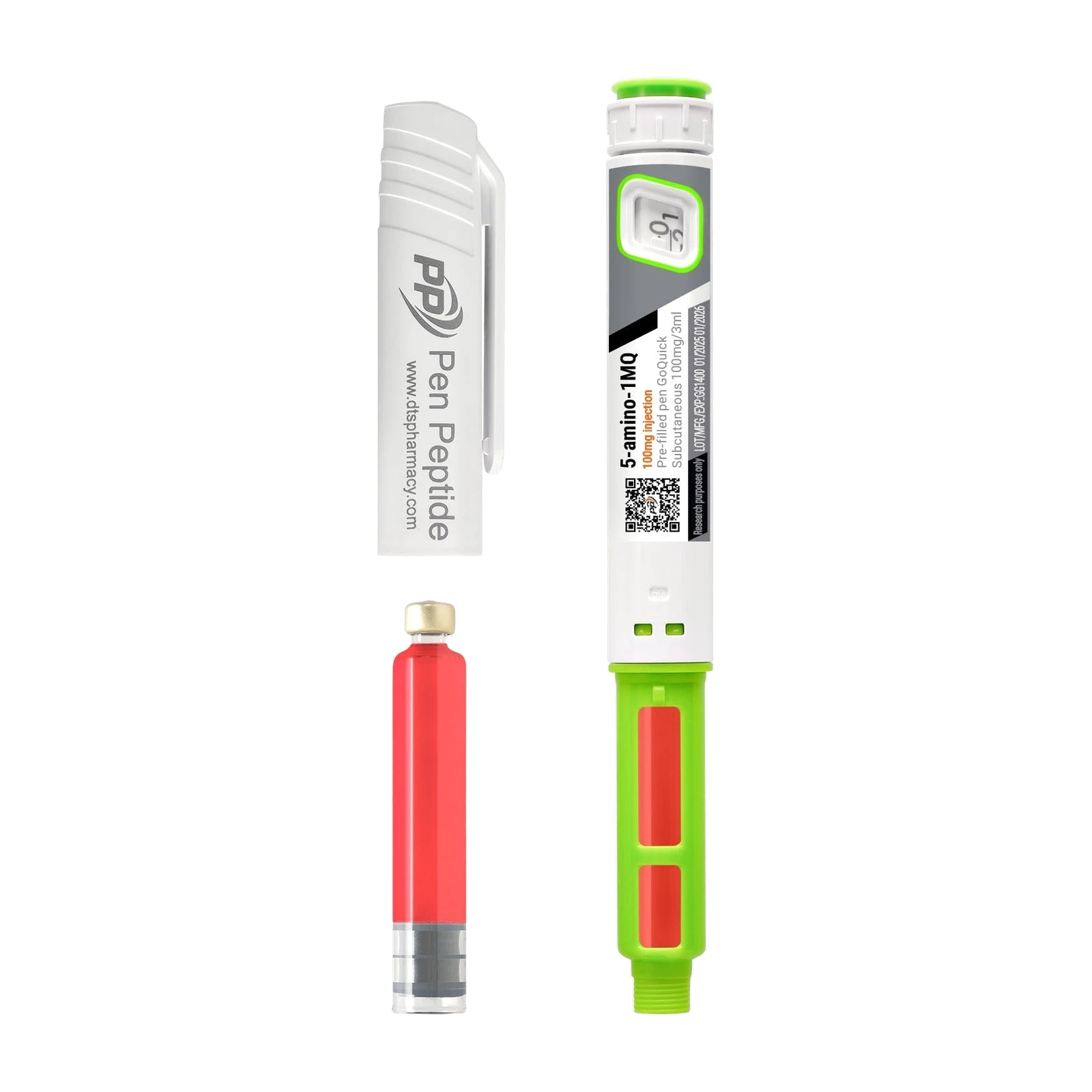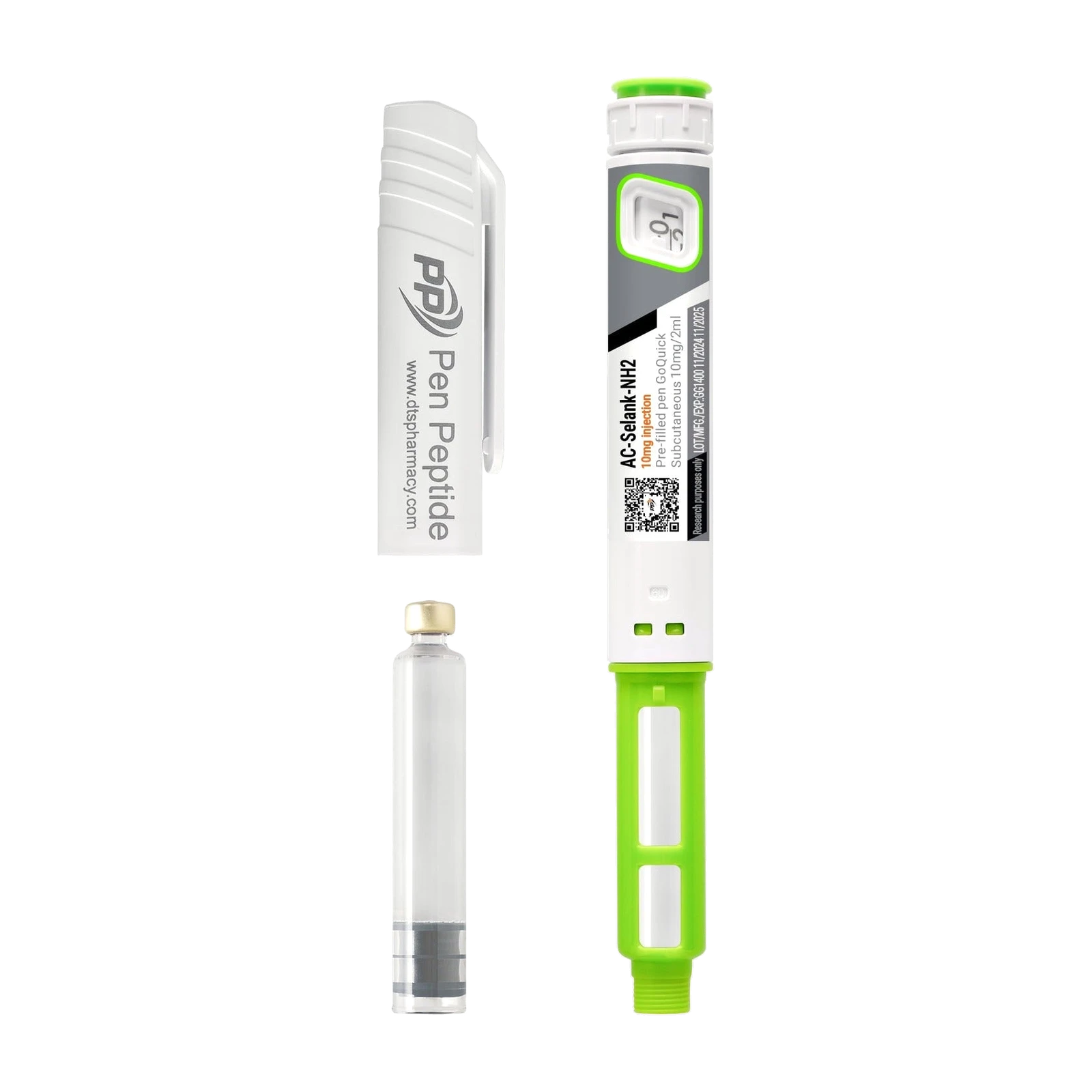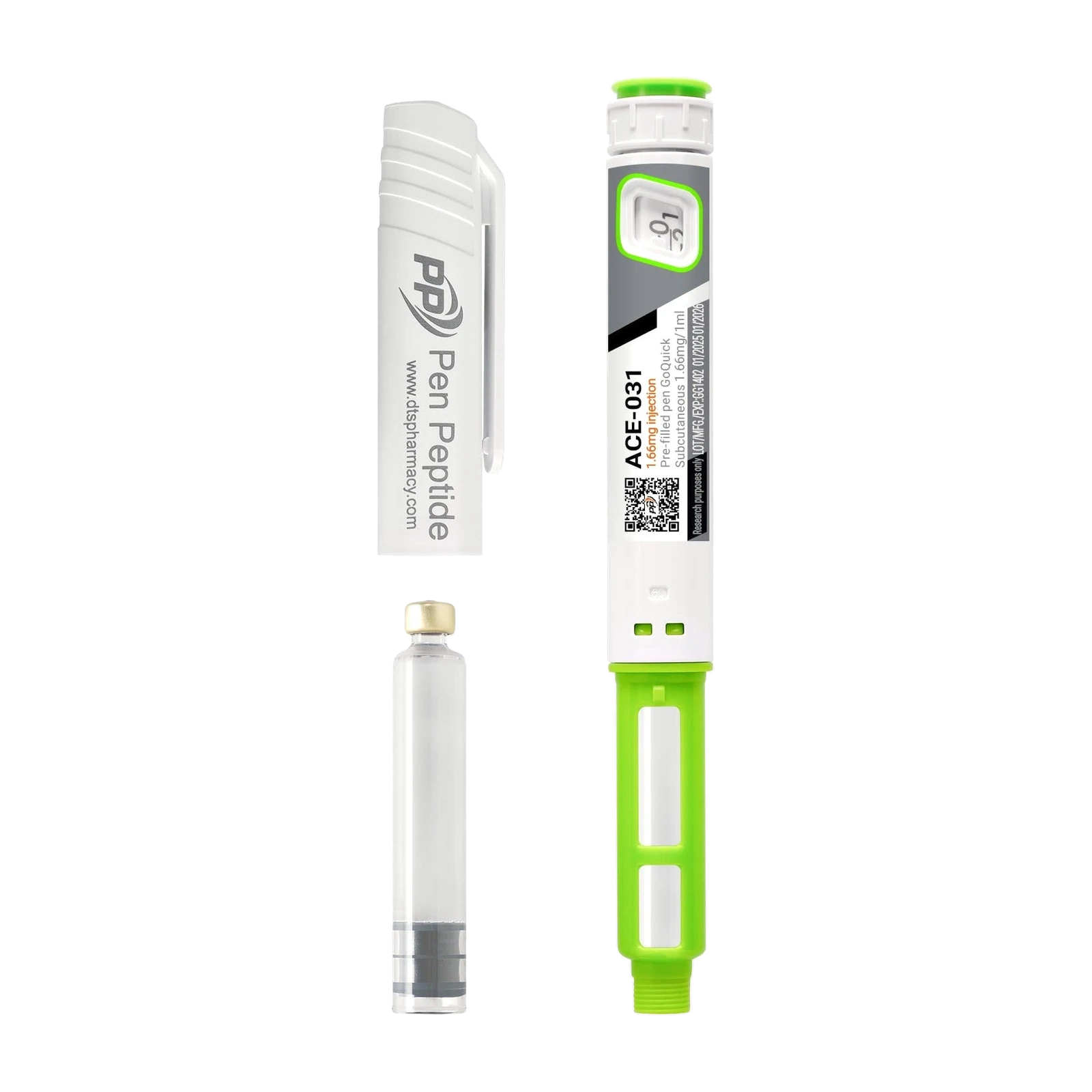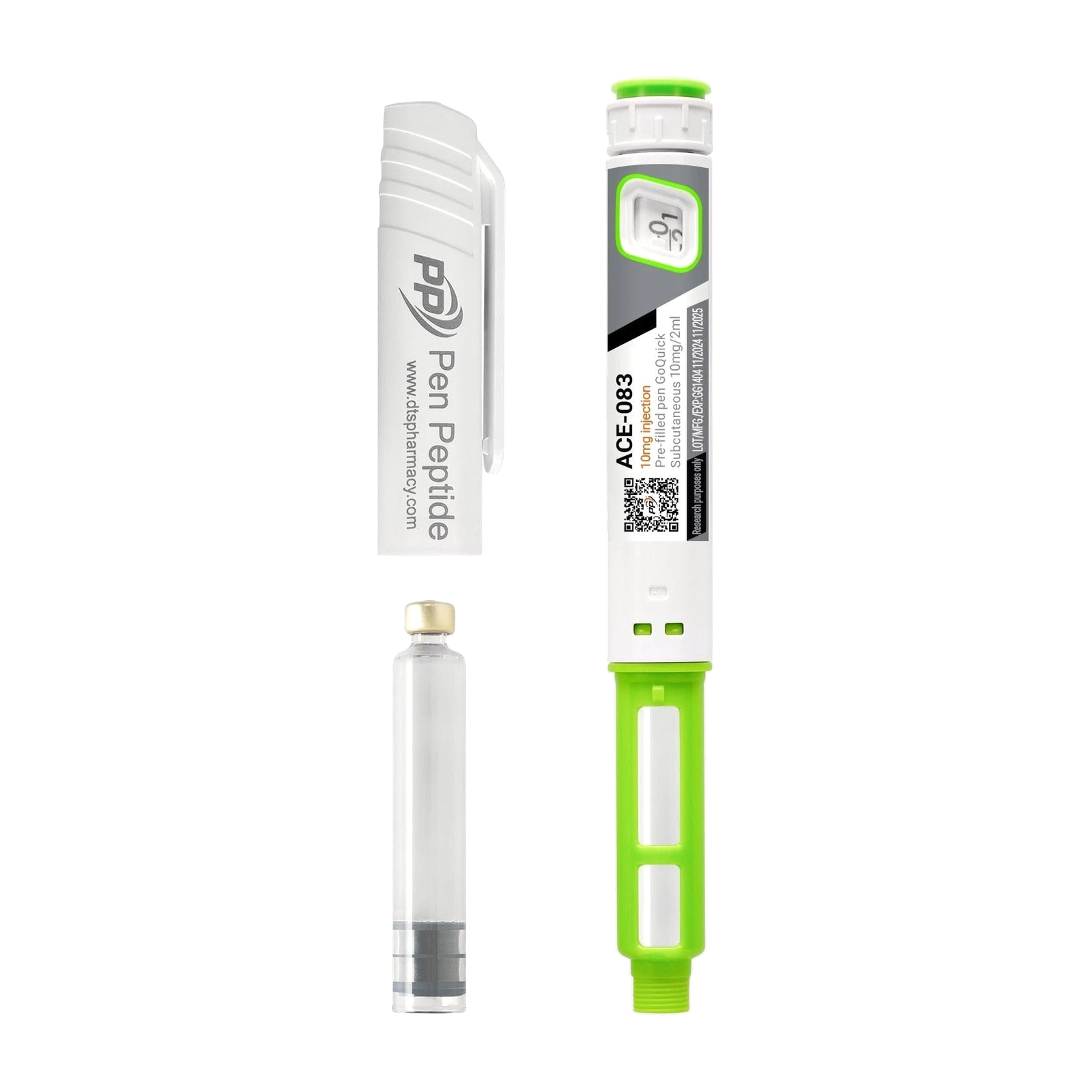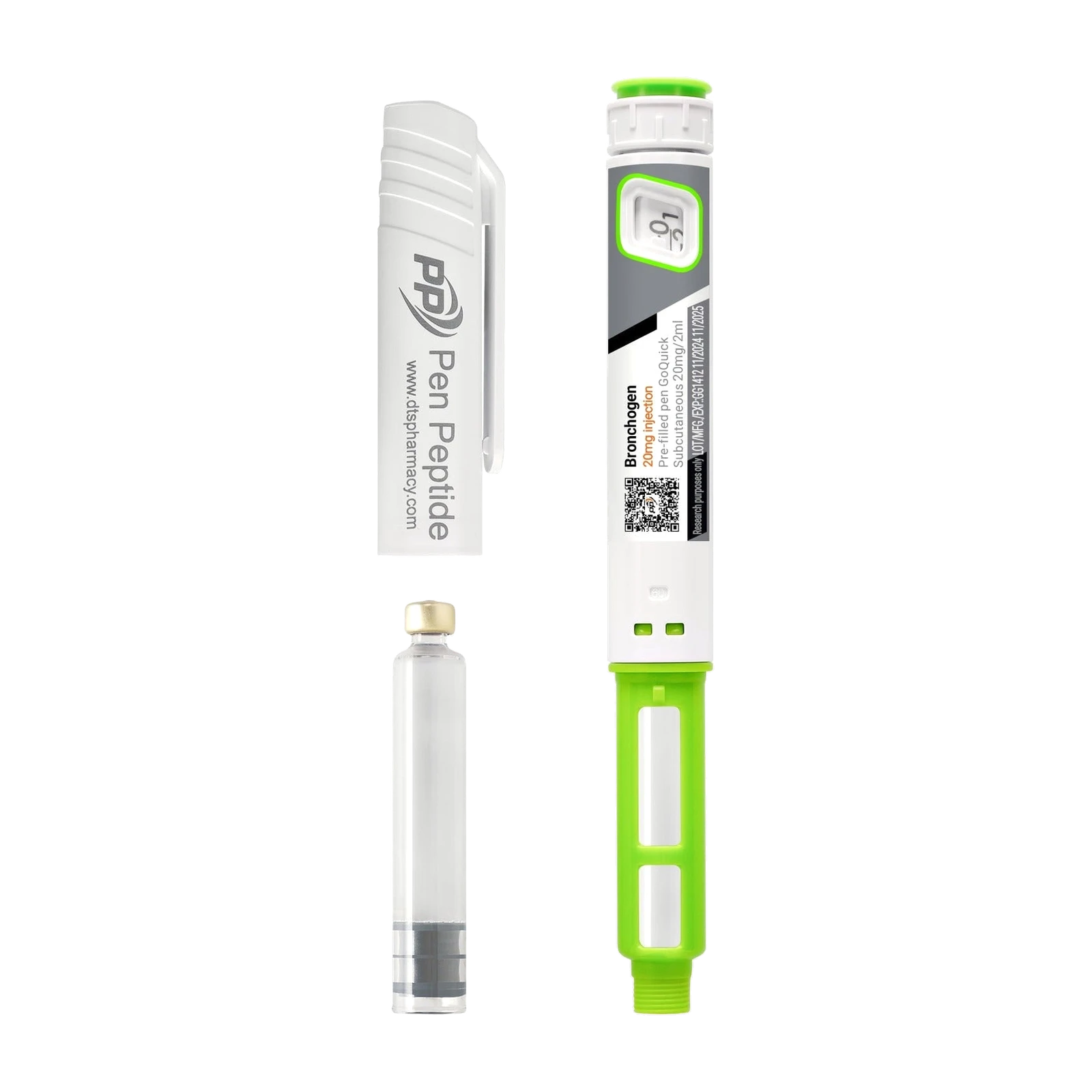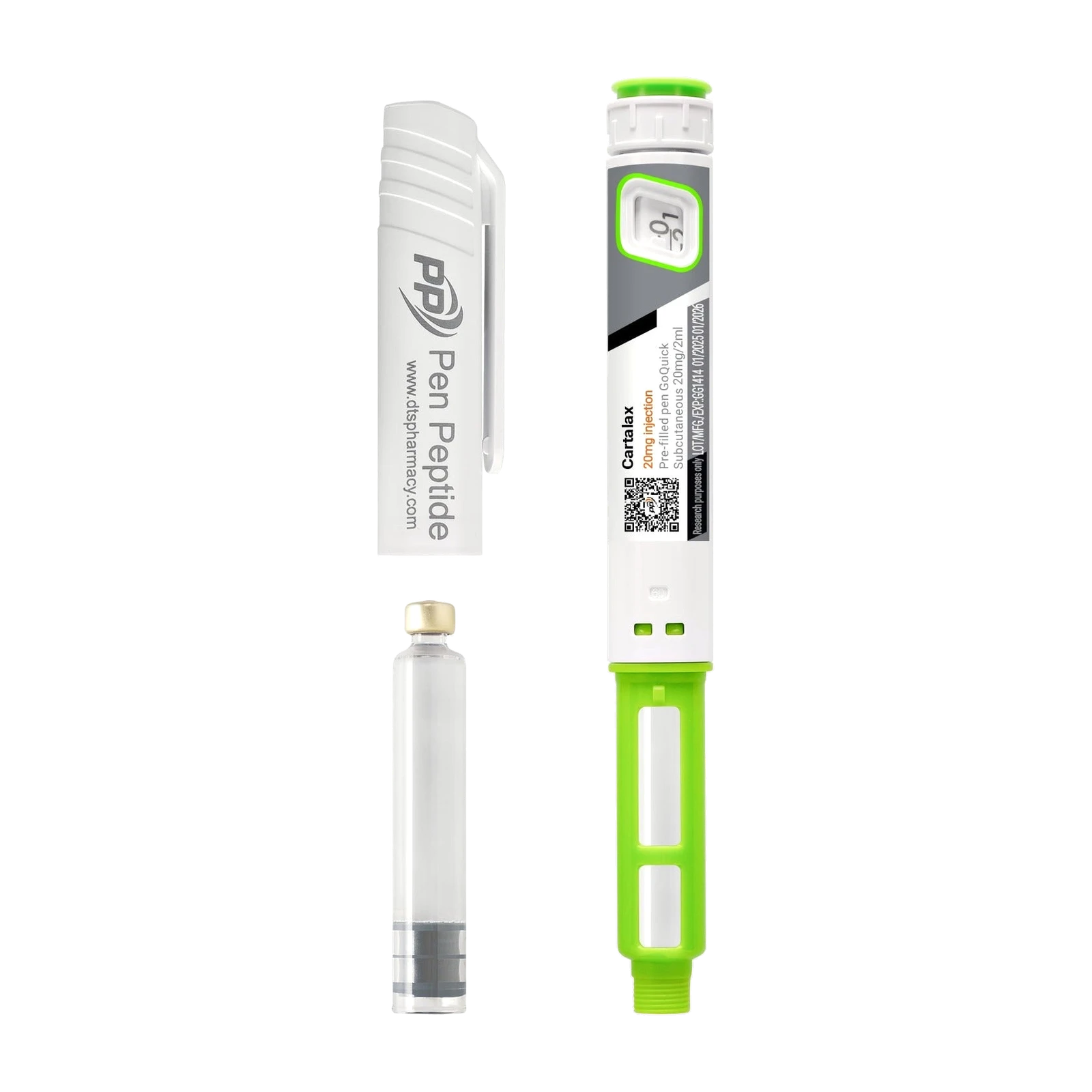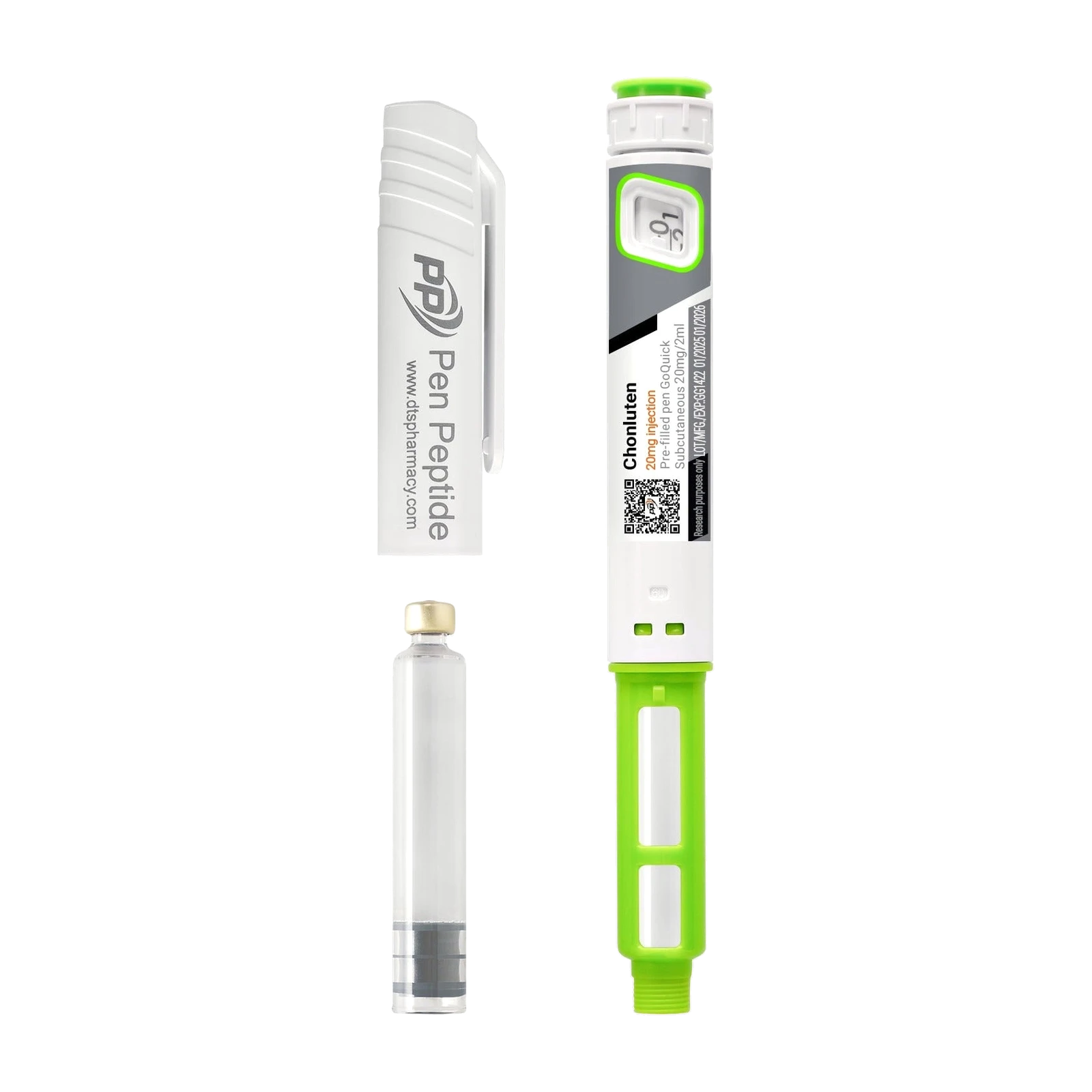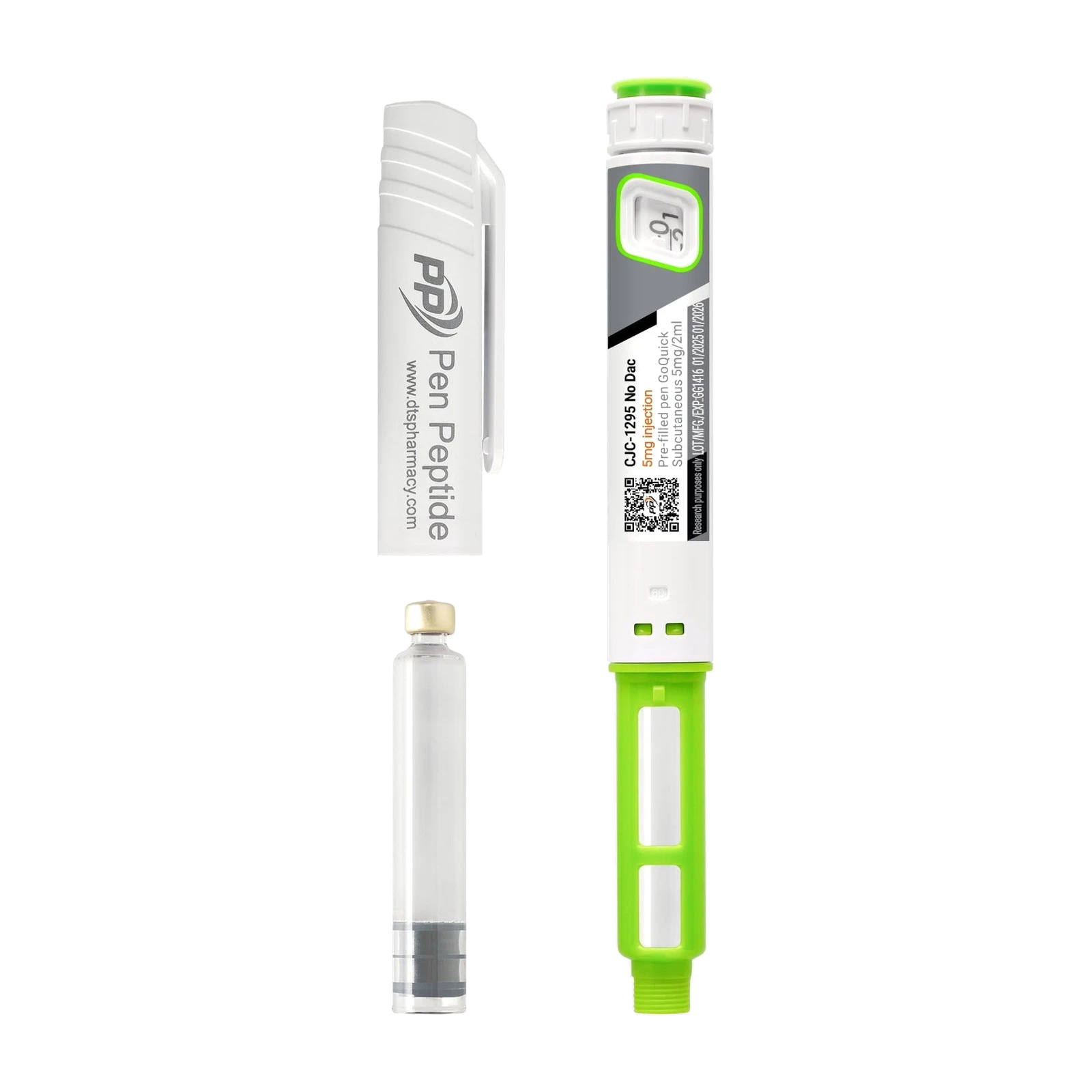
Pre-Filled Pen
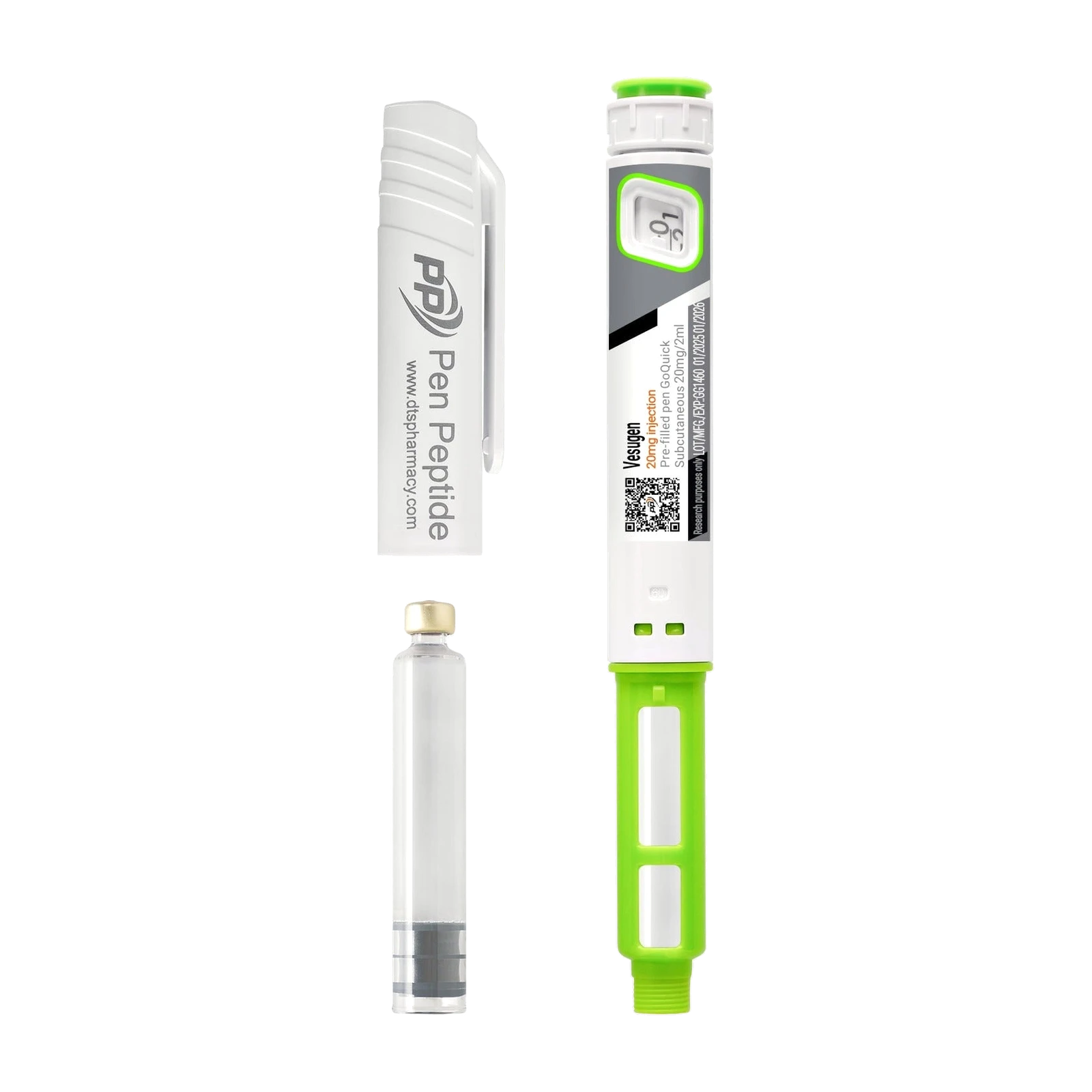
Research use onlyVesugen (Peptide Bioregulator) 20mg / 2mL
VAT included. Shipping calculated at checkout.
In stock
- ≥99% purity
- HPLC & LC-MS analysed
- Stabilised formula
- The world's first brand of peptides in a pen
Secure delivery
Secure delivery with FedEx within 1–2 business days after payment confirmation
Payment methods
- Bank transfer
What is Vesugen?
Vesugen (Lys-Glu-Asp) is a synthetic tripeptide made up of the amino acids lysine, glutamic acid and aspartic acid. It belongs to the family of short regulatory peptides, which are characterised by their ability to regulate gene expression and maintain cellular homeostasis.
Research on Vesugen focuses on its effect on the cardiovascular system. Because of its low molecular weight, it easily penetrates cells and reaches the cell nucleus, where it interacts with DNA and stimulates the synthesis of proteins involved in maintaining healthy vessel walls and normal blood flow.
What are the benefits of Vesugen?
Vesugen shows a number of potential benefits that are the subject of scientific investigation:
1. Support for vascular health
The main benefit of Vesugen lies in maintaining the normal function of the blood vessels. The peptide supports regenerative processes in vascular tissue and contributes to the stability of the vessel walls.
2. Improvement of cellular regeneration
By stimulating gene expression, Vesugen activates the protein synthesis that is crucial for cell repair, which helps maintain healthy blood vessels in the long term.
3. Reduction of oxidative stress
Vesugen has been studied for its ability to reduce the harmful effects of free radicals. Its antioxidant activity is particularly important for the cardiovascular system, which is sensitive to oxidative damage.
4. Support for the immune system
The peptide may play a role in regulating immunological processes by supporting the balance of inflammatory responses, which often affect the vascular system.
5. Optimisation of metabolic processes
Vesugen takes part in regulating cell metabolism and energy efficiency and supports the normal function of endothelial cells and vascular tissue.
6. Potential for healthy ageing
The combination of antioxidant protection, cellular regeneration and vascular balance makes Vesugen a valuable tool in longevity research and in maintaining cardiovascular health in old age.
Mechanism of action of Vesugen:
Vesugen works by interacting with DNA and regulates the expression of genes associated with cell protection and repair. As a small peptide, it penetrates cells directly, activates the synthesis of specific proteins and helps maintain cellular homeostasis.
In addition, Vesugen can stabilise cell membranes, improve cell communication and activate antioxidant mechanisms. These processes support the normal function of the blood vessels and their resilience to harmful influences.
Correct use and dosage of Vesugen:
Recommended dose: 20 units once daily, subcutaneously
1 unit = 100 mcg
Total amount per pen: 200 units (20 mg)
The length of the cycle may vary depending on the specific condition and the individual requirements in the research protocol.
Research on Vesugen in various fields:
Vesugen has been studied in several key scientific disciplines:
- Cardiology and angiology – studied with regard to its role in maintaining normal vascular function and regenerating vascular tissue.
- Gerontology – considered in connection with delaying cellular ageing and preserving vascular health in older individuals.
- Immunology – of interest because of its role as an immunomodulator and as a balancing factor in inflammatory processes.
- Molecular biology – analysed with regard to its mechanisms of regulating gene expression and protein synthesis.
- Antioxidant research – Vesugen is being studied as a peptide that can reduce oxidative stress in the vascular system.
These findings underline the importance of Vesugen as a valuable tool for scientific investigations focused on the cardiovascular system.
Possible side effects of Vesugen:
Vesugen is usually considered well tolerated in scientific use. Potential side effects are rare and mostly mild:
- Slight redness or irritation at the injection site.
- Headache – short-lived and minor.
- Tiredness – some users may experience temporary changes in energy levels.
- Slight changes in sleep – mostly temporary.
- Changes in appetite – rare and minor.
Overall, the available data indicate that Vesugen has a favourable tolerability profile and is well suited for inclusion in research protocols.