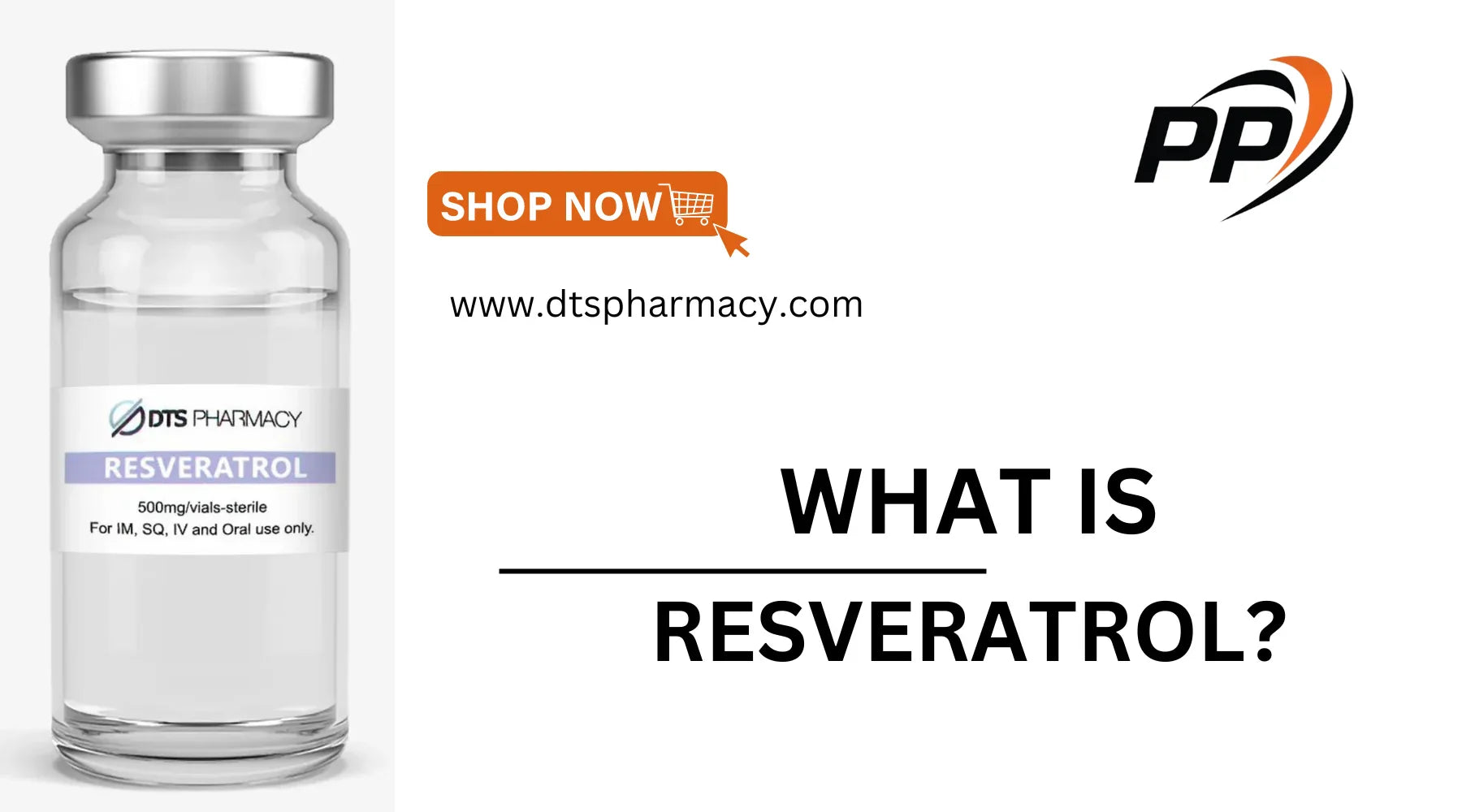
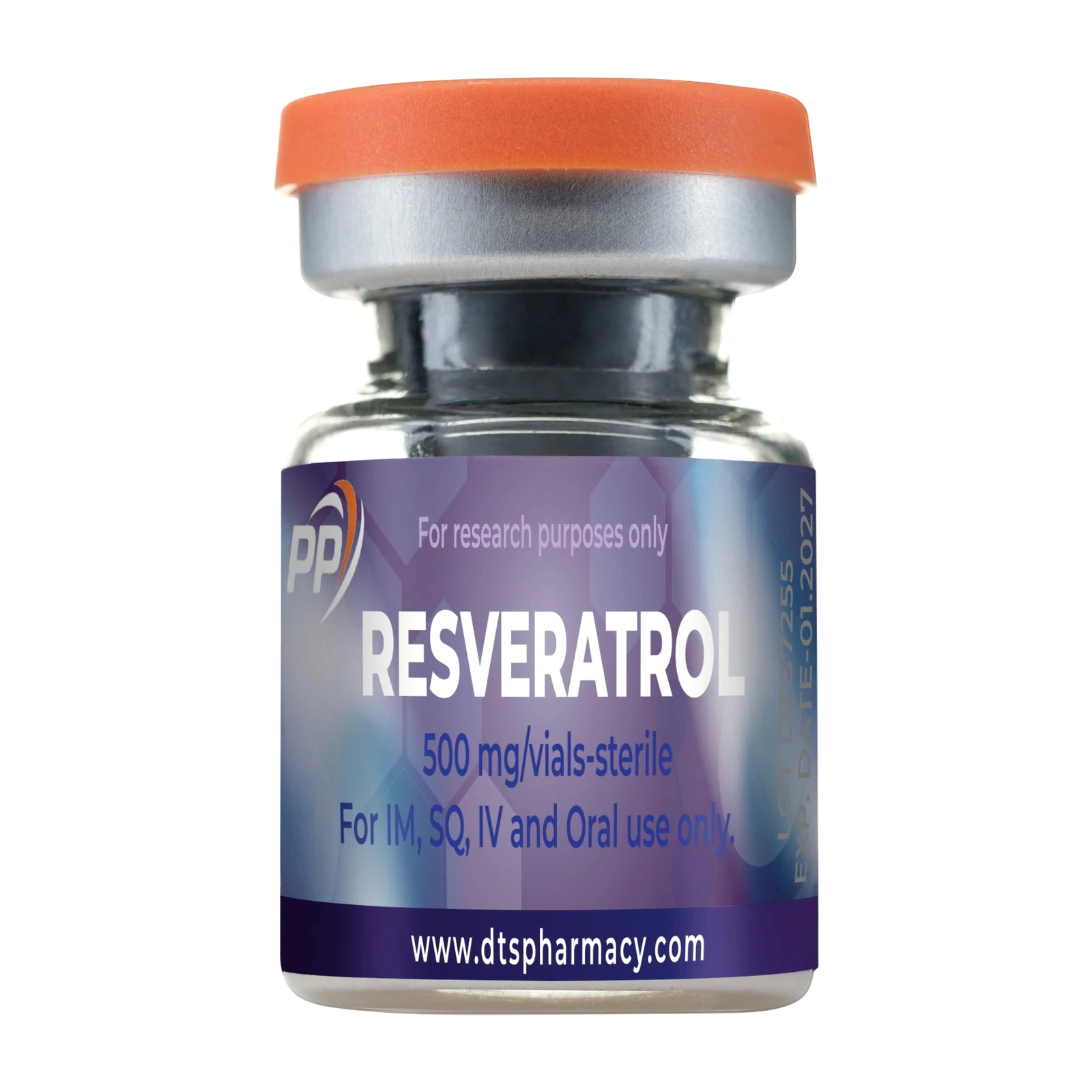
Vial
Research use onlyResveratrol 500mg
VAT included. Shipping calculated at checkout.
In stock
Secure delivery
Secure delivery with FedEx within 1–2 business days after payment confirmation
Payment methods
- Bank transfer
What is resveratrol?
Resveratrol is a natural polyphenolic compound belonging to the stilbene family – a group of biologically active substances with strong antioxidant potential. It occurs naturally in grape seeds, red wine, nuts, peanuts, blueberries, strawberries and numerous other plant sources. In the scientific literature, resveratrol is one of the most intensively studied phytochemicals, as it is involved in the regulation of cellular protection, metabolic signalling pathways, inflammatory processes and age-associated mechanisms.
As an active molecular structure, resveratrol attracts particular interest because of its role in maintaining cellular homeostasis and protecting against oxidative stress. Owing to its antioxidant character, it can help neutralise free radicals and support the normal functioning of cells, which makes it a valuable tool in numerous scientific research models.
What are the benefits of resveratrol?
1. Antioxidant protection and cellular homeostasis
Resveratrol is characterised by exceptionally strong antioxidant properties. It can be involved in neutralising free radicals and protect cellular structures by reducing oxidative stress. This makes it particularly valuable in scientific protocols focused on cellular ageing, regeneration and the maintenance of normal cell functions.
2. Support for cardiovascular health
Numerous studies show that resveratrol can have a positive influence on endothelial function – the inner layer of the blood vessels. It helps maintain healthy cholesterol levels, improves blood circulation and supports the regulation of blood pressure. These mechanisms make it one of the most frequently studied molecules in cardioprotective research models.
3. Influence on metabolic processes
Resveratrol is involved in numerous metabolic signalling pathways and is the focus of studies on the control of insulin sensitivity and glucose metabolism. Studies show that it can influence mechanisms associated with obesity, metabolic syndrome and the regulation of energy balance.
4. Anti-inflammatory activity
Resveratrol has well-documented anti-inflammatory properties. It is involved in the regulation of inflammatory cytokines and helps limit inflammatory processes in tissue. This is of central importance for scientific studies on arthritis, diabetes, metabolic disorders and cellular damage.
5. Improved skin function and protection against UV damage
Resveratrol is being researched for its role in maintaining skin elasticity, protecting against light-induced skin ageing and preserving a healthy cell structure. Its antioxidant and regenerative properties make it a valuable component of dermatological research models.
6. Improved cognitive functions
There are data suggesting that resveratrol can support brain function, memory and concentration by helping to maintain normal neuronal activity and protecting nerve cells from oxidative stress.
7. Support for physical endurance and regeneration
Resveratrol can help improve endurance and muscle function. Some studies suggest that it is involved in processes of mitochondrial biogenesis – the formation of new mitochondria – which supports cellular energy metabolism. This makes it particularly interesting for scientific protocols related to physical performance and regeneration after exertion.
Correct use and dosage of resveratrol 500 mg:
The product is used intravenously: the contents of the vial are dissolved and transferred into a 100 ml sodium chloride infusion solution. The maximum use is 500 mg up to 3 times per week.
Possible side effects of resveratrol:
Resveratrol is generally considered well tolerated; however, as with all biologically active compounds, side effects may occur at higher doses. The most frequently reported include mild gastrointestinal discomfort, bloating, constipation or diarrhoea.
Although resveratrol is generally regarded as safe to use, it is important not to exceed the recommended dosage and to use it after consulting a specialist.