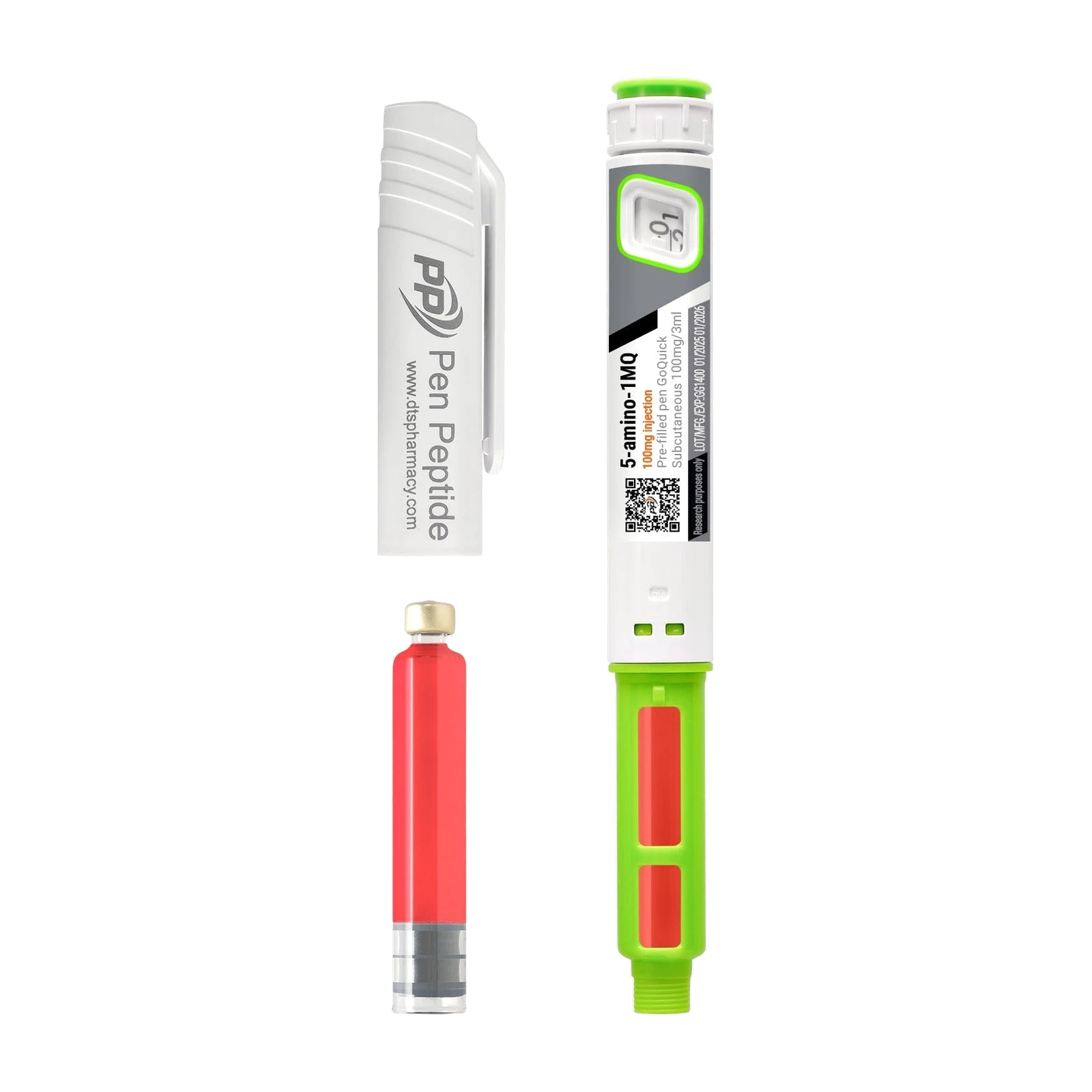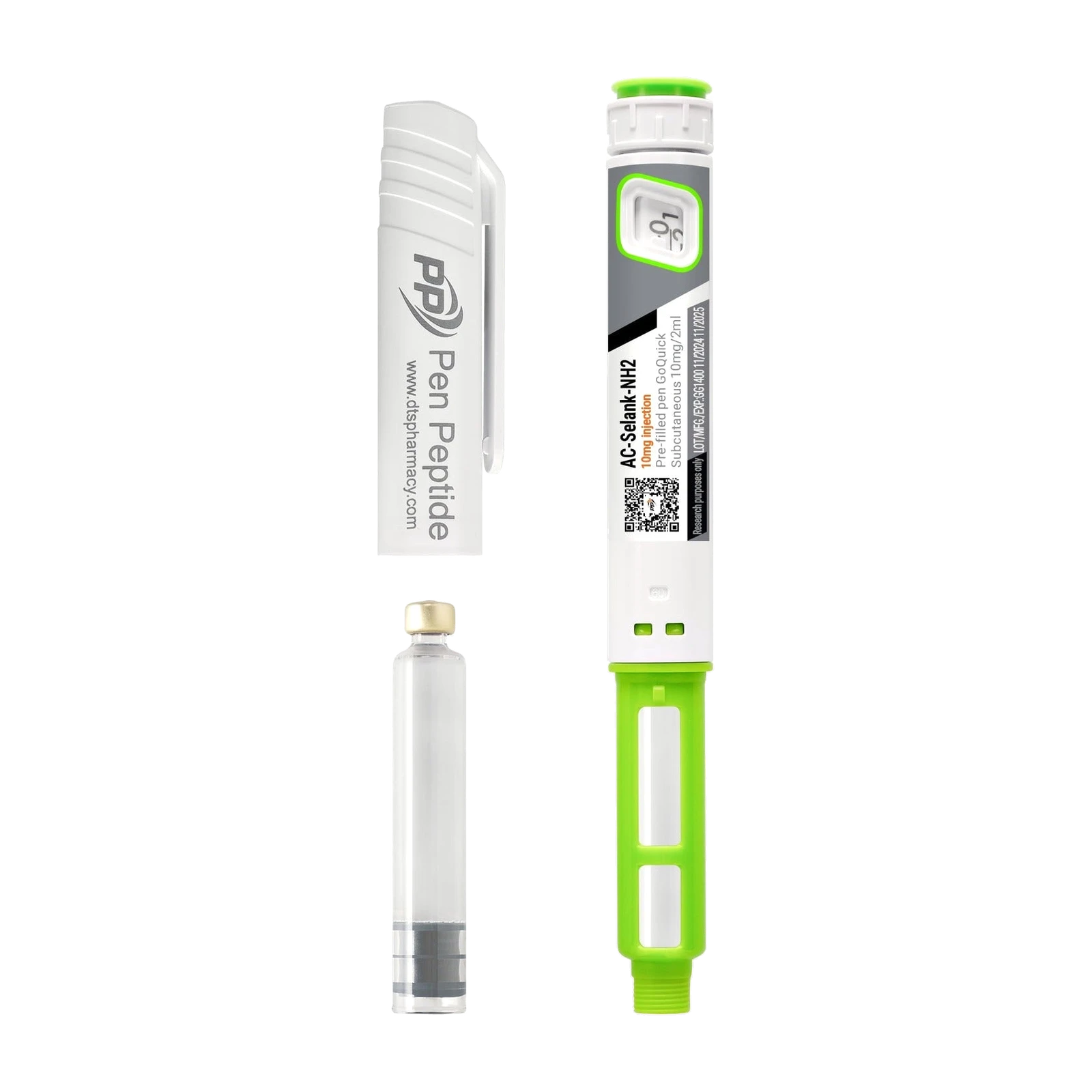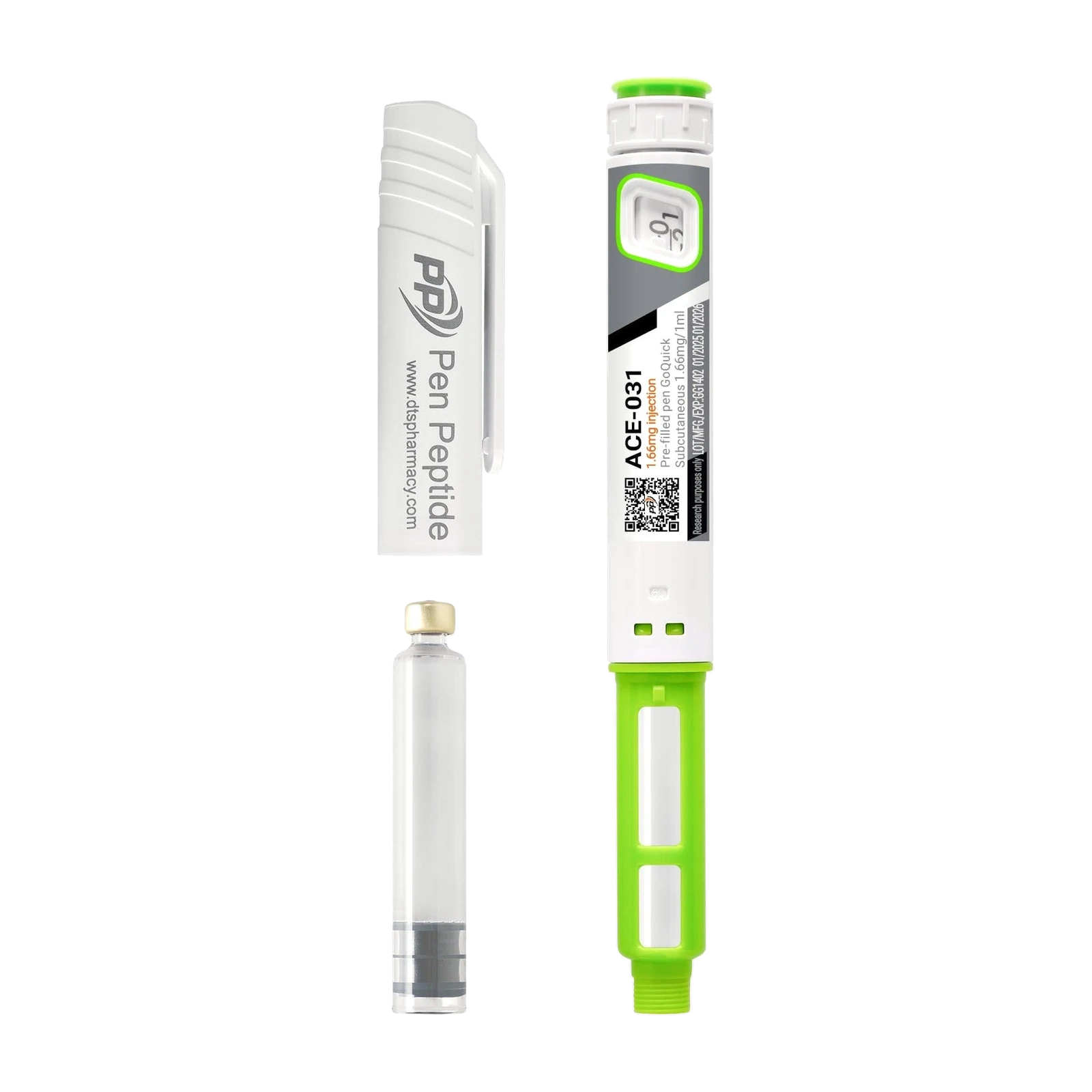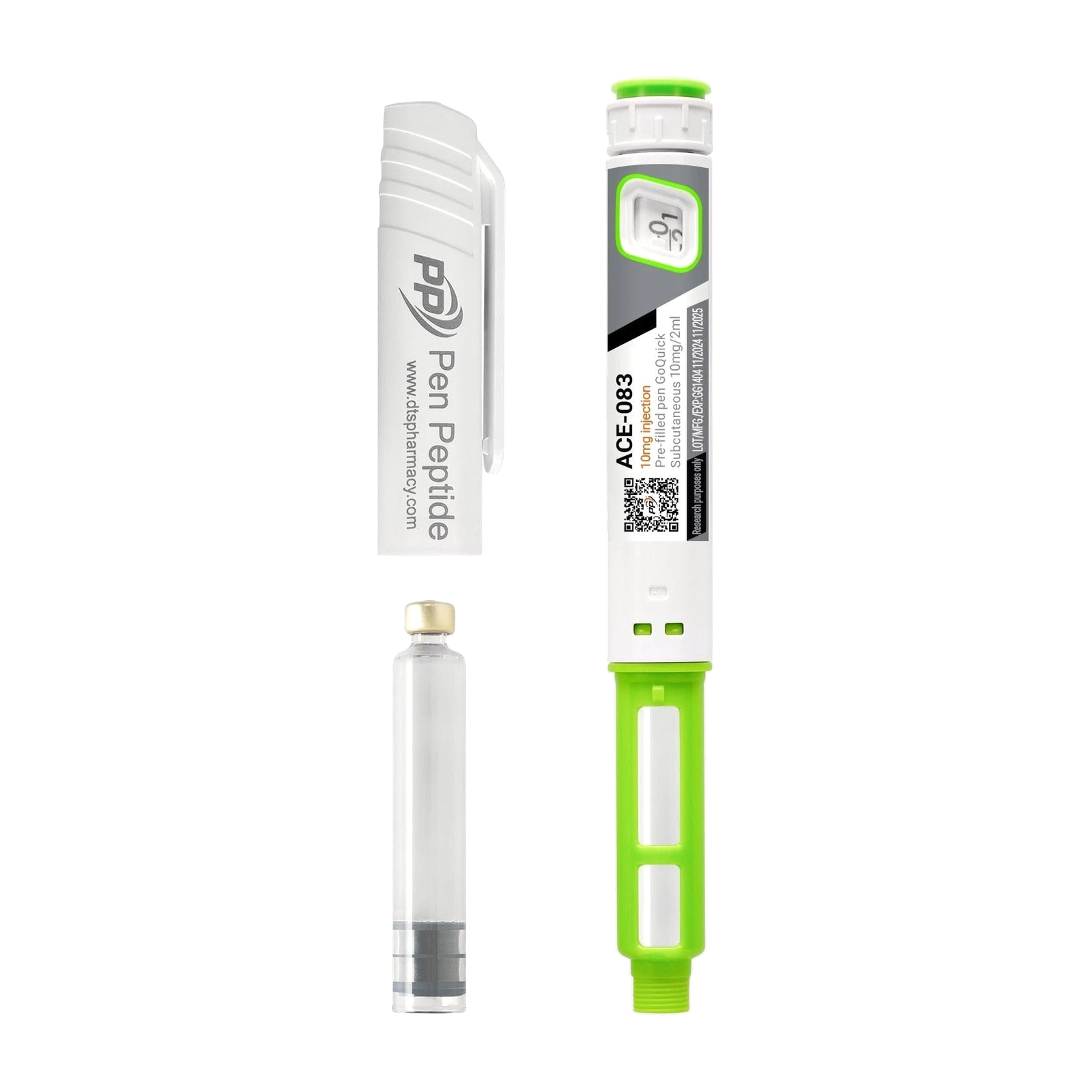
Pre-Filled Pen
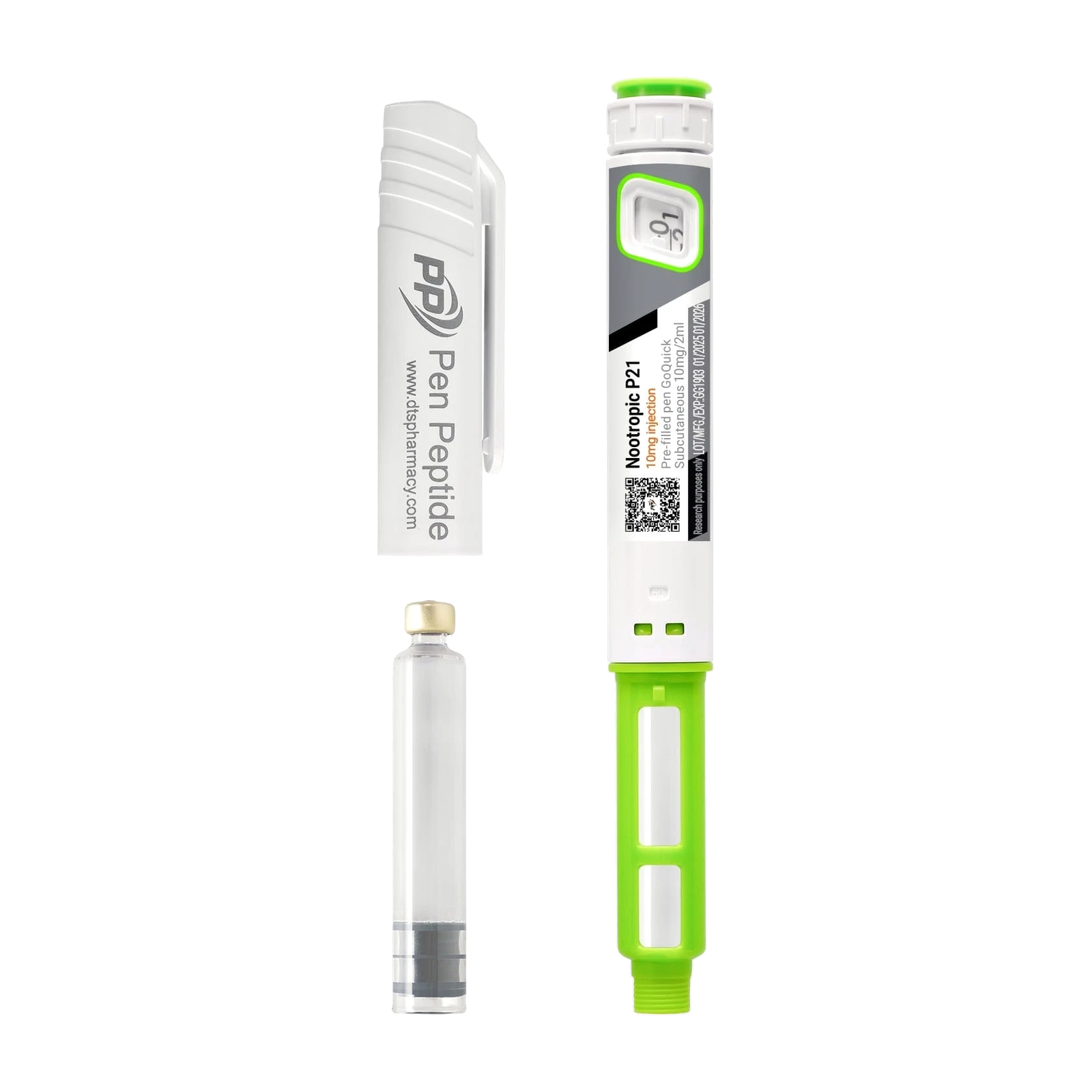
Research use onlyP21 10mg / 2mL
VAT included. Shipping calculated at checkout.
In stock
- ≥99% purity
- HPLC & LC-MS analysed
- Stabilised formula
- The world's first brand of peptides in a pen
Secure delivery
Secure delivery with FedEx within 1–2 business days after payment confirmation
Payment methods
- Bank transfer
What is the P21 peptide?
P21 is a synthetic peptide developed as a derivative of the well-known peptide Cerebrolysin, which is used in neuroscience and in research on cognitive functions. P21 is an advanced fragment created with the aim of achieving greater specificity and stability in nerve tissue.
Interest in P21 is based on its potential neuroprotective and nootropic properties. It is being studied in connection with cognitive health, memory, concentration and the restoration of neuronal functions after stress factors or degenerative changes. Thanks to its structure and mechanism of action, P21 is regarded as a promising peptide in scientific studies on the brain and longevity.
What are the benefits of the P21 peptide?
1. Improved cognitive function
P21 has been studied as a peptide that may potentially support memory, concentration and learning ability. Its influence on neurotrophic factors makes it valuable for research on optimising cognitive activity.
2. Neuroprotective properties
One of the main benefits of P21 lies in protecting neurons from damage caused by oxidative stress, toxins or inflammatory processes. This is particularly relevant for studies on neurodegenerative diseases.
3. Stimulation of neurogenesis
P21 is associated with increased expression of BDNF (Brain-Derived Neurotrophic Factor) – a key factor for the growth and survival of neurons. This is crucial for maintaining neuronal plasticity and adapting to new information.
4. Improved mood and stress resistance
Some data suggest that P21 can modulate neurotransmitter systems associated with stress and emotional balance, which contributes to better psychological resilience.
5. Potential for recovery after brain damage
Studies show that P21 may support recovery processes after neuronal strain or damage by promoting cellular regeneration and stabilising neuronal networks.
6. Role in anti-ageing research
Thanks to its combination of cognitive support, neuroprotection and stimulation of neurogenesis, P21 is regarded as a valuable tool in protocols on healthy ageing and the preservation of brain function.
Mechanism of action of P21:
P21 acts by stimulating the expression of BDNF – a neurotrophic factor that plays a central role in the development, survival and plasticity of neurons. Increased BDNF levels are associated with improved cognitive function, better memory and neuronal protection.
In addition, P21 can regulate gene expression associated with inflammatory and oxidative processes, leading to a reduction in cellular stress. It also supports intercellular communication and helps maintain normal neuronal activity.
Thanks to these mechanisms, P21 is the focus of research on neurodegeneration, cognitive optimisation and recovery from stress-related conditions.
Correct use and dosage of the P21 peptide:
Recommended dosage: 5 units in the morning and 5 units in the evening (twice daily subcutaneously)
1 unit = 50 mcg
Total contents per pen: 200 units (10 mg)
The duration of the cycle may vary depending on the specific condition and the individual requirements of the research protocol.
Research on P21 in various fields:
- Neuroscience – studied for its influence on cognitive functions, memory and concentration.
- Neuroprotection – researched for its potential role in protecting neurons from damage.
- Molecular biology – considered in connection with BDNF expression and the regulation of gene activity.
- Psychoneuroimmunology – its influence on stress adaptation and emotional balance is of interest.
- Gerontology – P21 is the subject of studies on the preservation of cognitive function and healthy ageing.
- Rehabilitation – studied as a tool to support recovery after brain damage.
Possible side effects of P21:
P21 is generally considered well tolerated in research applications. Potential side effects are rare and usually mild:
- Slight redness or irritation at the application site.
- Headache – brief and of low intensity.
- Fatigue – temporary changes in energy levels.
- Slight changes in sleep – temporary and mild.
- Short-term changes in appetite or mood – rare and usually temporary.
Overall, the available data show that P21 has a favourable tolerability profile and can be a valuable tool in research protocols focused on cognitive functions, neurogenesis and longevity.