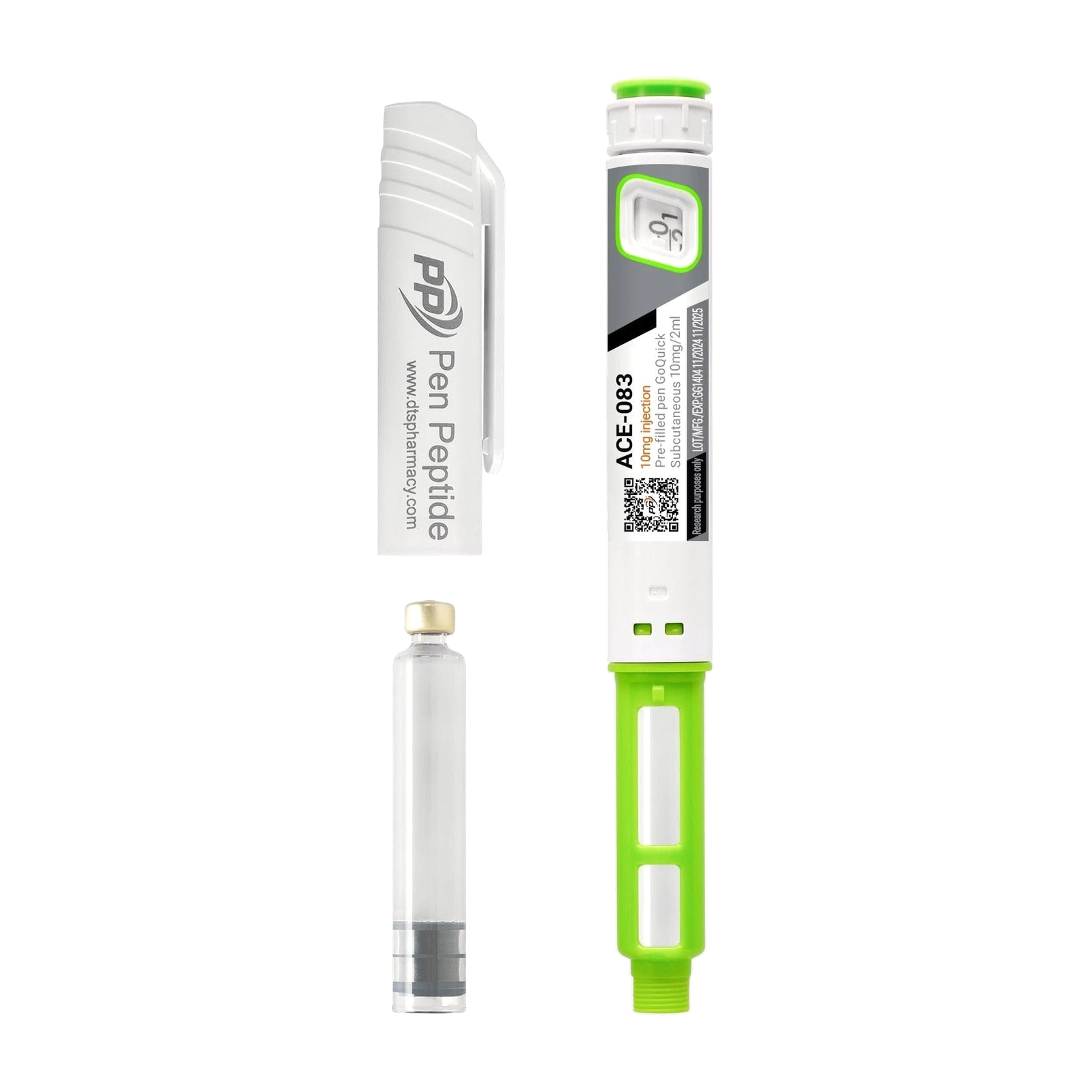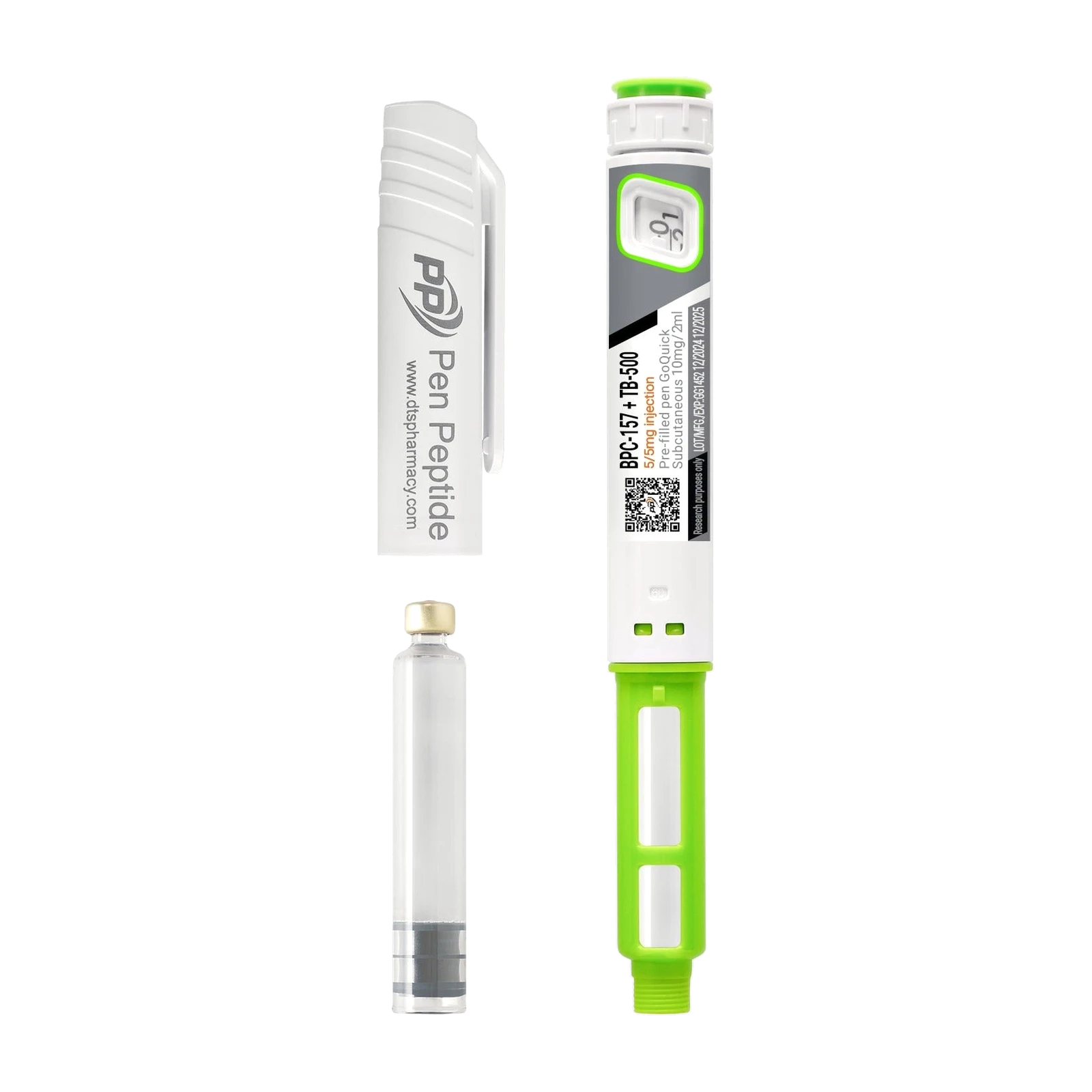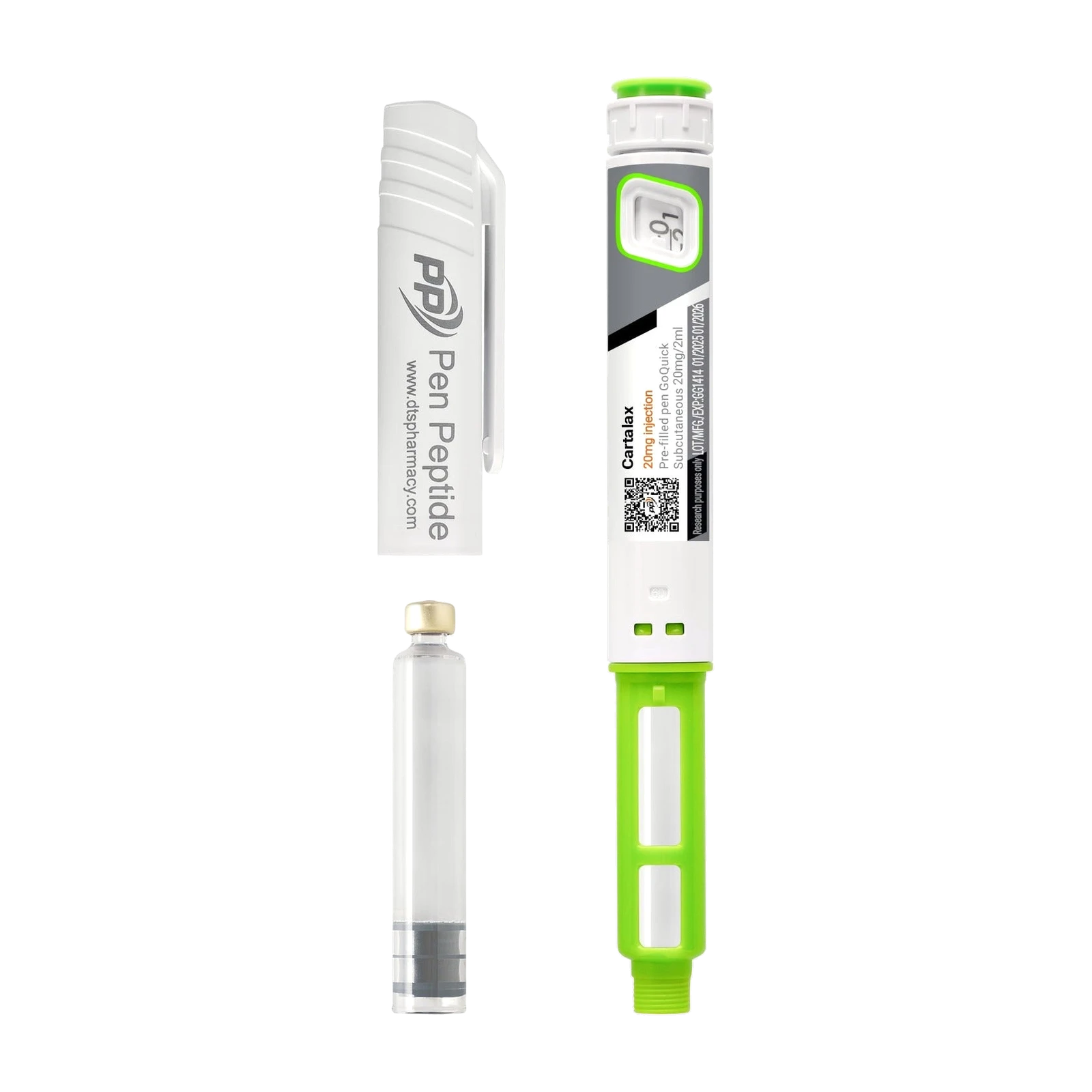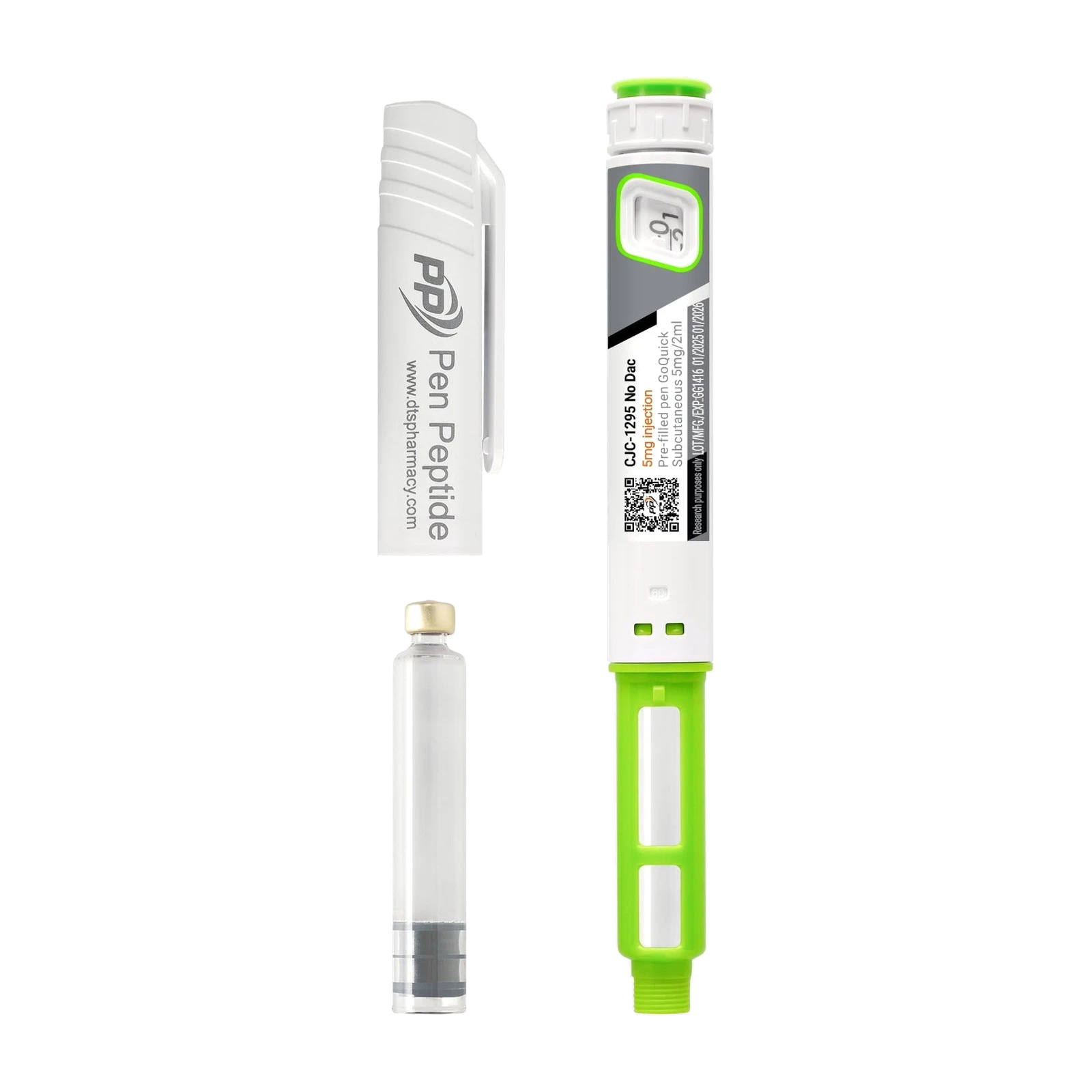
Pre-Filled Pen
Research use onlyMGF (Mechano Growth Factor) 5mg / 2mL
VAT included. Shipping calculated at checkout.
In stock

- ≥99% purity
- HPLC & LC-MS analysed
- Stabilised formula
- The world's first brand of peptides in a pen
Secure delivery
Secure delivery with FedEx within 1–2 business days after payment confirmation
Payment methods
- Bank transfer
What is the MGF peptide?
MGF (Mechano Growth Factor) is an isoform of insulin-like growth factor IGF-1 that is synthesised in muscle tissue in response to mechanical stress or injury. It is known as a “muscle-specific factor” and plays a central role in the regeneration and growth of muscle fibres.
MGF is of particular value in research because it stimulates the activation of satellite cells – stem cells in muscle tissue that are responsible for repairing and building new muscle fibres. Thanks to this function, MGF is regarded as a critical factor for preserving muscle mass, particularly under stress conditions or in the case of tissue damage.
What are the benefits of the MGF peptide?
1. Stimulation of muscle regeneration
MGF activates satellite cells and promotes regeneration processes in the muscles. This makes it a key peptide in research focused on cellular recovery and regeneration.
2. Increase in muscle mass
By activating protein synthesis and stimulating the formation of new muscle tissue, MGF may support hypertrophy and the building of muscle mass.
3. Improved recovery after exertion
MGF is known for shortening recovery time between training sessions or in the case of muscle damage. This is particularly important in exercise physiology research and in studies on muscular adaptation.
4. Support for metabolic function
MGF can influence cellular metabolism and nutrient uptake, thereby supporting energy efficiency in muscle tissue.
5. Potential to prevent muscle atrophy
Studies show that MGF may play a role in slowing down or preventing the loss of muscle mass, which makes it interesting for protocols in gerontology and regeneration research.
6. Role in anti-ageing research
Maintaining muscle function is crucial for healthy ageing. MGF is the focus of research aimed at preserving physical activity and preventing sarcopenia.
Mechanism of action of the MGF peptide:
MGF acts through the local activation of satellite cells in muscle tissue. It is responsible for initiating processes of cell division and regeneration in response to mechanical stress or damage.
Unlike IGF-1, which has a broader systemic effect, MGF is a local isoform with a more specific role in the muscles. It activates signalling pathways associated with growth and regeneration, including PI3K-Akt, which regulate protein synthesis and cell survival.
Thanks to these mechanisms, MGF is a valuable tool in research focused on muscle regeneration and adaptation to physical exertion.
Correct use and dosage of MGF:
Recommended dosage: 8 to 14 units once daily subcutaneously
1 unit = 25 mcg
Total contents per pen: 200 units (5 mg)
The duration of the cycle may vary depending on the specific condition and the individual requirements of the research protocol.
Research on the MGF peptide in various fields:
- Muscle physiology – MGF is being extensively researched for its role in muscle growth and regeneration.
- Sports science – the focus is on its influence on adaptation to physical exertion.
- Gerontology – its potential to protect against sarcopenia and muscle atrophy in old age is of interest.
- Molecular biology – studied in connection with the activation of signalling pathways responsible for cellular regeneration.
- Rehabilitation medicine – its potential to support recovery after injuries or operations is being analysed.
- Metabolic research – its influence on nutrient uptake and energy metabolism is of interest.
Possible side effects of the MGF peptide:
MGF is generally considered well tolerated within research protocols. Potential side effects are rare and usually mild:
- Slight redness or irritation at the application site.
- Headache – brief and of low intensity.
- Fatigue – temporary changes in energy levels in some users.
- Slight changes in sleep – temporary and usually rare.
- Changes in appetite – mild and short-lived.
Overall, the available data show that MGF has a favourable tolerability profile and is a valuable tool for research focused on muscle regeneration, recovery and healthy ageing.
From the blog

What is Follistatin 344 ?
Learn everything about Follistatin 344 – a key peptide in biomedicine and sports science, with the potential to enhance muscle growth.
Read more →
What is AICAR?
Learn what AICAR is, a peptide with potential benefits for health and sports. Discover its key functions here.
Read more →