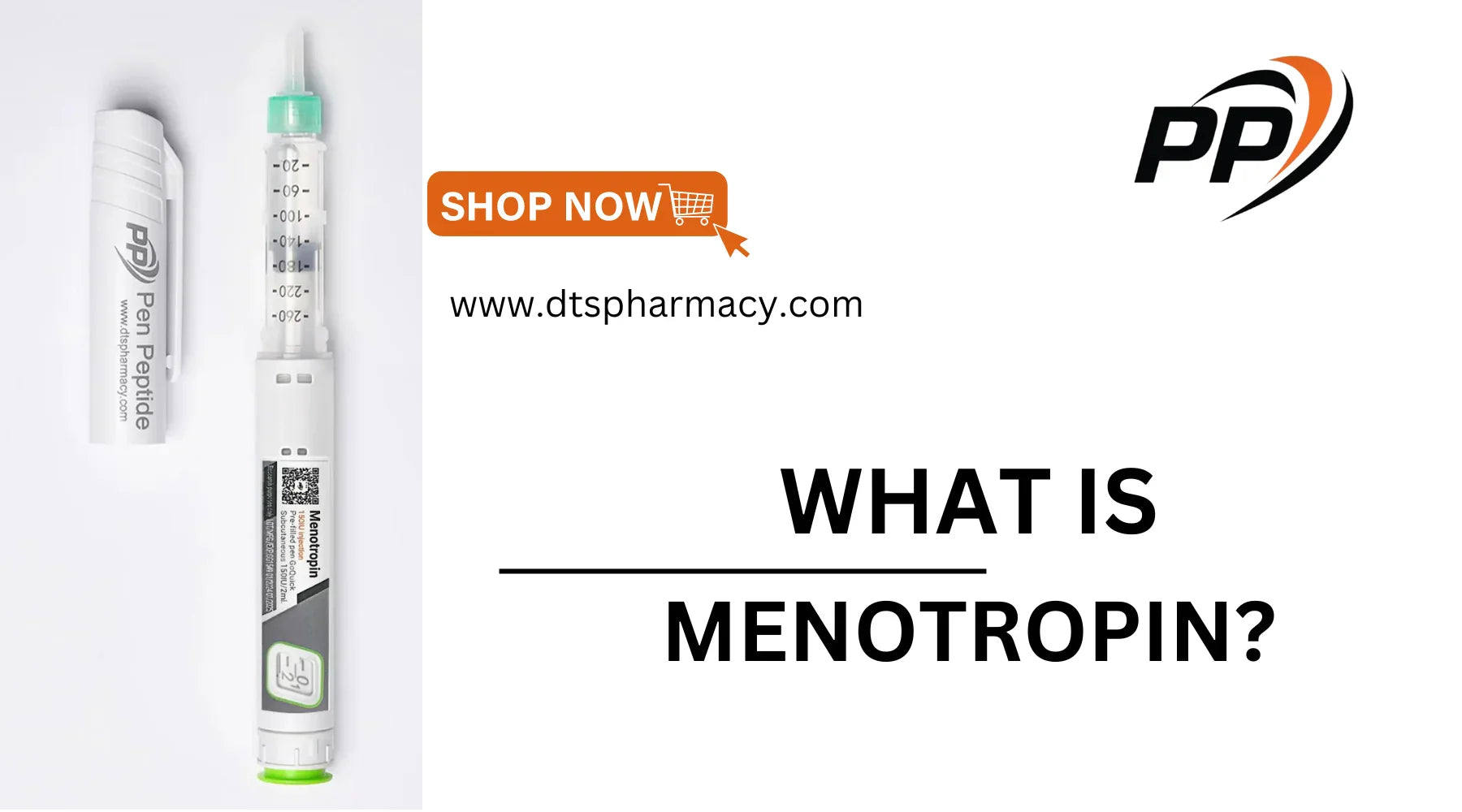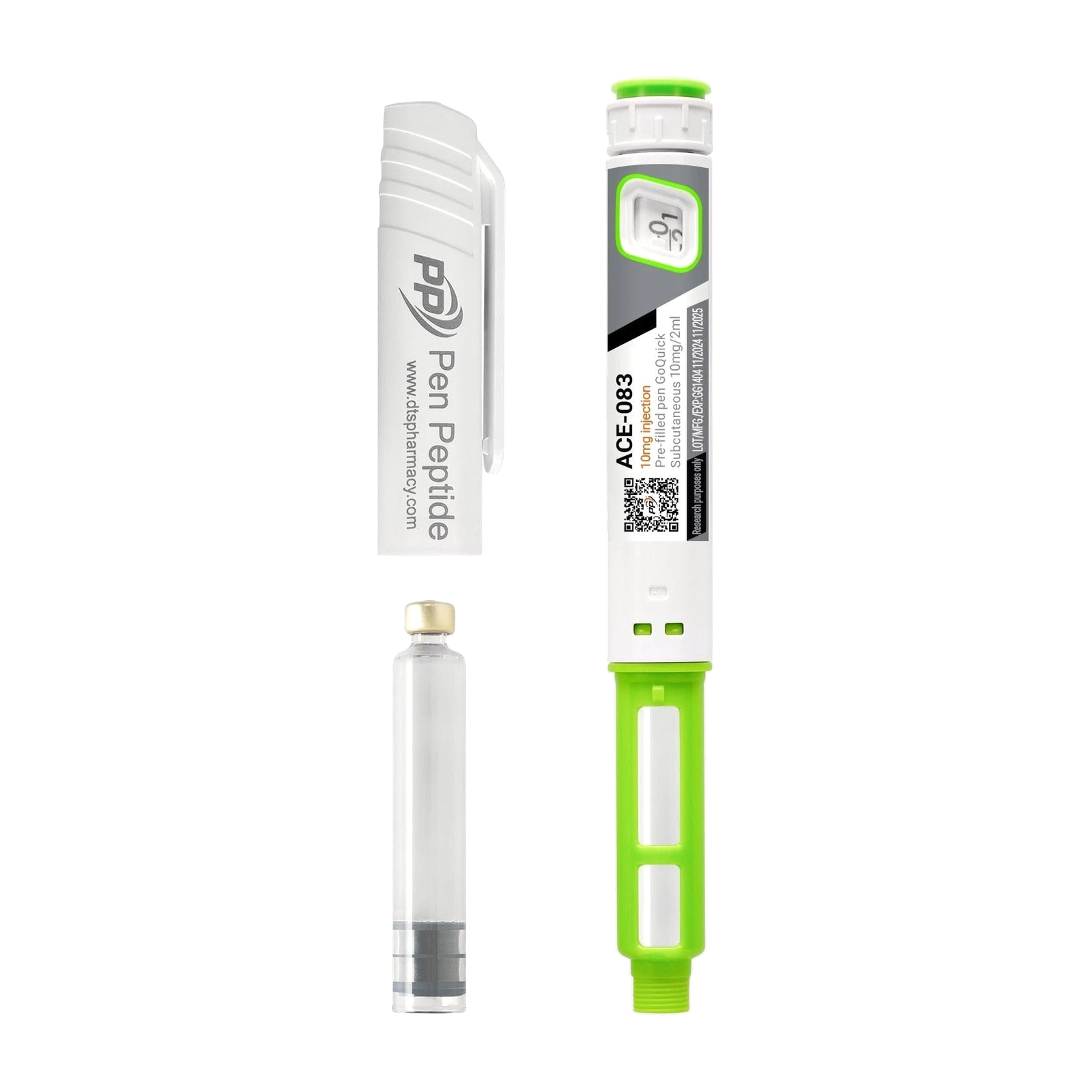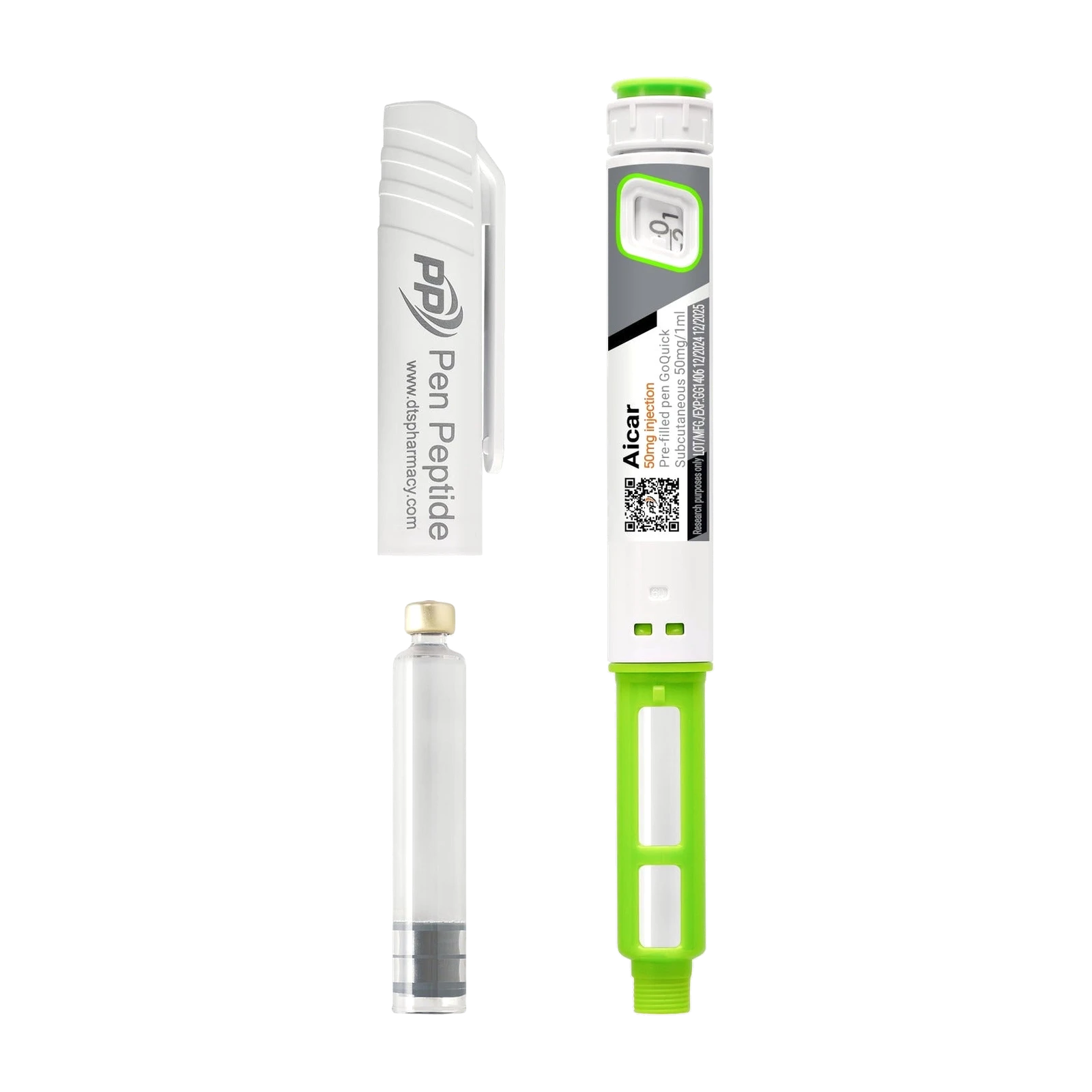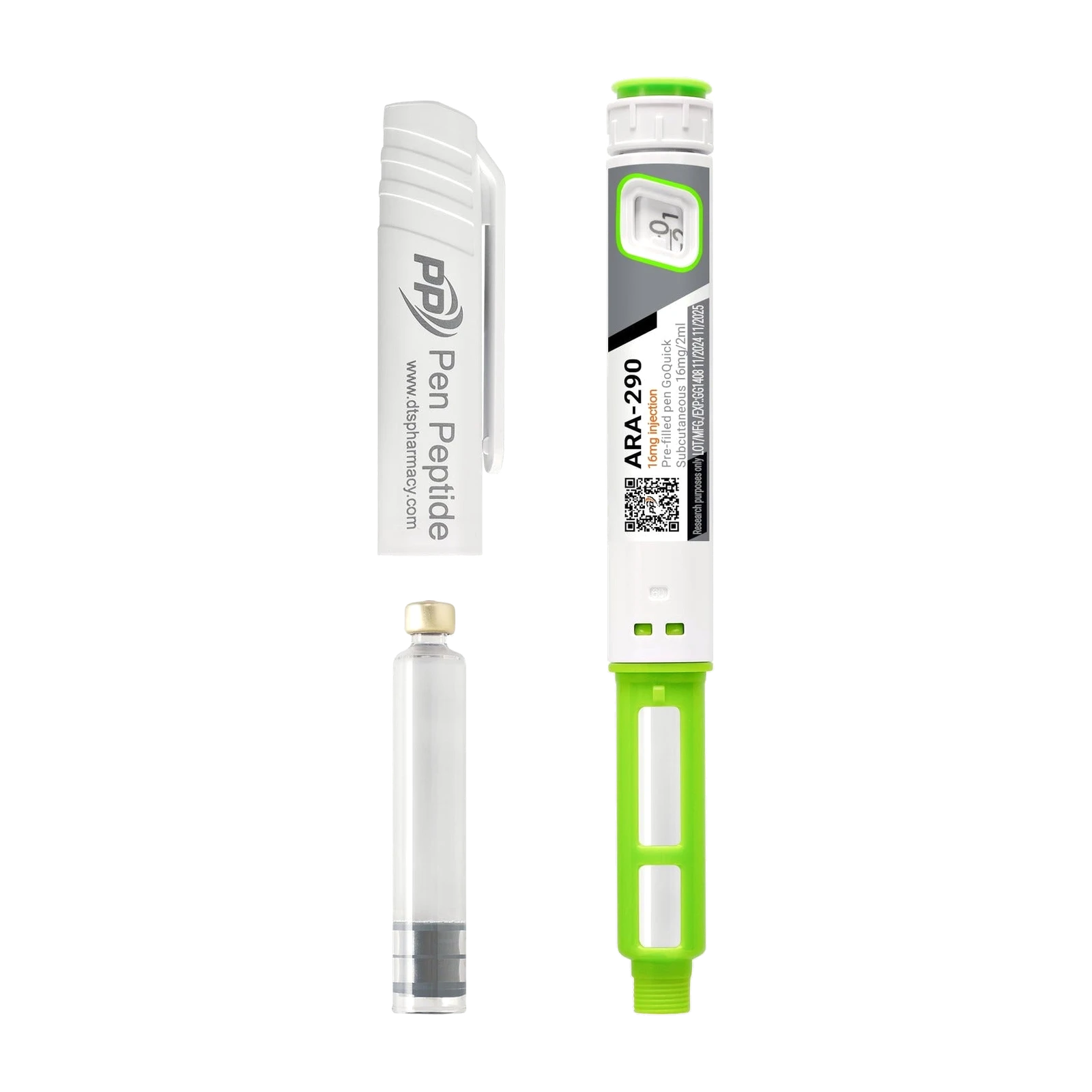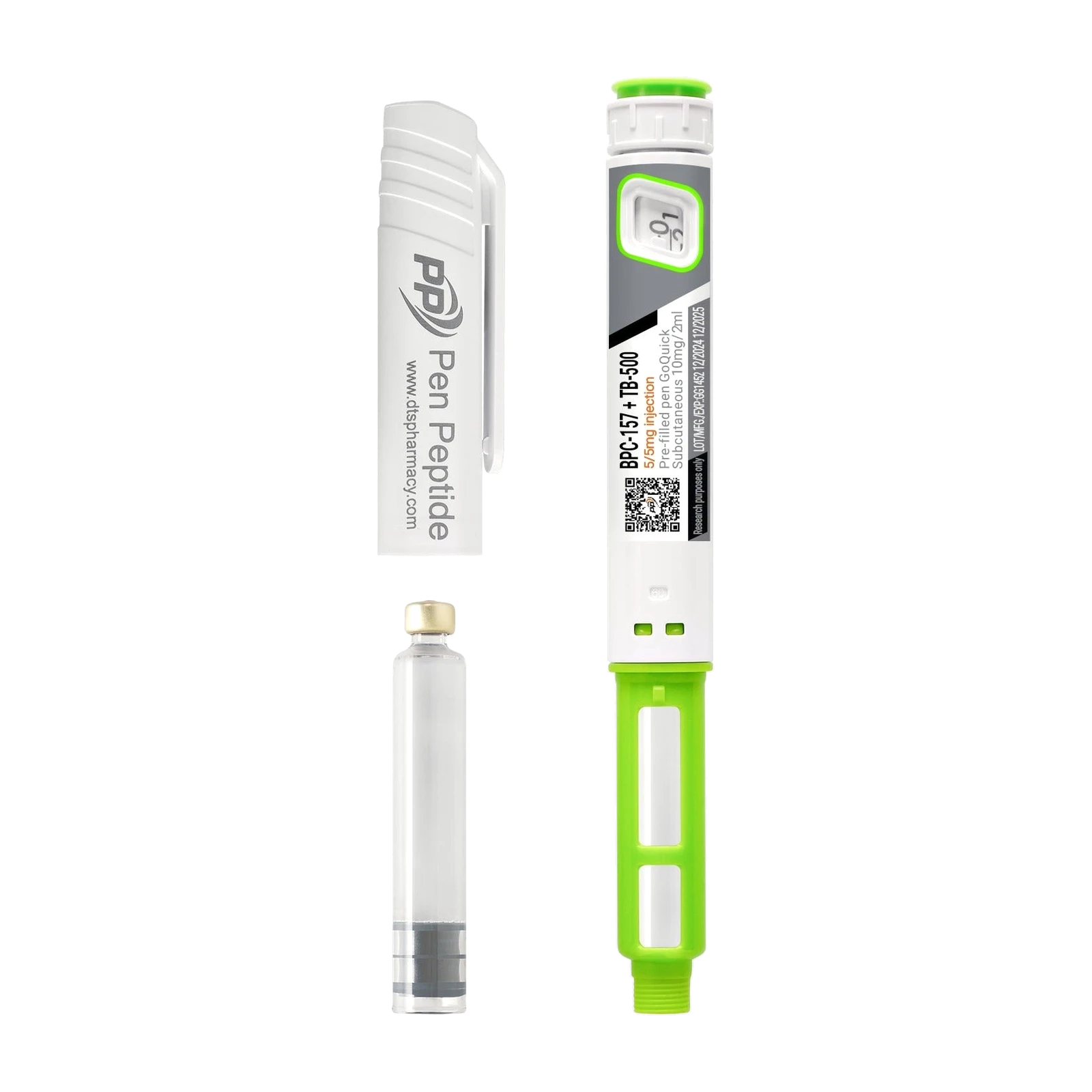
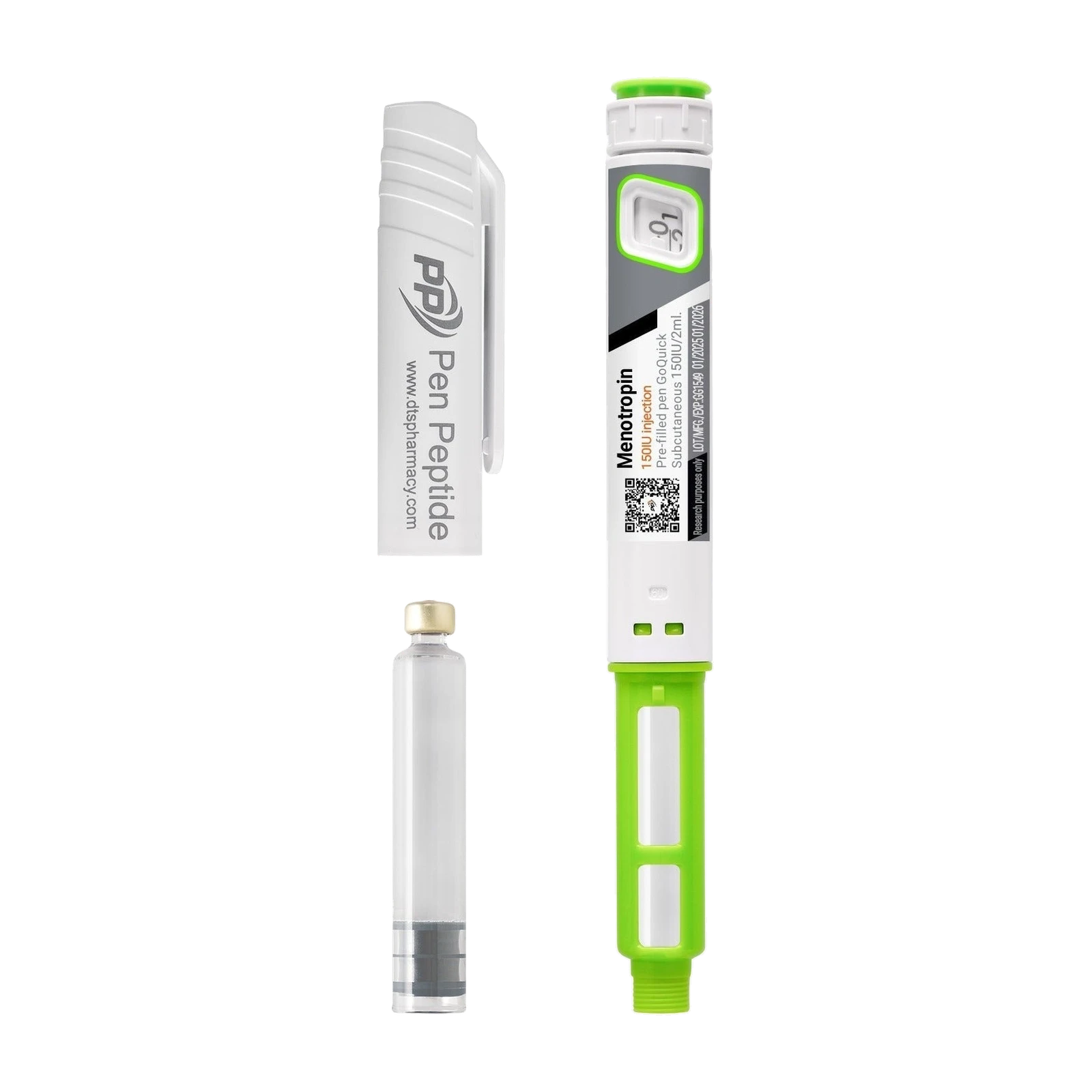
Pre-Filled Pen
Research use onlyMenotropin 150IU / 2mL
VAT included. Shipping calculated at checkout.
In stock
- ≥99% purity
- HPLC & LC-MS analysed
- Stabilised formula
- The world's first brand of peptides in a pen
Secure delivery
Secure delivery with FedEx within 1–2 business days after payment confirmation
Payment methods
- Bank transfer
What is Menotropin?
Menotropin is a medicinal substance and peptide complex that is obtained from the urine of postmenopausal women or produced using recombinant technologies. It contains a combination of two main hormones – follicle-stimulating hormone (FSH) and luteinising hormone (LH). These gonadotropins play a central role in regulating reproductive function in women and men.
Menotropin is used as a research tool to gain a better understanding of folliculogenesis, ovulation and spermatogenesis. Because of its direct action on the gonads, it is a valuable subject for scientific protocols in endocrinology and reproductive medicine.
What are the benefits of Menotropin?
1. Stimulation of folliculogenesis
Menotropin activates the growth and development of the follicles in the ovaries. This makes it a key tool in studies of ovarian function and ovulation induction.
2. Improvement of ovulation
Through the combined action of FSH and LH, Menotropin supports the ovulation process, which is of crucial importance for scientific investigations into female reproductive health.
3. Support of spermatogenesis
In men, Menotropin can stimulate the Sertoli and Leydig cells, thereby promoting the processes of spermatogenesis as well as testosterone production. This is important for research approaches concerning male fertility status.
4. Regulation of hormonal balance
Menotropin delivers a direct hormonal signal to the gonads and supports the balance between FSH and LH. This is a key factor for the normal functioning of the reproductive system.
5. Improvement of the endocrine response
Menotropin is also regarded as a means of studying the response of the endocrine system to stimulation with gonadotropins.
6. Potential for use in anti-ageing protocols
Maintaining normal gonadal function and a balanced hormonal profile is also of importance in studies of healthy ageing.
Mechanism of action of Menotropin:
The mechanism of action of Menotropin is based on its FSH and LH content:
- Follicle-stimulating hormone (FSH) stimulates the growth and development of the ovarian follicles in women and, in men, activates the Sertoli cells, which support spermatogenesis.
- Luteinising hormone (LH) supports the final maturation of the follicles, triggers ovulation and, in men, stimulates the Leydig cells to produce testosterone.
By combining these two hormones, Menotropin acts directly on the gonads and activates processes associated with reproductive function and hormonal regulation.
Correct use and dosage of Menotropin:
The dosage is determined individually according to the specific goal and can vary between 35 and 150 IU daily over a period of 5 to 15 days. One pen contains a total of 150 IU.
Research on Menotropin in various fields:
- Reproductive medicine – main focus on the stimulation of ovulation and spermatogenesis.
- Endocrinology – studied because of its role in the regulation of sex hormones.
- Gerontology – considered in connection with maintaining hormonal balance with advancing age.
- Molecular biology – the interaction with FSH and LH receptors is of interest.
- Andrology – studied in connection with the stimulation of testosterone production and male fertility.
- Gynaecology – researched as a tool for studying ovarian function and ovulation.
Possible side effects of Menotropin:
Menotropin is generally well tolerated in research use. Possible side effects are rare but may include the following:
- Mild redness or irritation at the application site.
- Headache – short-lived and mild.
- Fluid retention – in rare cases.
- Mood swings – temporary and transient.
- Abdominal pain or bloating – possible particularly in women during the stimulation phase.
- Fatigue – short-lived and usually mild.
Overall, the available data indicate that Menotropin has a good tolerability profile and is a valuable tool in research into reproductive function and hormonal balance.