Nasal spray
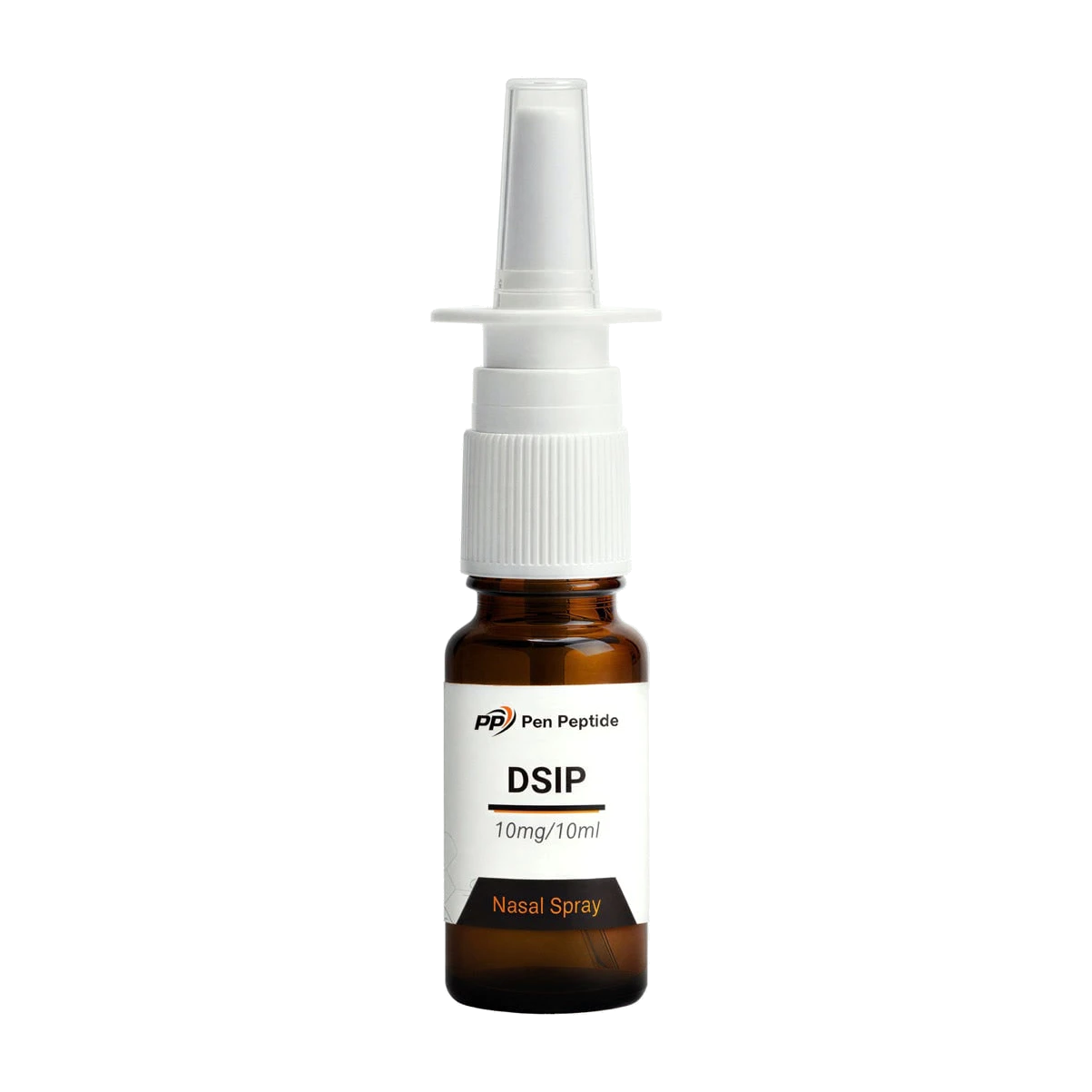
Research use onlyDSIP 10mg / 10mL
VAT included. Shipping calculated at checkout.
In stock
- ≥99% purity
- HPLC & LC-MS analysed
Secure delivery
Secure delivery with FedEx within 1–2 business days after payment confirmation
Payment methods
- Bank transfer
What is DSIP nasal spray?
DSIP nasal spray contains the peptide DSIP (Delta Sleep-Inducing Peptide) in a ready-to-use nasal solution with a concentration of 10 mg/10 ml. DSIP is a neuropeptide that has attracted the interest of the scientific community for decades and is being studied in various research projects relating to sleep, circadian rhythms and the mechanisms of neurochemical regulation in the central nervous system.
In the scientific literature, DSIP is frequently mentioned as a compound of interest for research into sleep and wake processes, the recovery of the organism and the interaction between different neurochemical systems. For this reason, it appears regularly in laboratory publications and experimental models focused on the study of sleep, neurobiology and physiological recovery mechanisms.
Each vial contains a ready-to-use solution providing approximately 85 sprays.
Technical information
| Parameter | Value |
| Active substance | DSIP (Delta Sleep-Inducing Peptide) |
| Form | Nasal spray |
| Packaging | Vial with nasal applicator |
| Intended use | Laboratory and research purposes |
Concentration and contents
- Active substance: DSIP – 10 mg
- Total volume: 10 ml
- Approximately 85 sprays per vial
- Approximately 118 mcg of DSIP per spray
Storage
Store in the refrigerator at a temperature between 2°C and 8°C. Protect from direct sunlight, moisture and sources of heat. Do not freeze. After opening, keep the product tightly closed.
From the blog
What is DSIP (Delta Sleep Inducing Peptide) ?
Learn more about DSIP (Delta Sleep Inducing Peptide) and its potential benefits for improving sleep quality.
Read more →
What are peptides?
Explore the fascinating world of peptides! Learn about their crucial roles in biology, health, and medicine, and how they’re revolutionizing treatments.
Read more →