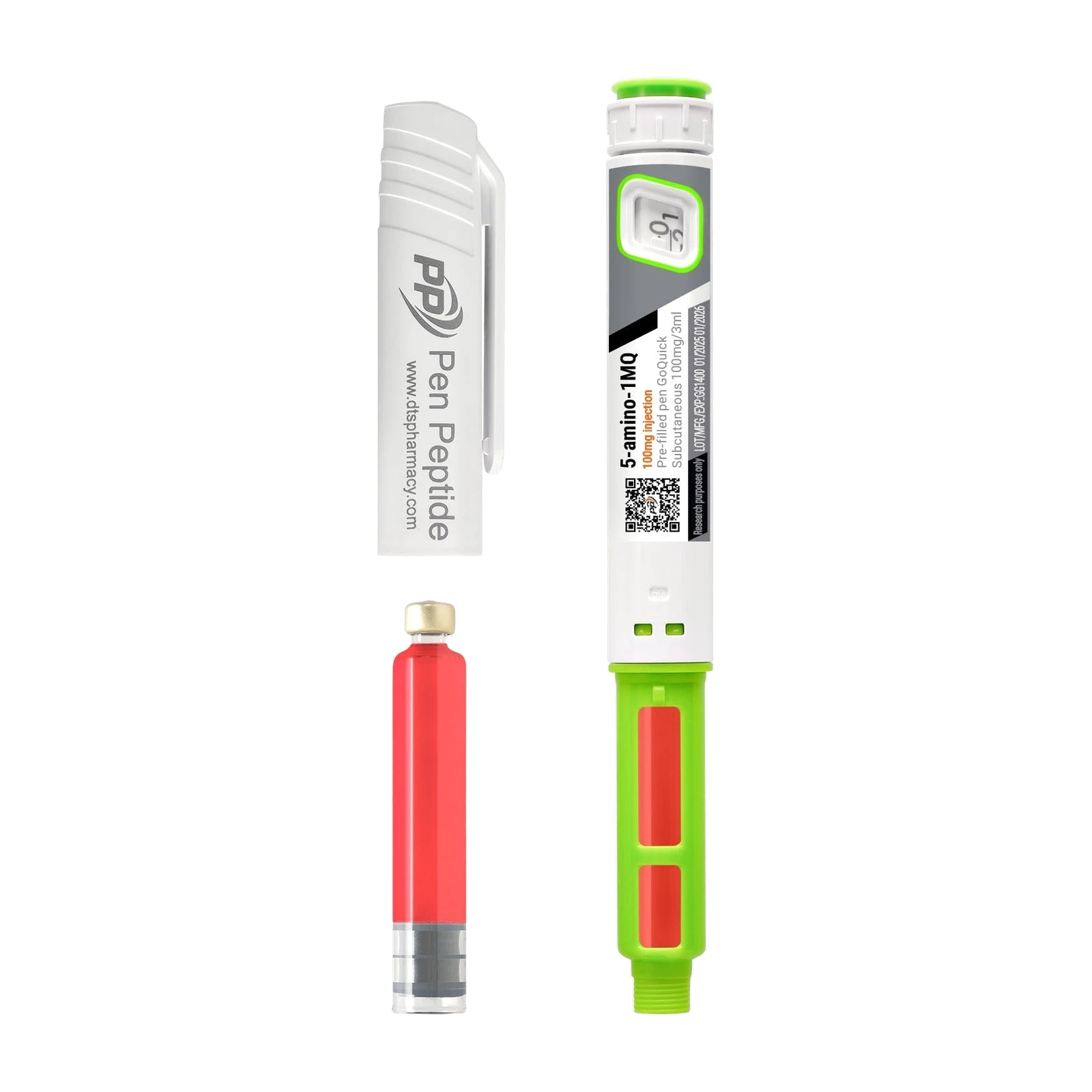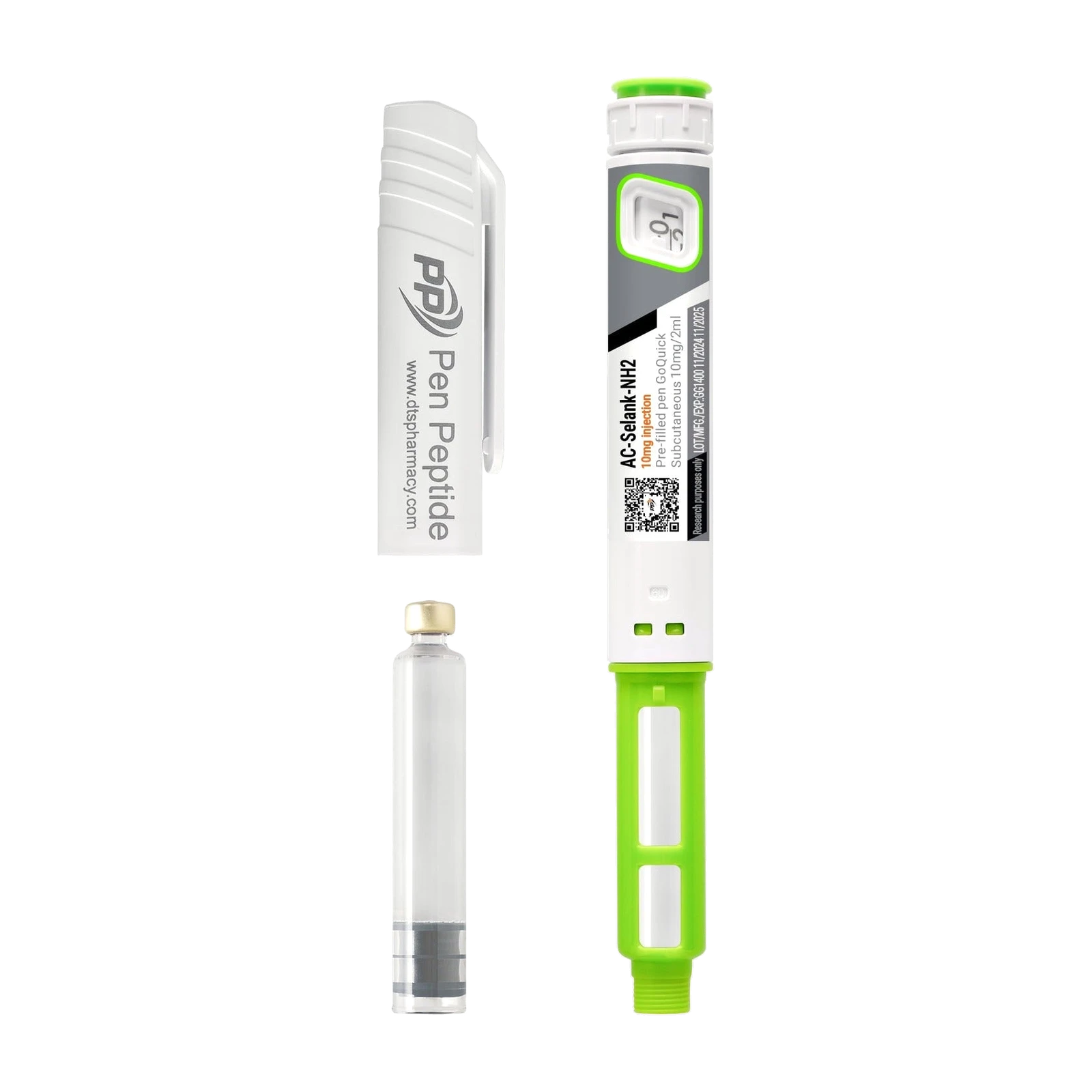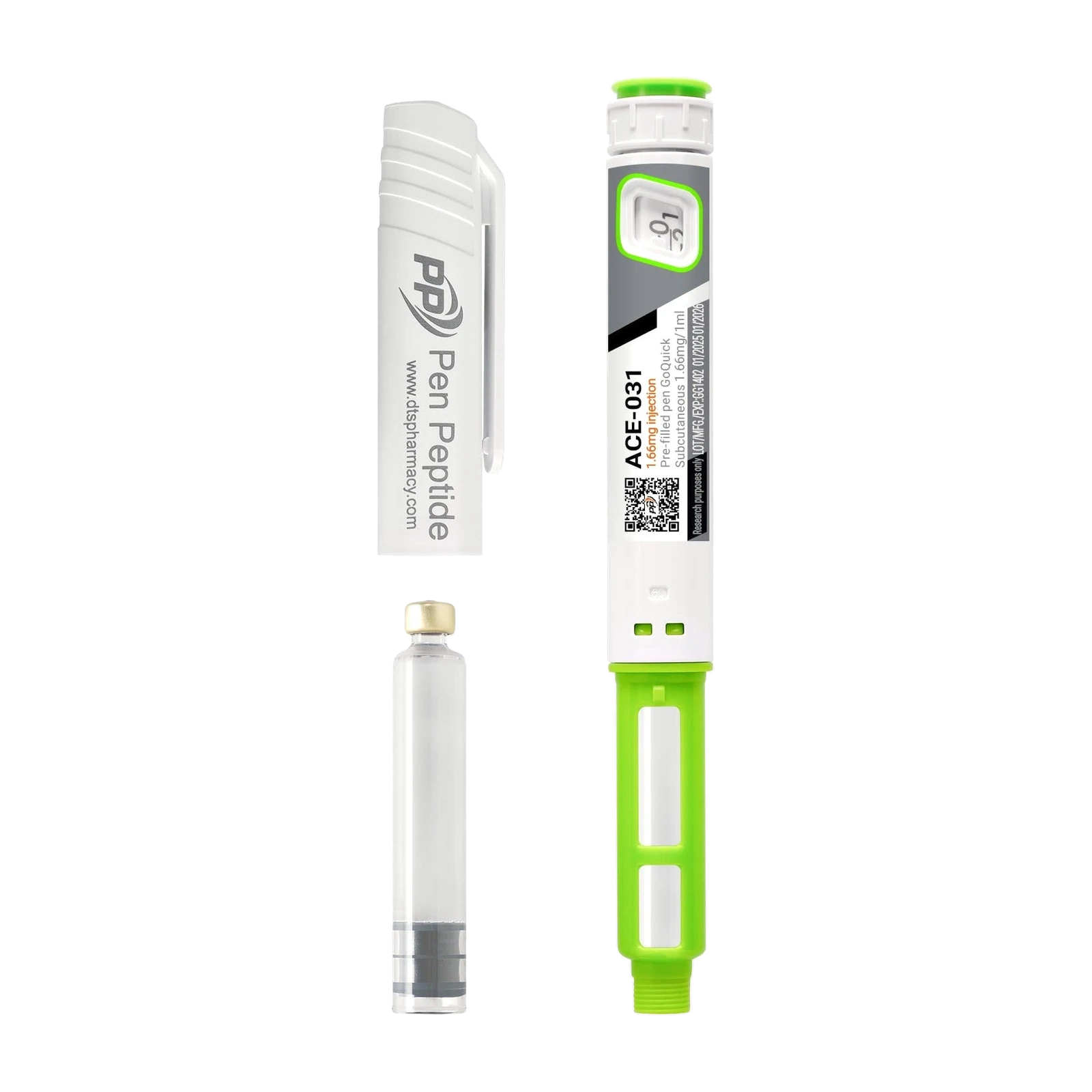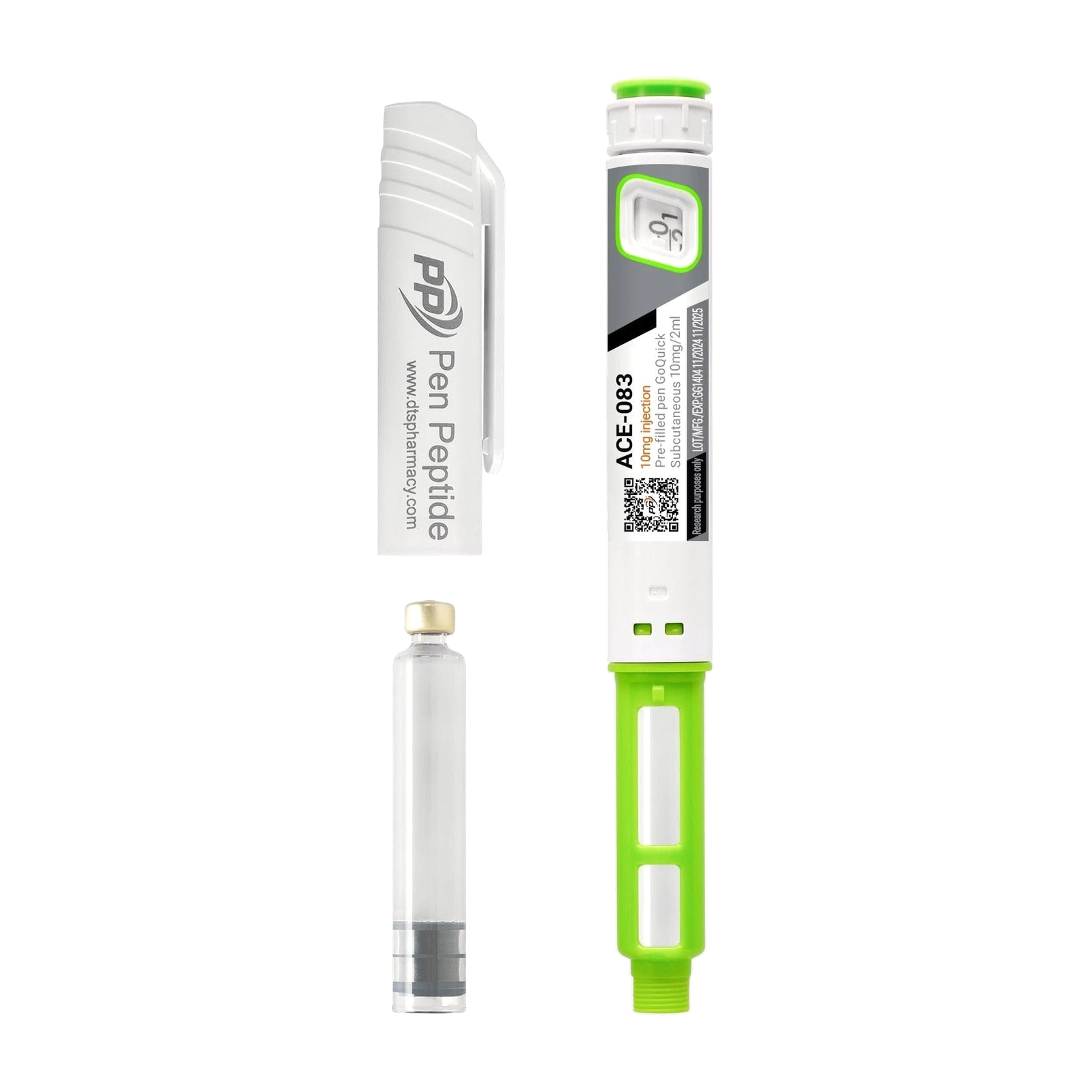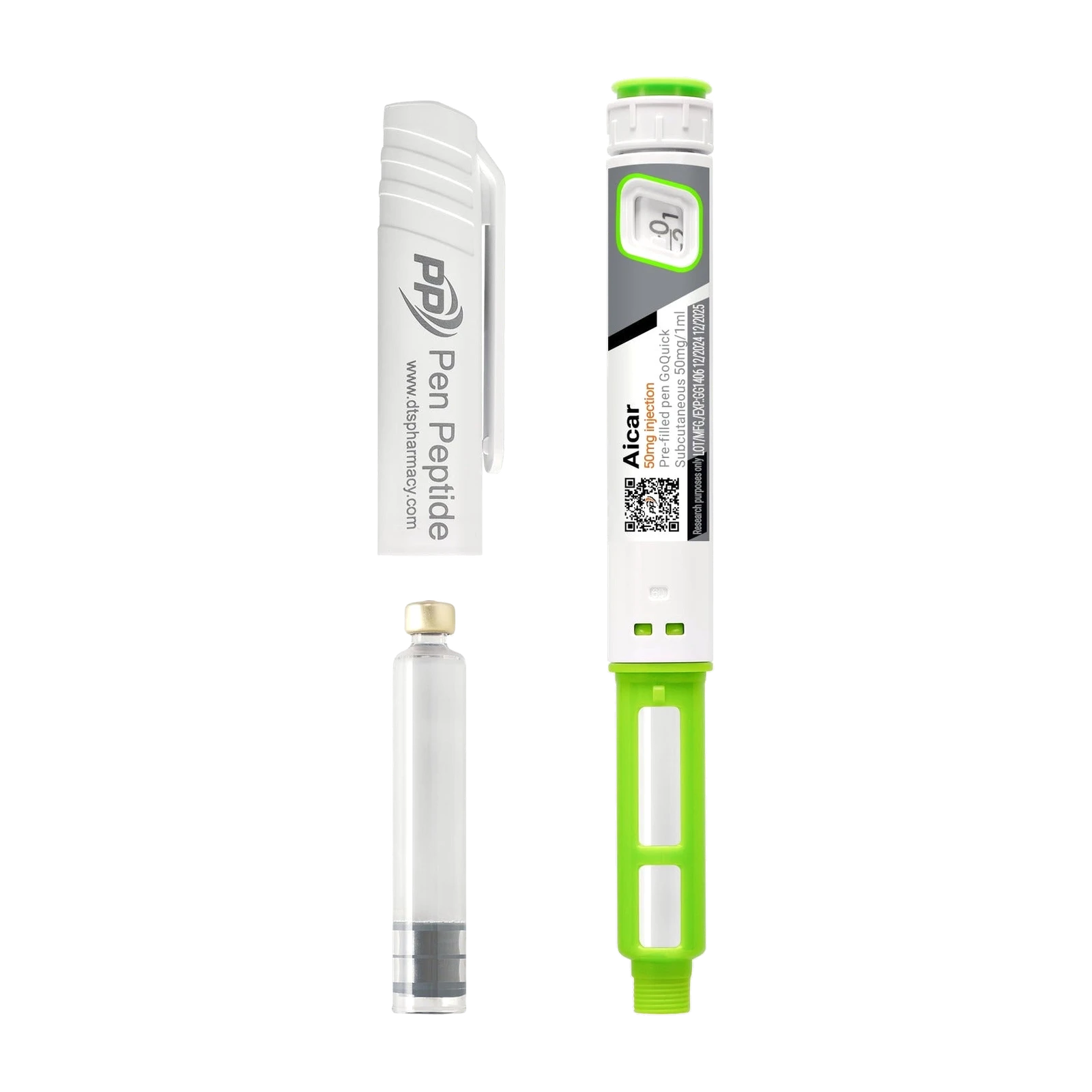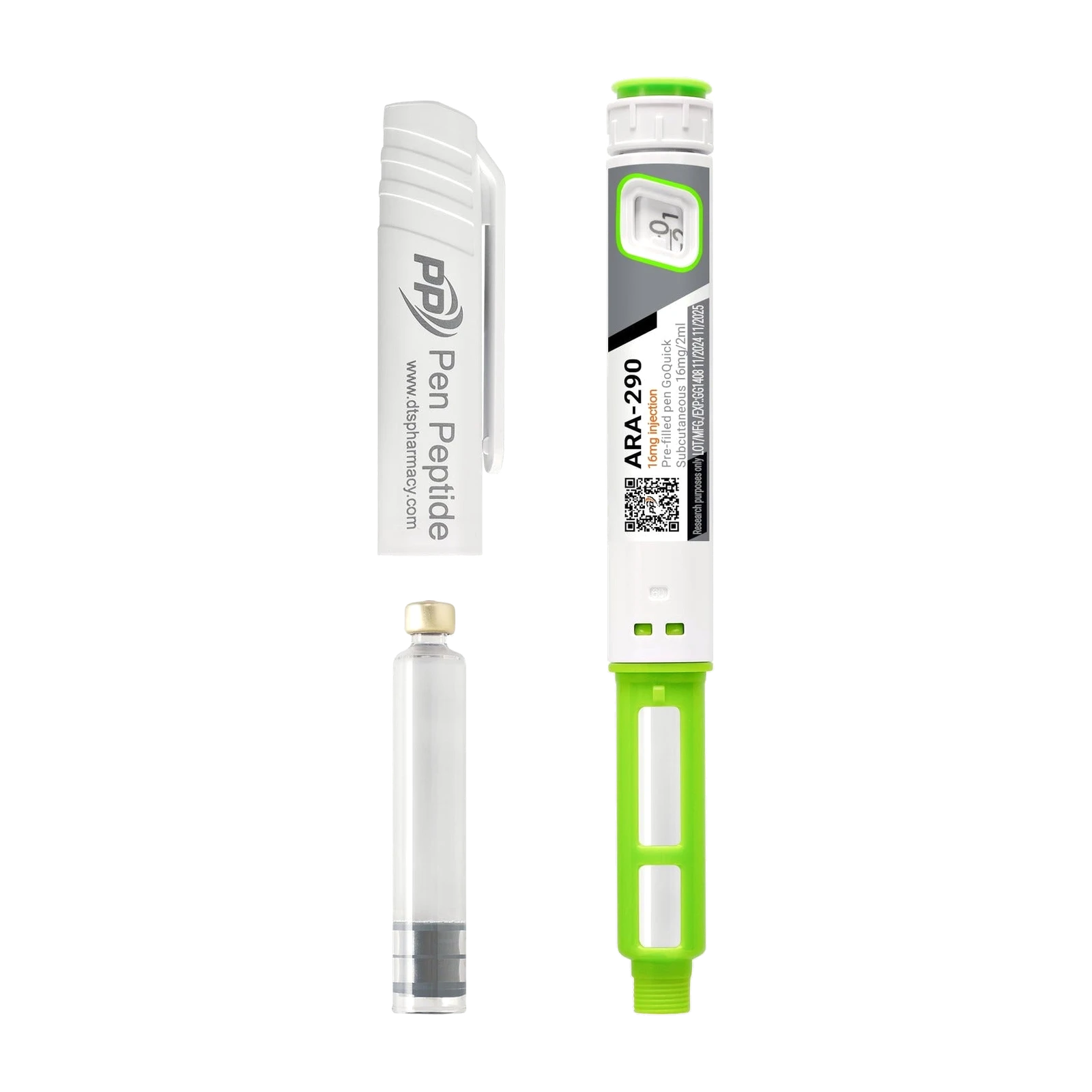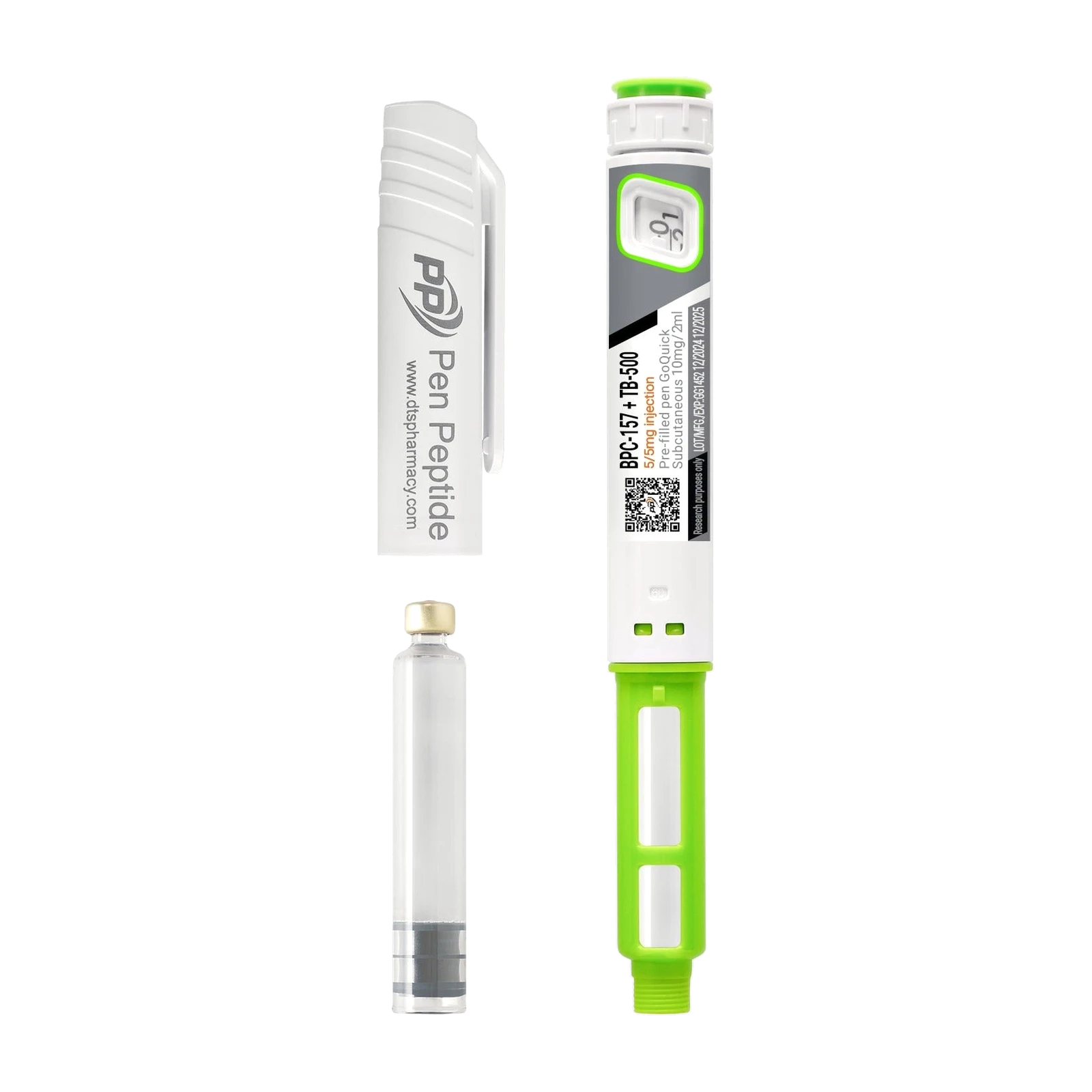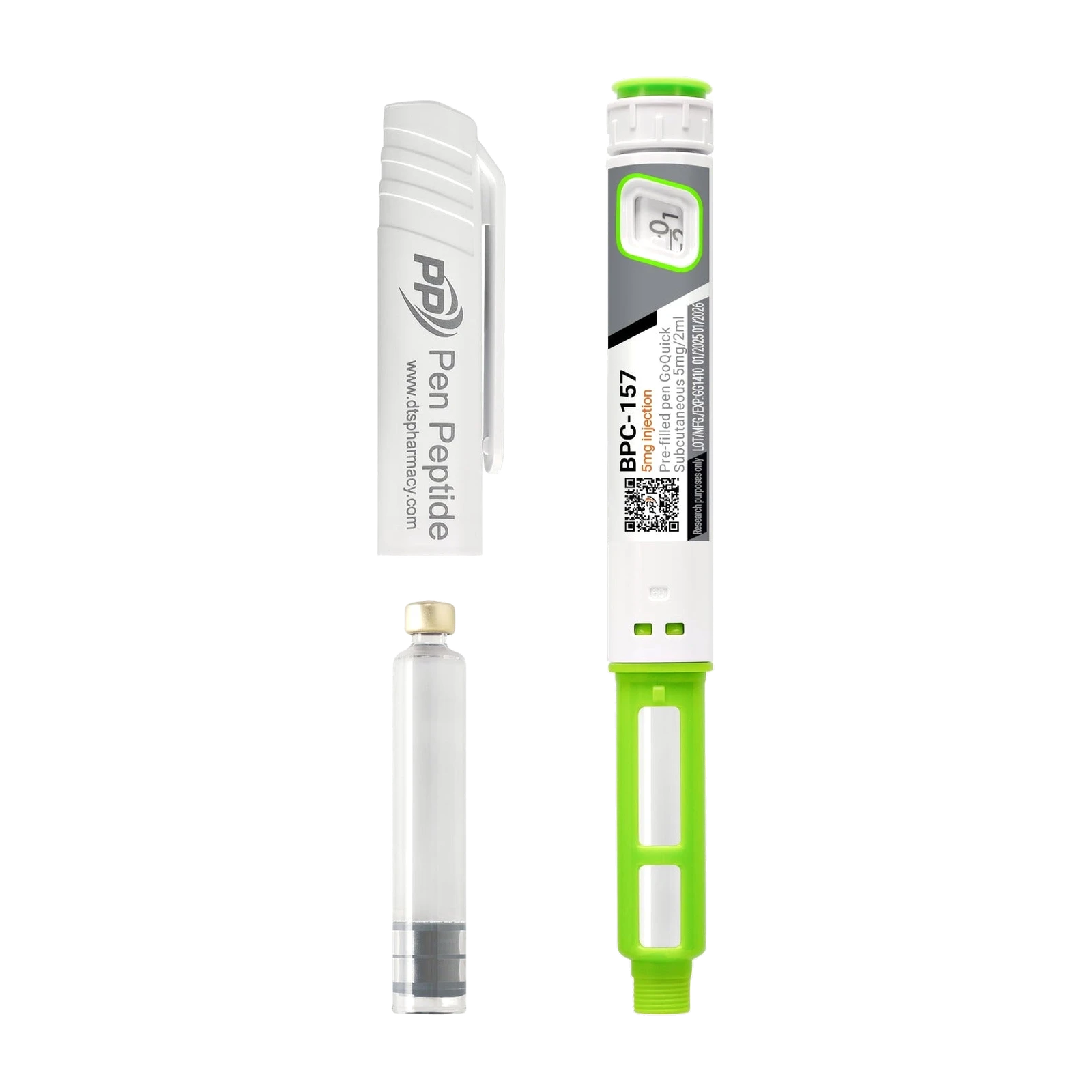
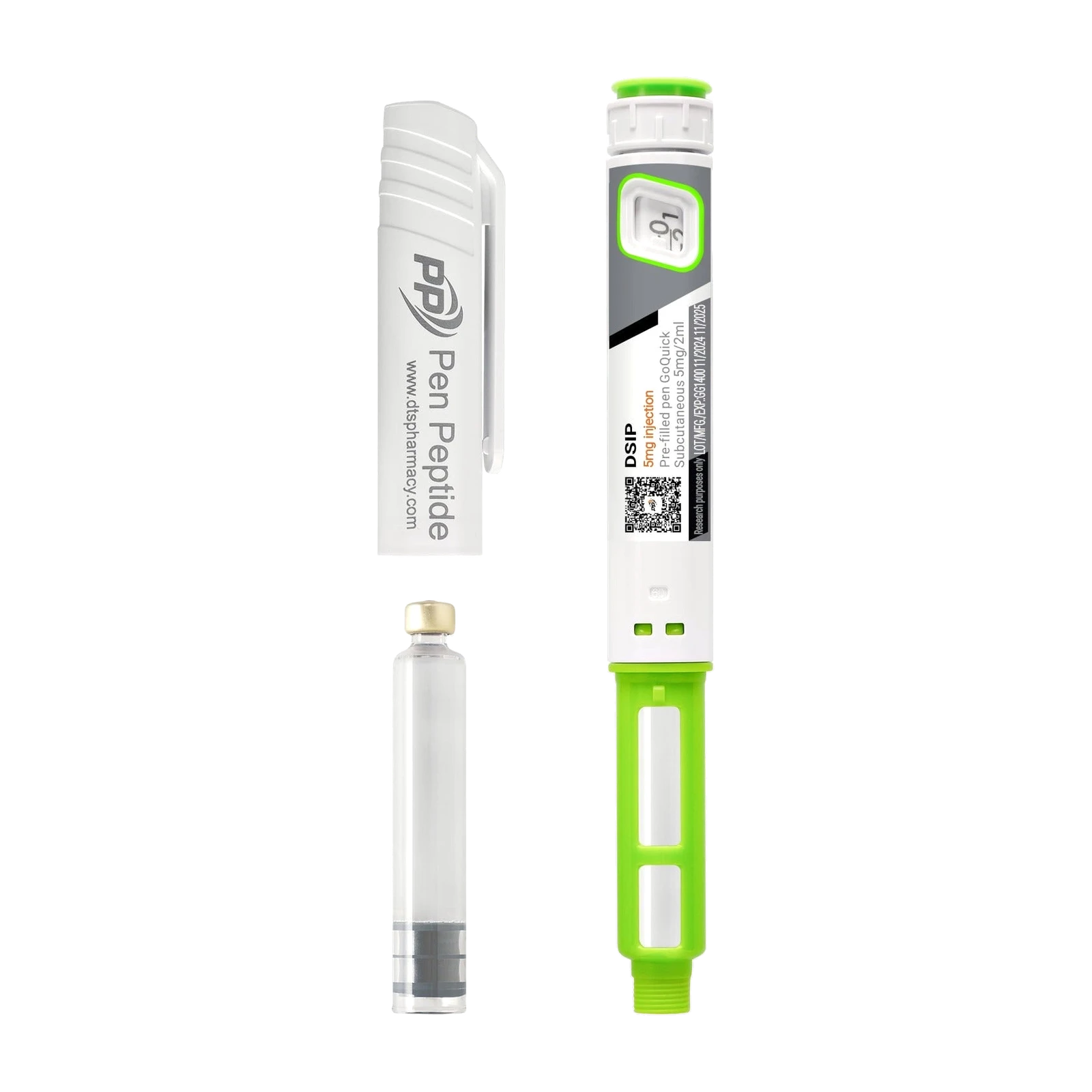
Pre-Filled Pen
Research use onlyDSIP (Delta Sleep-Inducing Peptide) 5mg / 2mL
VAT included. Shipping calculated at checkout.
In stock
- ≥99% purity
- HPLC & LC-MS analysed
- Stabilised formula
- The world's first brand of peptides in a pen
Secure delivery
Secure delivery with FedEx within 1–2 business days after payment confirmation
Payment methods
- Bank transfer
What is Delta Sleep-Inducing Peptide (DSIP)?
Delta Sleep-Inducing Peptide (DSIP) is a naturally occurring neuropeptide that was first isolated in the 1970s. It consists of nine amino acids and is classified as an oligopeptide. As its name suggests, DSIP is associated with the regulation of sleep – in particular the deep delta sleep phases, which are crucial for high-quality recovery and regeneration of the body.
DSIP was discovered in the hypothalamus and is considered an important factor in neuroendocrine regulation. Because of its broad spectrum of effects on the central nervous system and endocrine function, this peptide is the subject of intensive scientific research.
What are the benefits of DSIP?
Delta Sleep-Inducing Peptide is being studied for its wide range of potential applications. The main benefits include:
1. Improved sleep quality
The best-known effect of DSIP concerns sleep regulation. It helps the body reach deep sleep phases (delta waves), which are the most important for physical regeneration. This makes it particularly relevant in studies on sleep disorders and the optimisation of circadian rhythms.
2. Regulation of hormonal balance
DSIP can influence the secretion of certain hormones, including corticotropin and melatonin. This makes it an important subject of research in the fields of stress, regeneration and endocrine regulation.
3. Support for stress adaptation
The peptide is being studied as a potential modulator of the body's stress response. Through its effect on the central nervous system, DSIP may increase adaptability and reduce the negative effects of chronic stress.
4. Potential to regulate pain sensitivity
Some experimental data suggest that DSIP may be involved in modulating the pain threshold by acting on certain neurotransmitter pathways. This makes it of interest in studies on chronic pain syndromes.
5. Support for the immune system
There is evidence that DSIP may play a role in balancing the immune system – an important factor in chronic inflammation and fatigue syndromes.
6. Potential antioxidant properties
Several studies suggest that DSIP may help neutralise free radicals, which supports cellular health and healthy ageing.
Mechanism of action of DSIP:
The mechanism of action of DSIP is complex and not yet fully understood. It is known, however, that the peptide crosses the blood-brain barrier and interacts with various neurotransmitter systems, including the GABAergic and serotonergic systems.
- Regulation of sleep: DSIP promotes the activation of delta waves during sleep – the deepest and most restorative phase.
- Endocrine function: it influences the secretion of melatonin and corticotropin, thereby modulating the stress axis and circadian rhythms.
- Neuroprotection: DSIP is believed to have a protective effect on nerve cells by reducing oxidative stress and supporting neuronal communication.
Correct use and dosage of DSIP:
Recommended dose: 10 to 18 units once daily subcutaneously
1 unit = 25 mcg
Total contents per pen: 200 units (5 mg)
The duration of the cycle may vary depending on the specific condition and individual needs within the research protocol.
Research on DSIP in various fields:
Delta Sleep-Inducing Peptide is being studied in various scientific disciplines. The main lines of research include:
- Sleep and circadian rhythms – DSIP is being studied for its role in supporting deep, restorative sleep.
- Endocrinology – particular interest focuses on its influence on hormonal regulation, including melatonin and corticotropin.
- Neuroscience – data point to a possible role in neuroprotection and stress adaptation.
- Immunology – DSIP is being researched for its potential to modulate the immune response.
- Pain research – studies are examining whether DSIP is involved in the regulation of pain pathways.
These studies show that DSIP has broad potential as a research tool in the fields of sleep, neurology and the body's homeostatic mechanisms.
Possible side effects of Delta Sleep-Inducing Peptide (DSIP):
DSIP is generally considered well tolerated within scientific protocols. Possible side effects are rare and usually mild:
- Slight redness or discomfort at the injection site
- Headache – brief and mild
- Changes in sleep – temporary fluctuations in depth and duration
- Fatigue – temporary change in energy levels in some users
- Changes in appetite – rare and mild
Overall, the available data show that DSIP has a favourable tolerability profile.
From the blog

What is DSIP (Delta Sleep Inducing Peptide) ?
Learn more about DSIP (Delta Sleep Inducing Peptide) and its potential benefits for improving sleep quality.
Read more →
What are peptides?
Explore the fascinating world of peptides! Learn about their crucial roles in biology, health, and medicine, and how they’re revolutionizing treatments.
Read more →