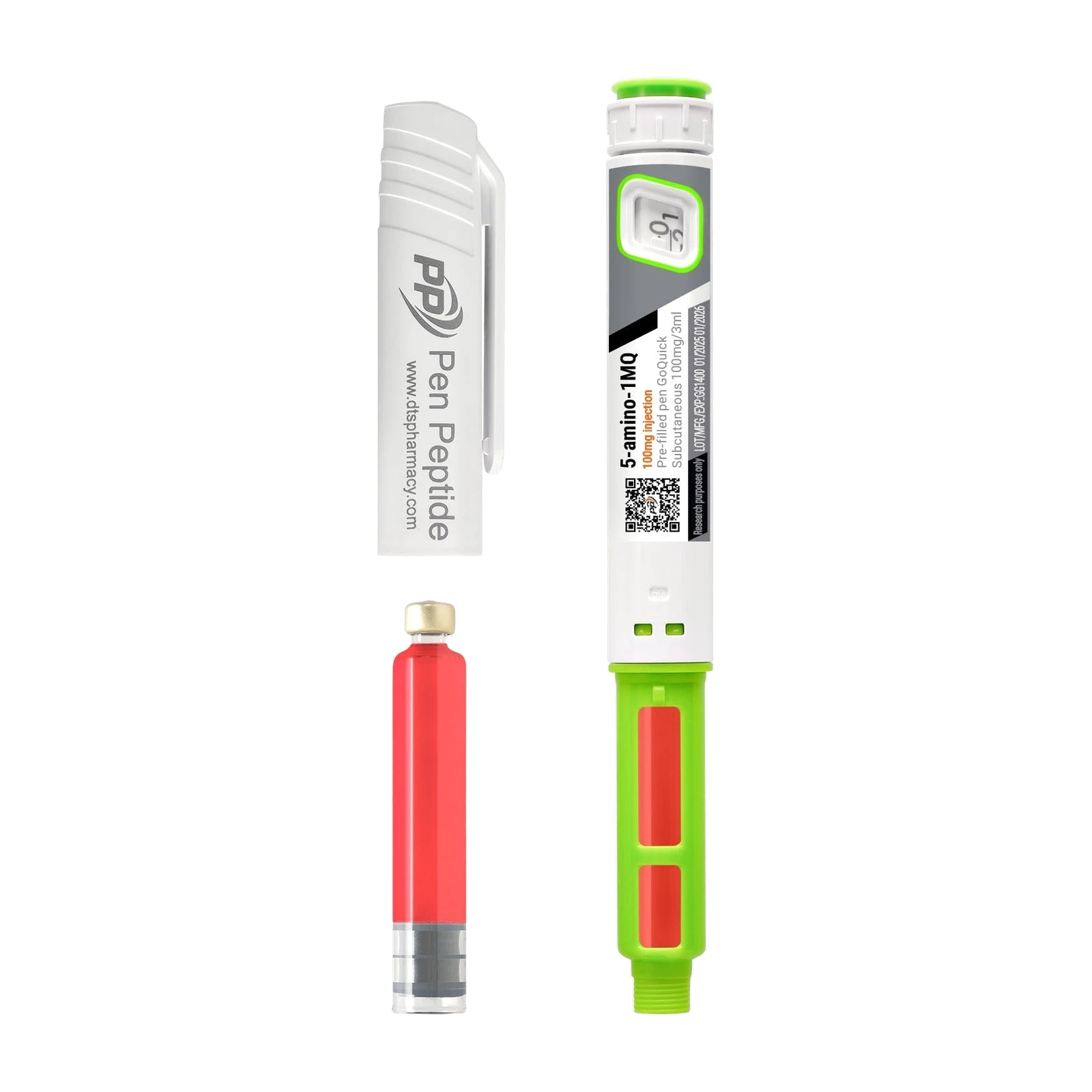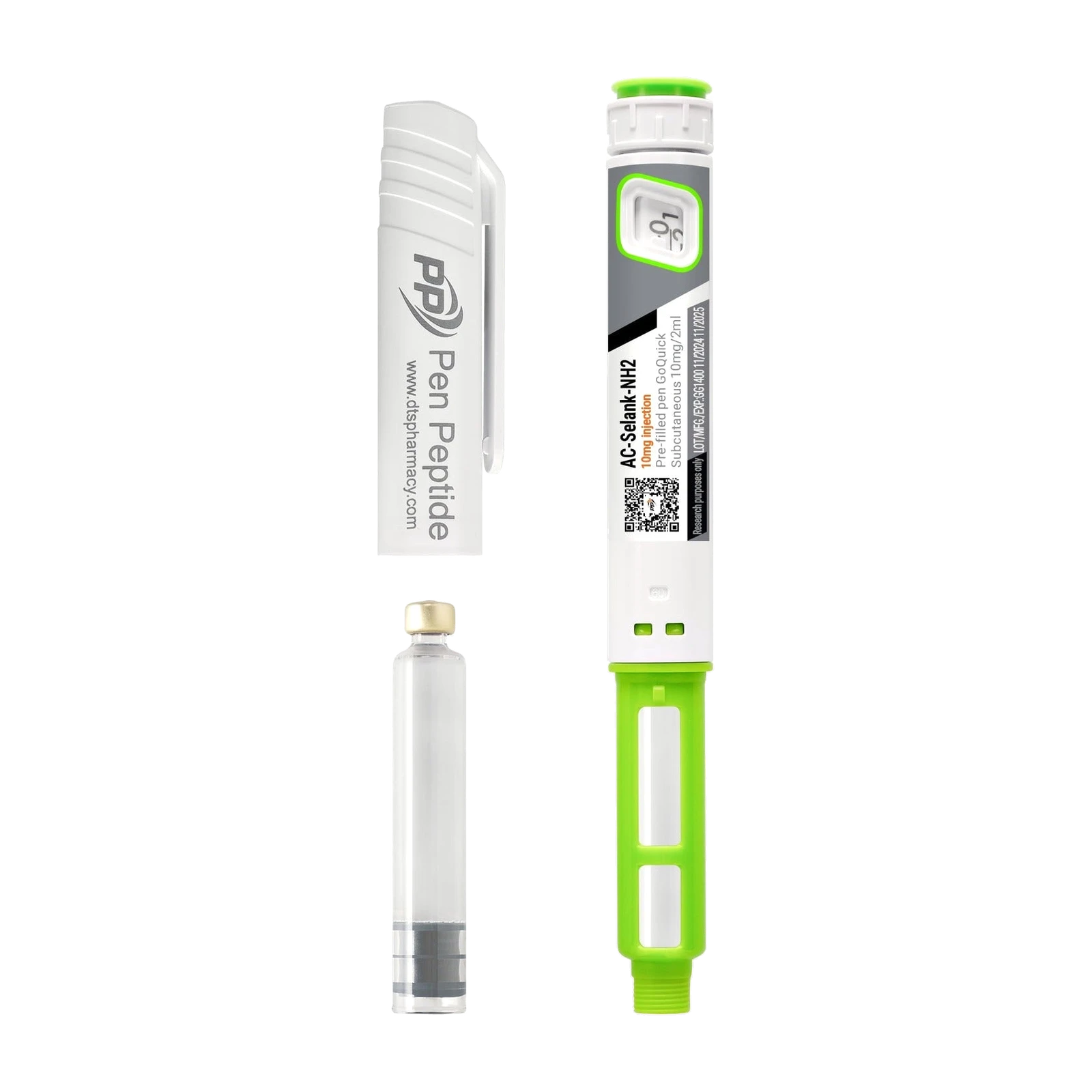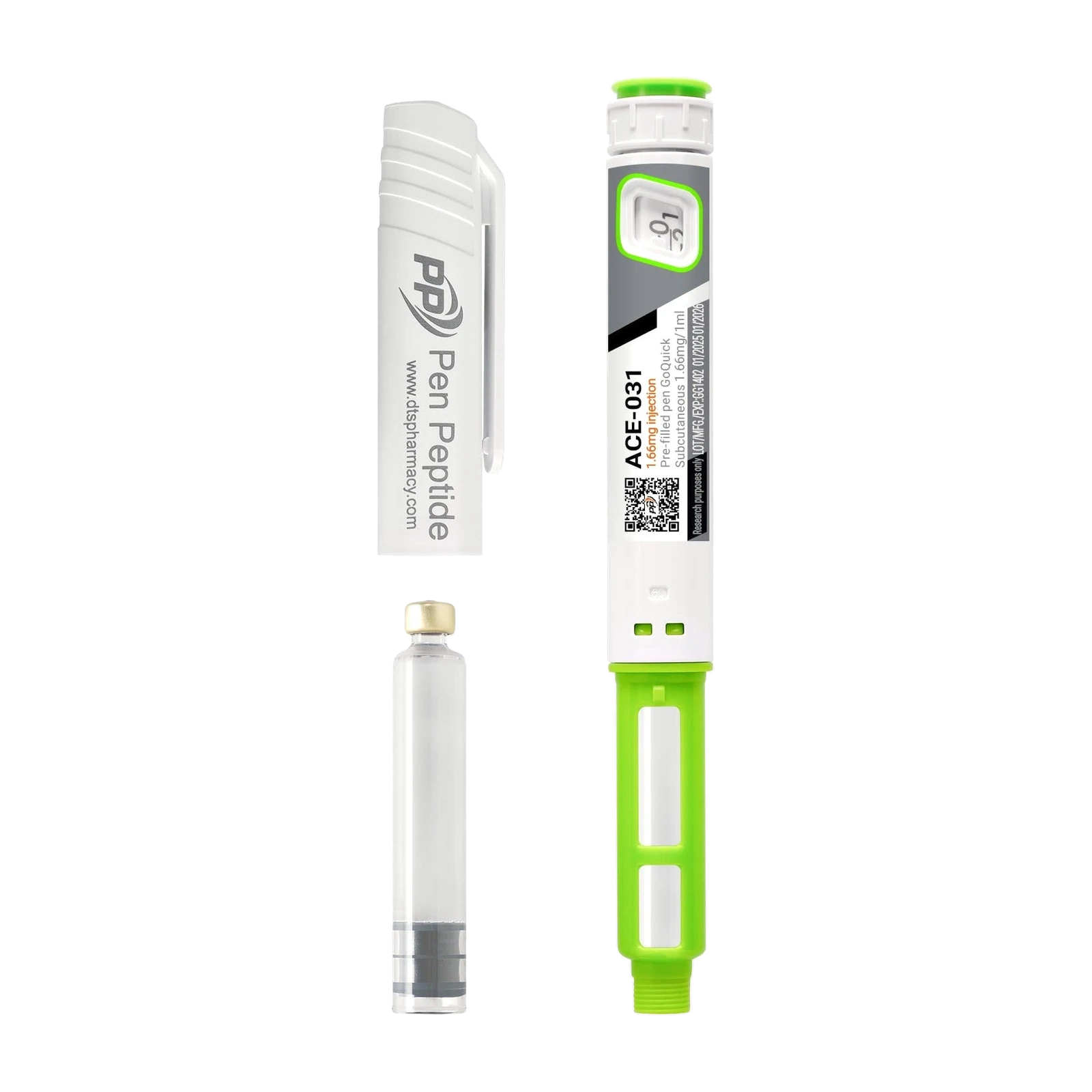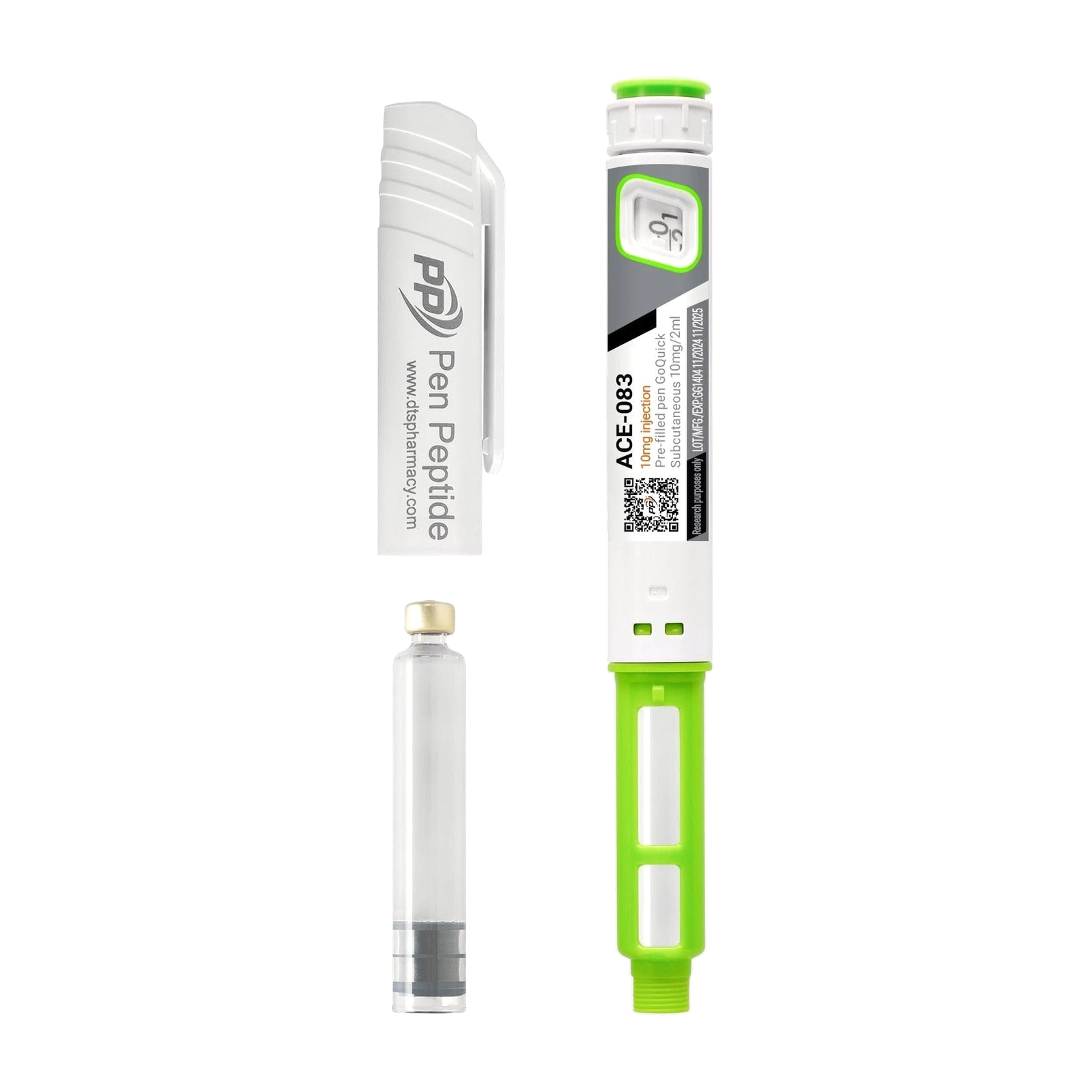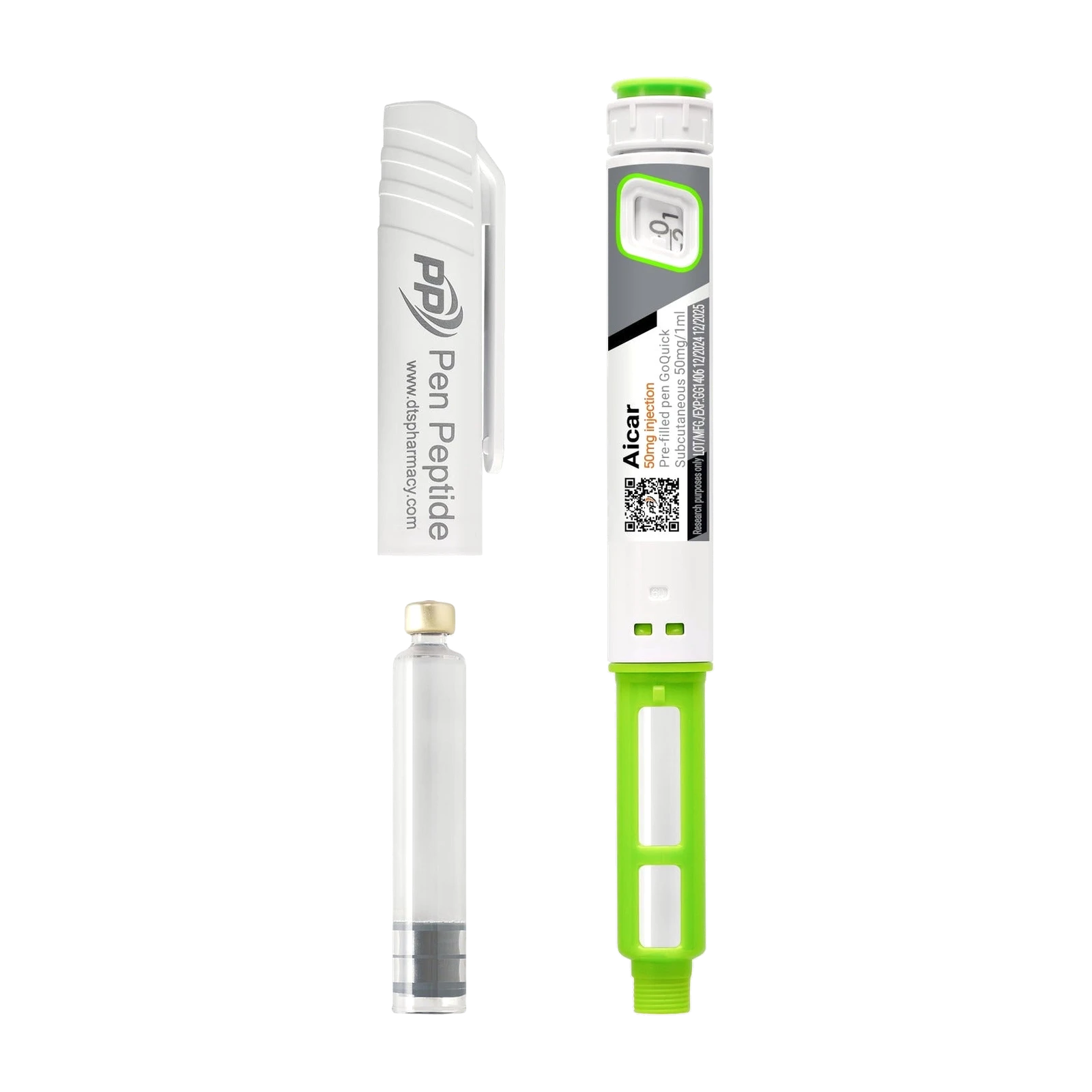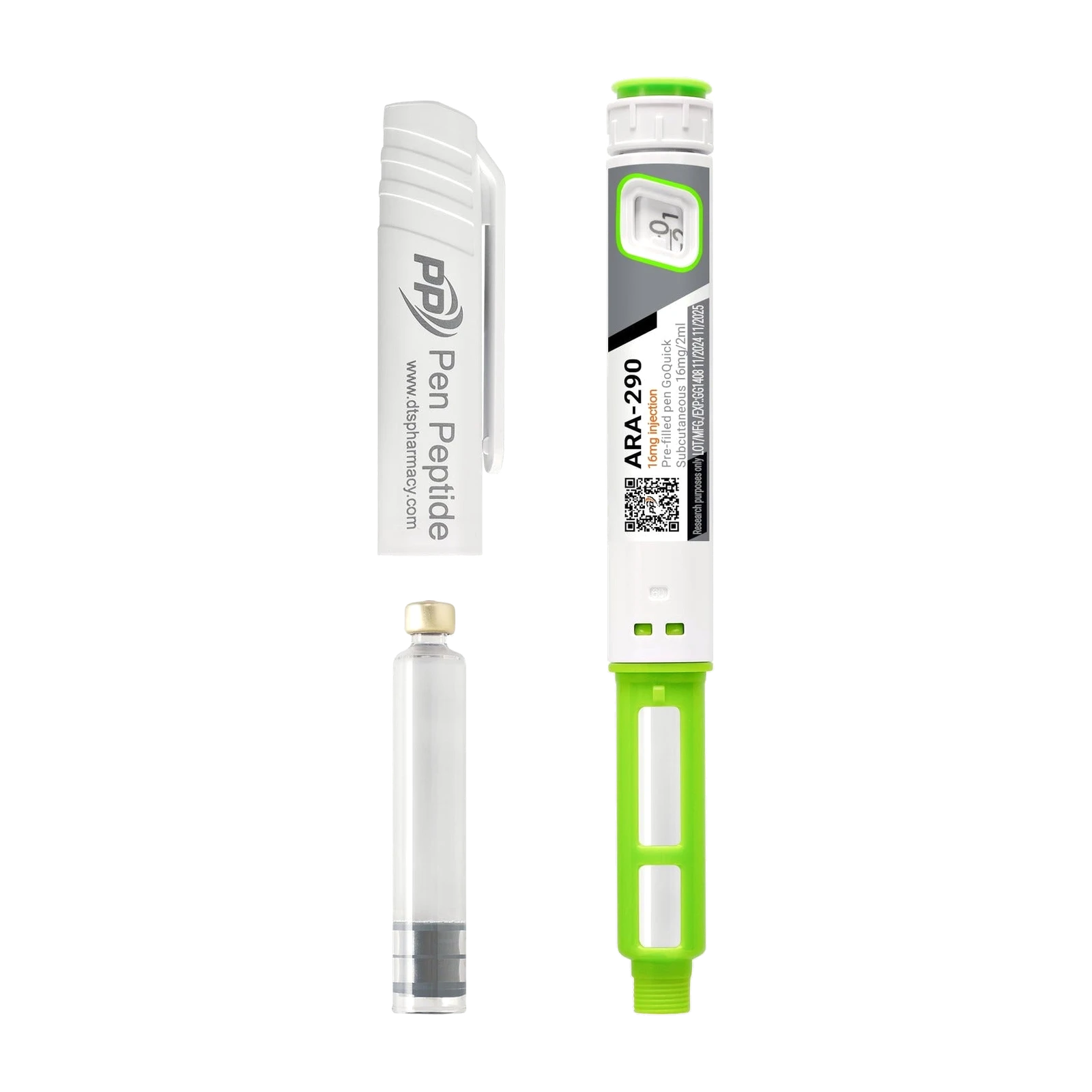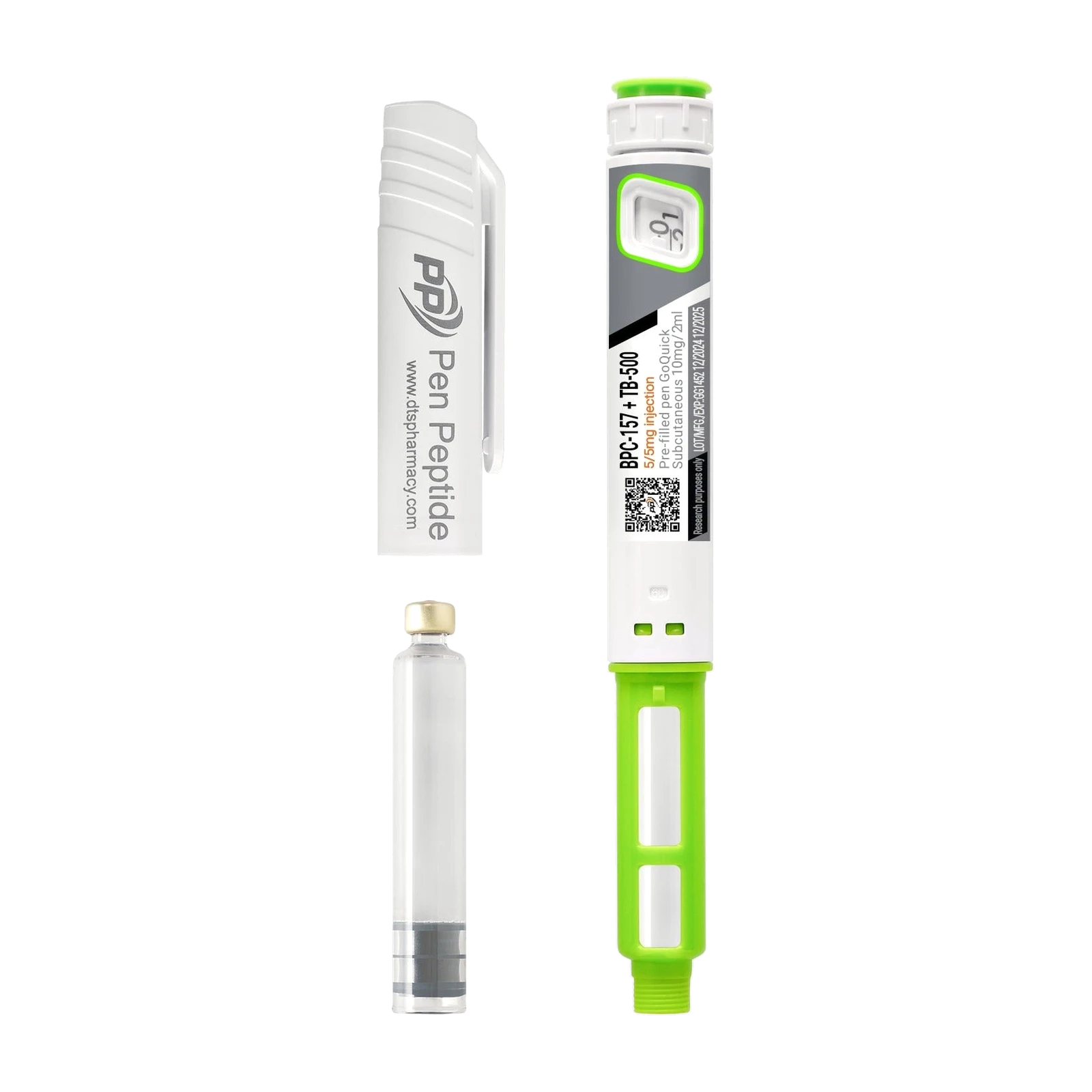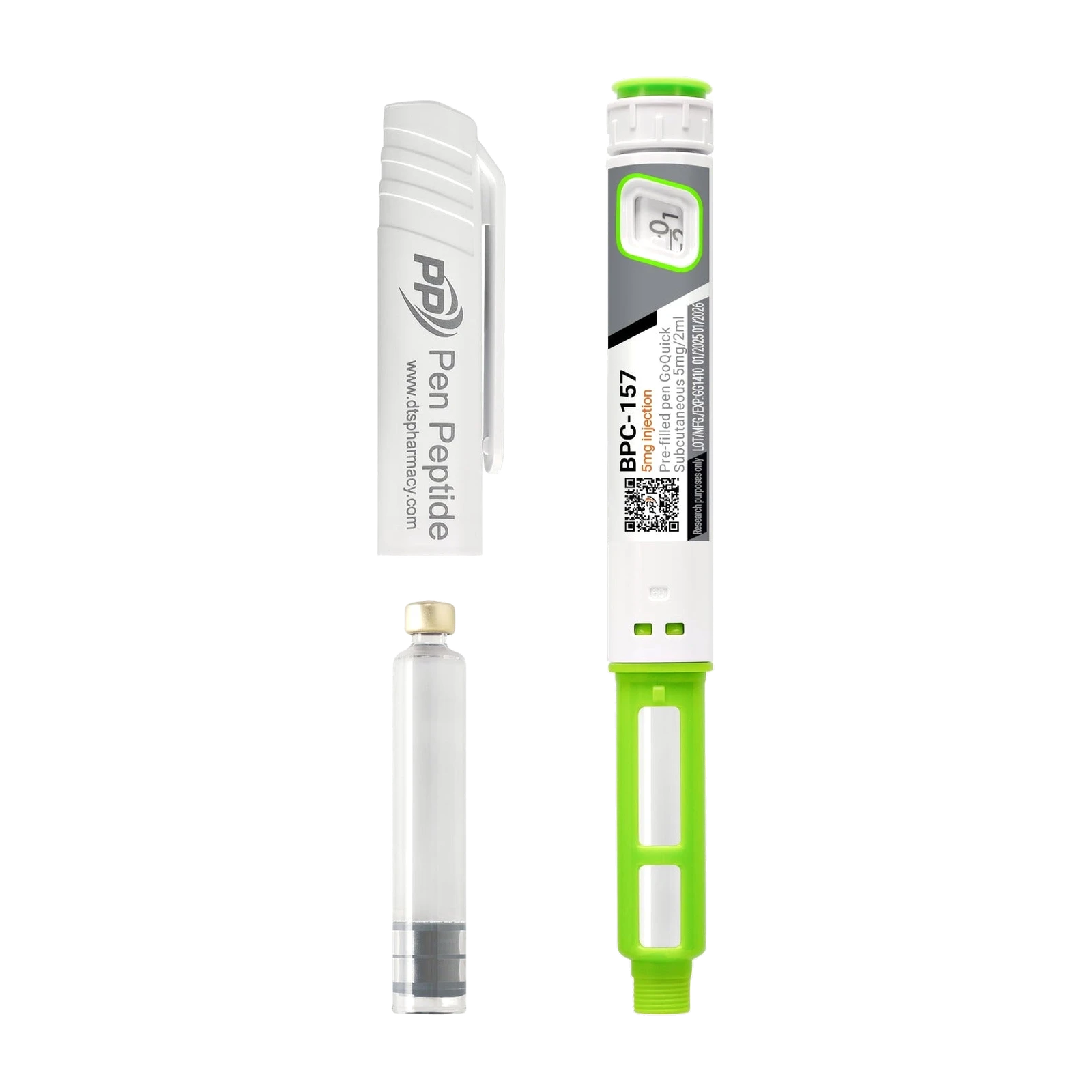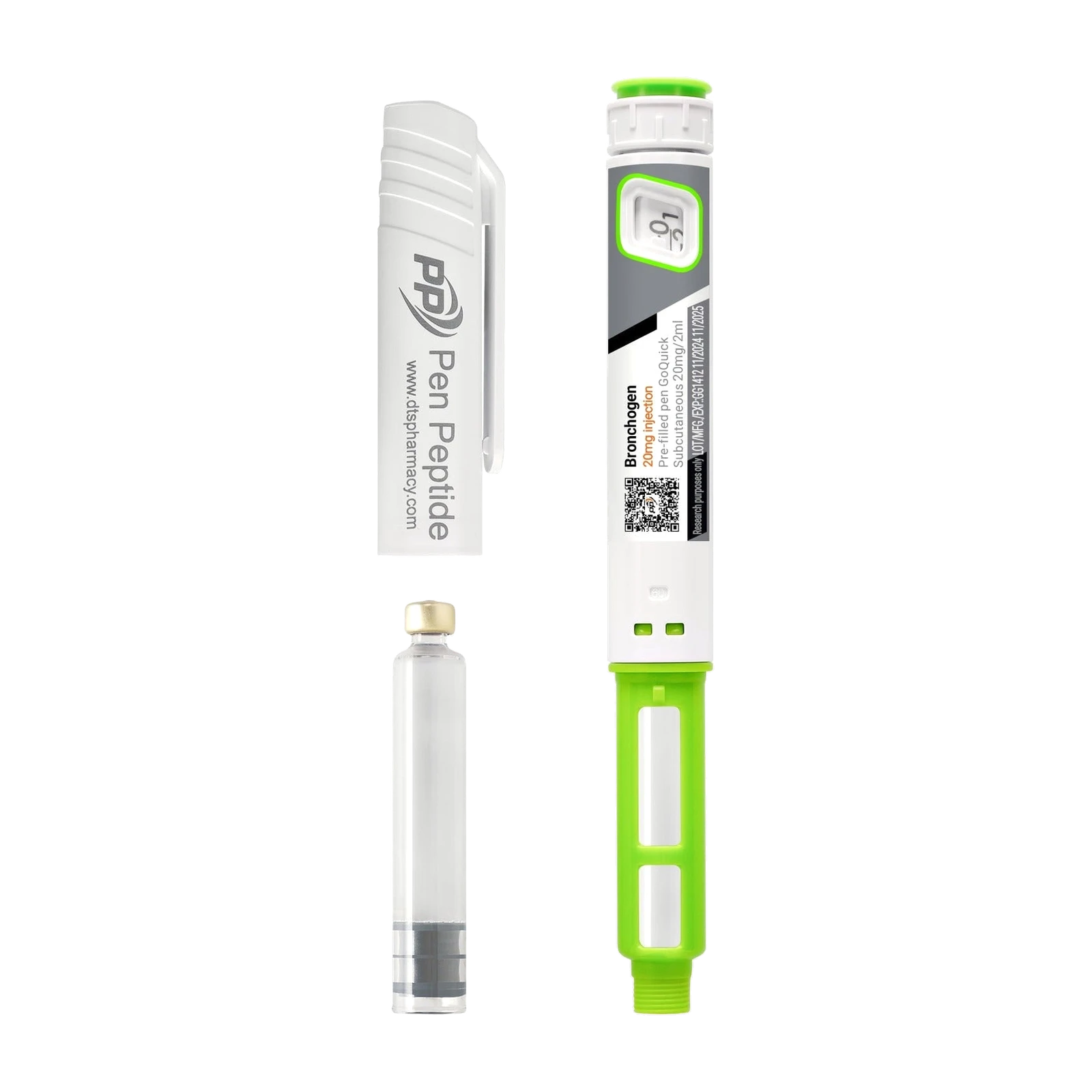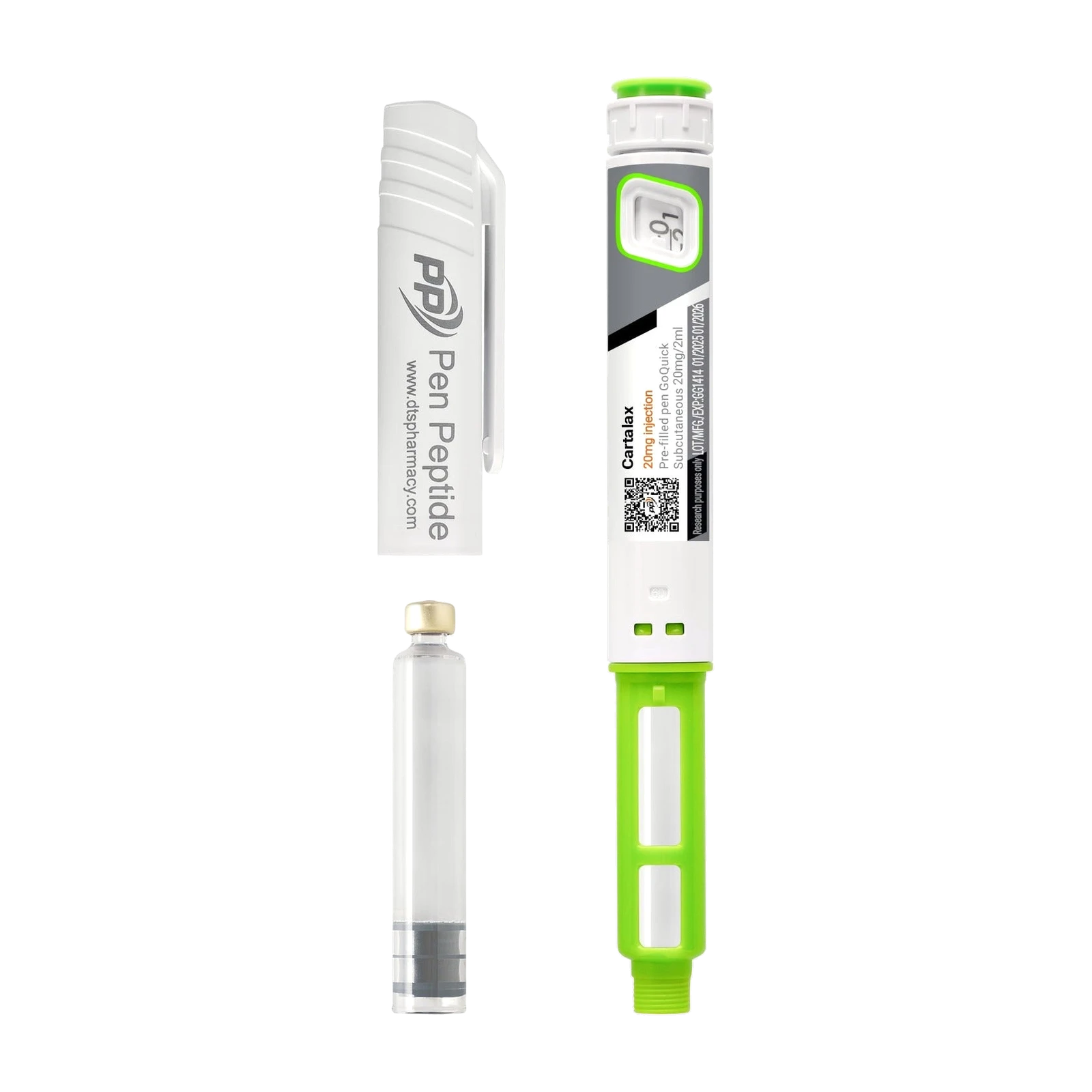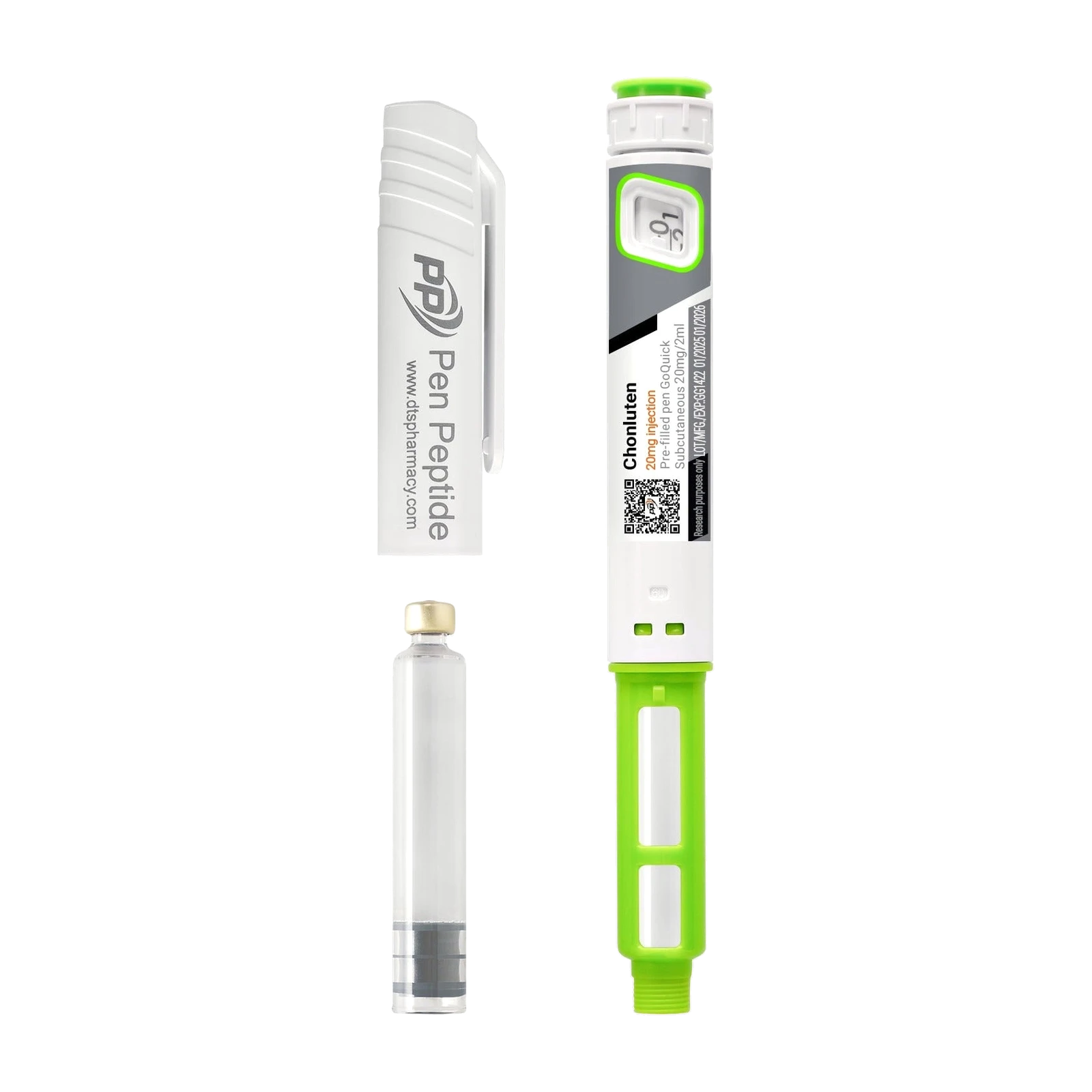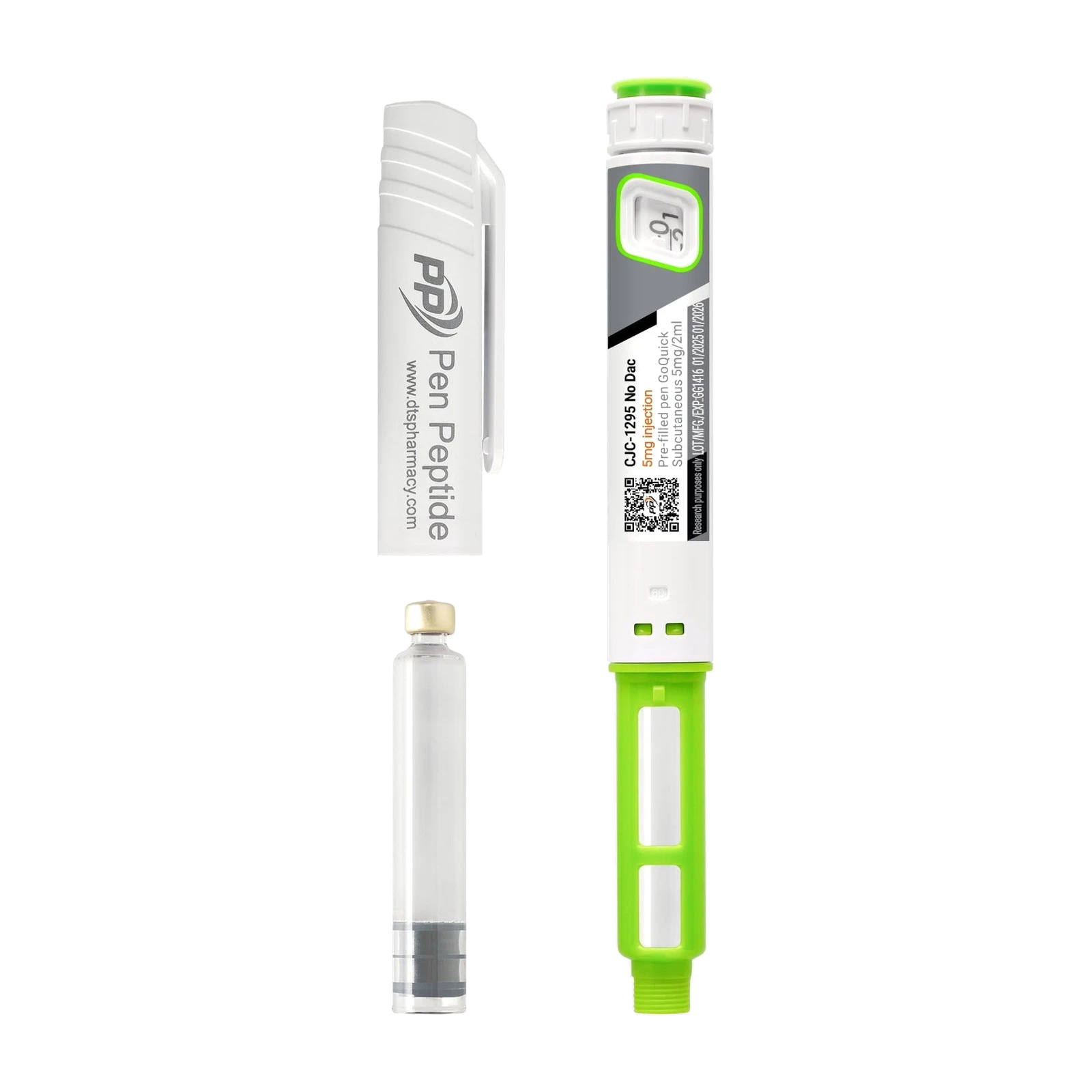
Pre-Filled Pen
Research use onlyCurcumin 200mg / 3mL
VAT included. Shipping calculated at checkout.
In stock
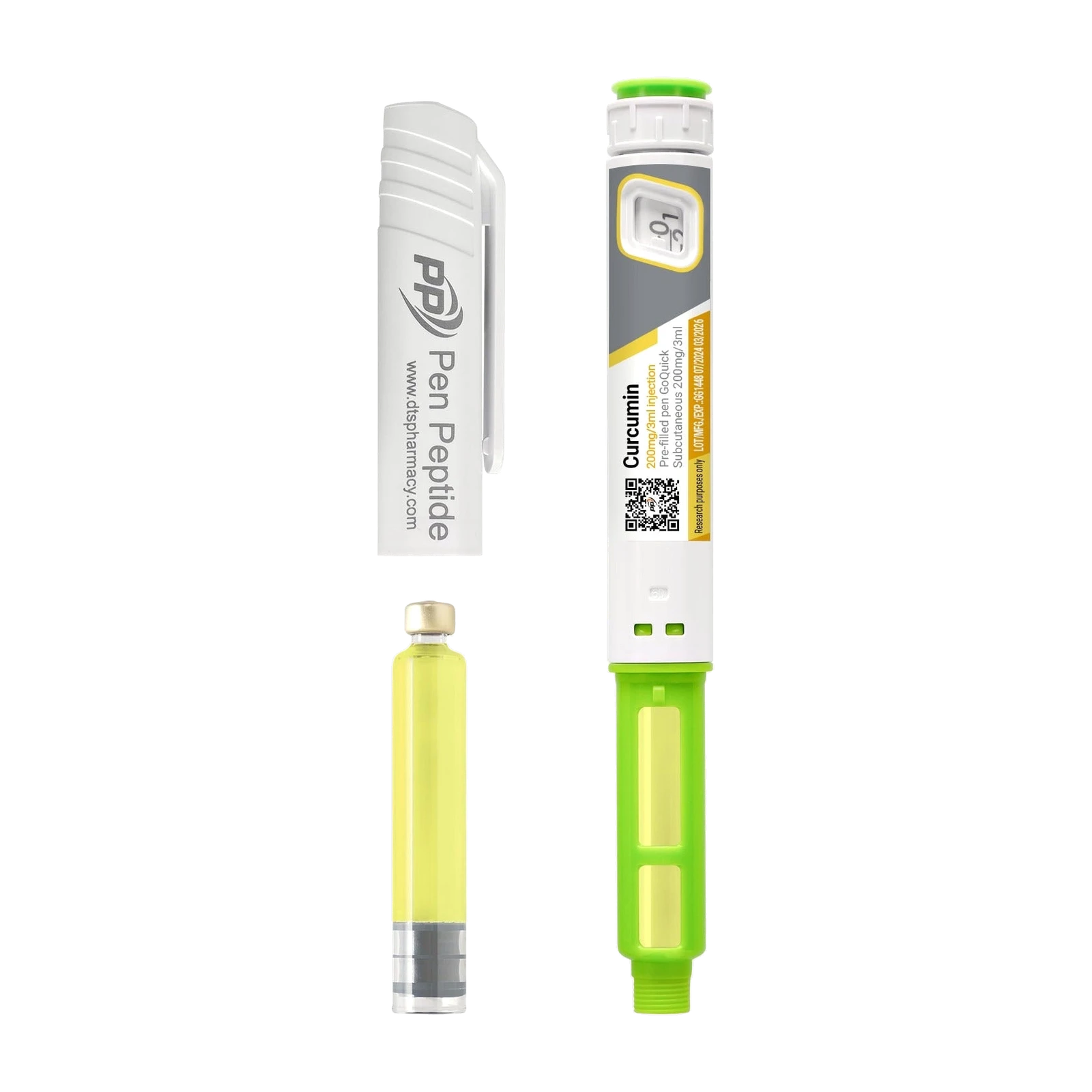
- ≥99% purity
- HPLC & LC-MS analysed
- Stabilised formula
- The world's first brand of peptides in a pen
Secure delivery
Secure delivery with FedEx within 1–2 business days after payment confirmation
Payment methods
- Bank transfer
What is the Curcumin Pen?
Curcumin | 3 ml Pre-Mixed Pen is a highly concentrated, biologically active formula containing 200 mg of curcumin in a pre-mixed pen developed for scientific purposes. Each pen provides 300 units × 666 micrograms, and each dose can be precisely measured and administered with maximum accuracy.
The formula was specifically developed to overcome the limitations of traditional oral forms of curcumin, which suffer from poor absorption, rapid metabolism and instability in the systemic circulation. The stabilised pen form and exact dosing achieve high systemic bioavailability.
What makes the Curcumin Pen unique?
Curcumin, the active polyphenolic component of Curcuma longa, has been the subject of thousands of scientific investigations because of its broad profile of effects. In a stabilised formula with controlled application, it shows potential effects on:
- Regulation of chronic inflammation (via modulation of NF-κB, COX-2 and TNF-α);
- Reduction of oxidative stress (activation of the Nrf2 signalling pathway and antioxidant enzymes);
- Support for cellular health and repair mechanisms;
- Immunomodulation and protection against metabolic dysfunction.
Biochemical properties and mechanism of action:
Anti-inflammatory activity
Curcumin inhibits key inflammatory mediators such as NF-κB, IL-6, TNF-α and COX-2, which makes it particularly valuable for research on chronic inflammatory conditions, including autoimmune diseases and neurodegenerative processes.
Antioxidant regulation
As a powerful neutraliser of free radicals, curcumin activates the Nrf2 signalling pathway and stimulates the production of glutathione, superoxide dismutase and catalase, key enzymes for maintaining cellular homeostasis and resistance to oxidative stress.
Epigenetic and cytoprotective effects
Studies show that curcumin modulates the expression of genes associated with apoptosis, proliferation and cell signalling pathways. This makes it a valuable tool for research in the fields of ageing, carcinogenesis and tissue regeneration.
Recommended dosage and course
- 1 unit = 666 micrograms
- Total amount: 300 units / 200 mg total curcumin
- Protocol: 20 units daily for 15 consecutive days, followed by a 15-day break before starting a new cycle.
Potential scientifically supported applications:
The Curcumin Pen combines stability, high absorption and precise dosing, which makes it particularly suitable for supporting the body in conditions associated with inflammation, oxidative stress and metabolic imbalance. The formula allows targeted use in the following areas:
- Chronic inflammatory conditions and autoimmune reactions: thanks to its ability to modulate key inflammatory pathways such as NF-κB and COX-2, as well as cytokines such as TNF-α and IL-6, curcumin is particularly suitable for research on systemic inflammatory processes, rheumatoid arthritis, ulcerative colitis and other autoimmune diseases.
- Oxidative stress and antioxidant response: the Curcumin Pen can be used to study the effects of Nrf2 activation and the induction of endogenous antioxidant enzymes such as superoxide dismutase (SOD), catalase and glutathione peroxidase, in order to assess cellular resilience to oxidative damage.
- Metabolic disorders and insulin sensitivity: studies show that curcumin can have a positive effect on metabolic markers such as glucose tolerance, insulin resistance and lipid profile, which makes it valuable for research related to obesity, type 2 diabetes and metabolic syndrome.
- Neuroprotection and cognitive function: because of its ability to cross the blood-brain barrier, curcumin is the focus of studies on neurodegenerative diseases such as Alzheimer's and Parkinson's. It shows potential for reducing neuroinflammatory processes and supporting neurotrophic factors such as BDNF.
- Cellular ageing and epigenetic regulation: curcumin modulates the expression of genes associated with ageing processes and cell proliferation, among other things by inhibiting HDAC and DNMT enzymes. These effects make it relevant to studies on epigenetic mechanisms that regulate cellular youthfulness and longevity.